What Are the Top Types of Long Glasses in 2026?
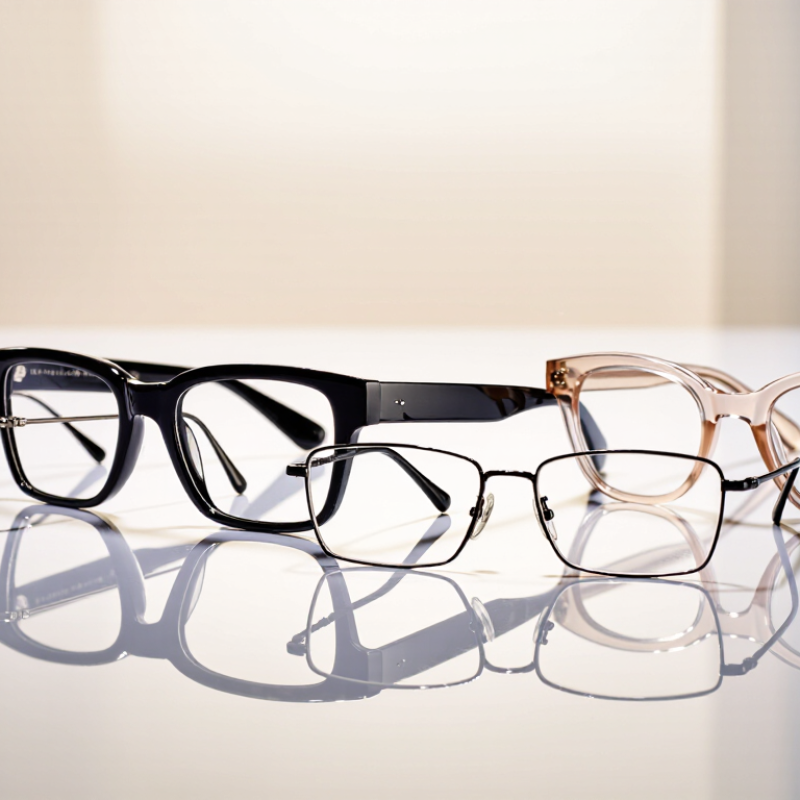
Long Glasses usually describes frames with a noticeably wider, horizontal shape, though the term can include several distinct styles. In 2026, shoppers may encounter slim rectangular frames, oversized designs, rimless options, and softly rounded silhouettes with elongated proportions. Each creates a different look. A narrow frame can feel crisp and understated, while a broad acetate frame may add visible weight around the eyes. These descriptions are useful starting points, not strict rules.
This guide explores the top types of Long Glasses and the details that distinguish them, including frame shape, materials, lens options, and everyday comfort. It also considers practical fit: the frames should sit securely on the nose, stay level, and avoid pressing at the temples. Small details matter. A frame that looks balanced in a product photo may feel heavy after several hours of reading or screen use. That is easy to overlook.
Style forecasts can be uncertain, and popularity alone cannot tell you whether a pair suits your face or prescription. The best choice depends on personal taste, intended use, and a proper fit. If you need prescription lenses or have specific vision concerns, check details with a qualified eye-care professional. The sections ahead offer a clear comparison of popular long-frame styles, helping readers weigh appearance against comfort before choosing.
How Long Glasses Are Classified by Shape, Height, and Capacity
Long glasses are best classified by silhouette, height, and usable capacity—not by name alone. A highball is usually straight-sided and compact, while a Collins glass is taller and narrower. A practical retail-spec range is about 12–16 cm high for highballs and 15–20 cm for Collins glasses. Typical capacities run from roughly 240–350 ml and 300–450 ml, respectively. These are working ranges, not universal standards; product dimensions vary, and “long drink” labels can overlap.
For a useful technical reference, ISO 3591:1977 specifies a 215 ml tasting glass, with defined dimensions for sensory evaluation. It is not a long-glass standard, but it shows why capacity and shape should be recorded separately. In real service, a narrow glass can look generous while holding less than expected. I still find category labels a little messy. Measure the inside fill line, not just the brim.
Tips: Check height against shelf clearance, then compare capacity at the intended fill level. For layered drinks, a straight wall helps show distinct bands; for ice-heavy serves, allow extra room above the liquid. Record dimensions in millimetres and capacity in millilitres so comparisons stay clear.
Highball and Collins Glasses for Mixed Drinks
Highball and Collins glasses are practical choices for mixed drinks served over ice. Both have tall sides that leave room for chilled soda, citrus, and a long garnish. Their shapes look similar, but a Collins glass is often taller and narrower, while a highball glass tends to be a little shorter and broader. Designs vary, so capacity and proportions matter more than the label.
For drinks with plenty of bubbles, a narrower glass can help keep the surface area modest and the presentation tidy. A highball’s broader opening makes stirring and adding larger ice pieces easier. In practice, clear, solid ice chills a drink while limiting dilution, though small cubes work well when a recipe calls for faster cooling. That matters. A sturdy base also feels more secure on a busy table, while thin glass can make the drink appear elegant but may need gentler handling.
For a simple test, fill the glass with ice, then add the mixer slowly and check whether there is room to stir without spilling. Leave a little space at the rim. A citrus peel or slim cucumber ribbon should sit comfortably, not crowd the drink. I still find that glass choice can be more fussy than expected; the right shape depends on the recipe, the ice, and the hand holding it. Keep it simple.
How Materials and Design Vary Across Long Glass Types in 2026
Long glasses differ not only by height, but by how their materials shape weight, clarity, and everyday handling. A straight-sided highball often uses clear soda-lime glass, with enough room for ice and a visible band of citrus. Collins glasses are usually taller and narrower, helping preserve a layered look. The distinction can seem small on a shelf. In the hand, it matters.
Material changes the feel. Soda-lime glass is common and practical, though thin walls may chip if handled roughly. Borosilicate glass is often lighter and handles temperature changes better, but its delicate feel is not ideal for every busy kitchen. Lead-free crystal offers sharp clarity and a finer rim; it can also cost more and needs careful cleaning. Check care instructions, since dishwasher suitability varies by product.
Design details carry their own trade-offs in 2026. A thick base adds visual weight and can make a tall glass feel steadier, while a narrow base saves space but may wobble on uneven tables. Textured sides improve grip and catch light, yet can make residue harder to spot. A tapered pilsner shape highlights foam, whereas a simple iced-tea glass suits drinks with large ice cubes. Looks are only part of the choice. The best fit depends on storage, cleaning habits, and how the glass feels when full.
How to Match a Long Glass to Its Drink and Setting
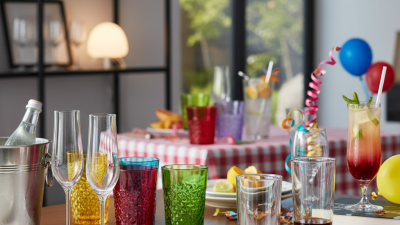
A highball glass works well for sparkling drinks with plenty of ice. Its straight sides leave room for bubbles and make garnishes easy to see. A Collins glass is taller and often narrower, so it suits layered, refreshing serves with soda. The difference can feel subtle, but the extra height changes how a drink looks in the hand. For crushed ice or fruit-forward drinks, a curved hurricane glass offers more room and a relaxed, festive feel. Looks matter too.
Match the glass to both the recipe and the setting. At a casual patio table, a sturdy highball is easy to carry and less likely to tip than a very tall, narrow glass. For a quiet dinner, a slim cooler glass can make a simple citrus-and-soda drink feel more considered. Check the rim and weight: thin glass feels elegant, while a thicker base is practical on crowded tables. Not every pour fits. Ice size, garnish, and serving volume can change the best choice, so treat glass styles as useful guides, not strict rules. I still find that the most beautiful glass is sometimes awkward to hold.

 +86 13438161196
 CONTACT NUMBER
 CONTACT NUMBER