How Can Glass Packaging Benefit Your Business?
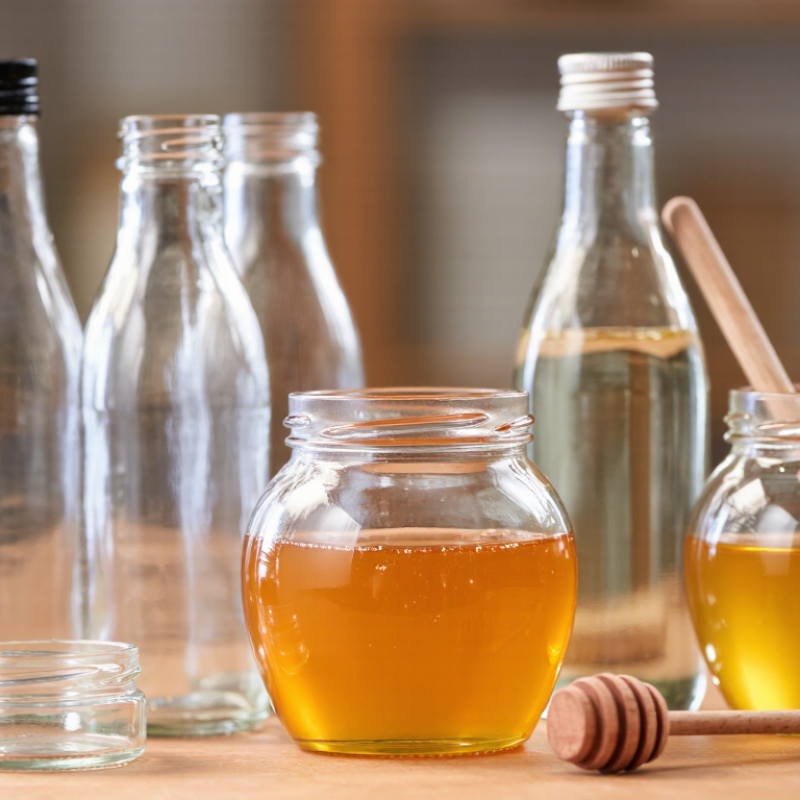
Packaging is more than a container: it protects a product, shapes how customers perceive it, and affects handling from warehouse to checkout. Can Glass packaging benefit your business? It can, especially when product quality and a distinctive shelf presence matter. Glass is nonporous and helps preserve the taste and aroma of many foods and beverages. Its clear surface can also make color and texture part of the product’s appeal. Picture a jar of golden honey or a bottle with a clean, well-finished label. Those details can support a brand story without extra packaging.
There are trade-offs. Glass is heavier than many alternatives, so shipping and handling costs may rise. A dropped bottle can break, creating product loss and additional cleanup. Reuse and recycling can be advantages, but their real value depends on local collection systems, return logistics, and the number of times a container is reused. Details matter. A small producer shipping long distances may face different costs than a nearby refill shop. Businesses should compare container prices, transport, breakage rates, storage needs, and customer expectations before changing formats. Supplier specifications and practical packaging trials can help, though a short test may not reveal every problem. Glass is not automatically the right choice. Still, when its protective qualities, appearance, and end-of-life options fit the product and supply chain, it can be a durable part of a thoughtful packaging strategy.
What Glass Packaging Is and How Businesses Use It
Glass packaging means containers made from formed glass, including jars, bottles, and small vials. Businesses use them for foods, drinks, cosmetics, and household products. Glass holds its shape and does not easily absorb odors, helping a product retain its intended smell and taste. A clear jar also lets shoppers see the contents.
A small food producer might fill clean glass bottles with sauce, cap them, apply labels, and pack them in protective cartons. A skincare business could use a narrow-neck bottle for serum or a wide jar for cream. The choice affects more than appearance. Teams need to consider filling equipment, closure fit, shelf space, shipping weight, and how easily customers can open the package. Small details matter.
Glass can be recycled where suitable collection systems exist, but access and sorting quality vary. It is also heavier and more breakable than many alternatives, so shipping costs and protective packing need real-world testing. That part is easy to underestimate. A few filled samples sent through normal handling can expose weak points before a larger order. For a shop shipping weekly, carton size and breakage rates may matter more than shelf appeal.
How Glass Packaging Protects Product Quality and Safety
Glass packaging helps protect product quality because it forms a stable barrier against moisture and oxygen. The Glass Packaging Institute describes glass as nonporous and resistant to interaction with its contents. That matters for foods, drinks, and personal-care products whose flavor, aroma, or formula can change after exposure. A clear bottle also lets staff inspect color and visible particles quickly. For light-sensitive contents, amber or opaque glass may offer better protection.
Protection still depends on the whole package. A poor closure can leak, and a chipped rim can compromise a seal. Glass can also break during handling, so packaging design and inspection matter. The European Container Glass Federation’s 2022 report put Europe’s glass-packaging recycling rate at 80.1% for 2020. This is a useful sign of established recovery systems, not proof that every container is recycled or safe. Not automatically.
For businesses, glass can help keep a product’s original characteristics intact without adding flavor or odor. Specify suitable closures, test packages under realistic storage and transport conditions, and check for damage before filling. One honest trade-off: glass is heavier than many alternatives, which can increase shipping costs and handling demands. The best choice depends on the product, route, and protection it needs.
How Can Glass Packaging Benefit Your Business? — How Glass Packaging Protects Product Quality and Safety
| Packaging Property |
How It Helps Protect Products |
Practical Consideration |
| Strong barrier to gases and moisture |
Glass is highly impermeable to oxygen, carbon dioxide, and water vapor, helping preserve product composition and limit exposure to external moisture. |
The closure is also important: the seal and cap or lid must be suitable for the product and packaging process. |
| Generally chemically inert surface |
Glass does not readily react with most foods and beverages, helping reduce unwanted interaction between the container and its contents. |
Compatibility should be assessed for the specific formulation, especially for products with unusual acidity or chemical properties. |
| No material odor or flavor transfer |
Glass does not contribute its own taste or smell under normal intended use, helping maintain the product’s original sensory characteristics. |
Product quality can still be affected by the closure, processing conditions, or storage environment. |
| Available in light-protective colors |
Amber and other colored glass can reduce exposure to some wavelengths of light, helping protect light-sensitive contents. |
Clear glass provides little protection from light. The required color and level of protection depend on the product. |
| Suitable for many heat-processing applications |
Some glass containers can withstand filling or processing with heat, supporting established preservation and sterilization methods. |
Heat resistance depends on the container design, glass type, temperature, and rate of temperature change. Follow validated process specifications. |
| Visible product and container contents |
Transparent glass allows visual inspection of the contents, which can help customers and handlers identify visible changes or foreign material. |
Visibility is not a substitute for food-safety controls, inspection procedures, or appropriate storage. |
| Breakable material |
Glass can provide a durable, rigid package when correctly designed and handled. |
Glass can break if dropped or subjected to impact or thermal shock. Packaging design, handling, and transport protection should account for this risk. |
How Glass Packaging Shapes Brand Identity and Customer Appeal
Glass packaging gives customers a tactile, visual impression before they try the product. A clear jar reveals color and texture; a heavier bottle can suggest care and permanence. These cues help shape brand identity on a crowded shelf. Glass is also nonporous, so it can help protect a product’s taste and aroma when the closure is properly matched. The effect is not automatic. A poorly designed label or awkward-to-hold bottle can weaken the experience.
Sustainability claims need careful wording. Trivium Packaging’s 2023 Global Buying Green Report found that 82% of surveyed consumers were willing to pay more for sustainable packaging. That finding covers packaging broadly, not glass alone. The Glass Packaging Institute notes that glass can be recycled repeatedly without losing material quality, but local collection access and recycling rates vary. Customers may notice both the package and the gap between a claim and what they can actually recycle. That matters.
Tips: Match the glass color, shape, and finish to the product’s personality. Test how the bottle feels in one hand and looks under store lighting. Keep recycling guidance specific to the customer’s location. A small detail, like a smooth shoulder or a clearly readable label, can make the package feel considered.
How Glass Packaging Supports Reuse and Recycling Goals
Glass packaging can support reuse when containers are designed for repeated handling, not just a single trip.
A sturdy jar or bottle can return to a filling site, be inspected, washed, and refilled. For businesses, this can reduce demand for new containers where return routes and cleaning systems already exist. The details matter: container shape, local collection, transport distance, and washing capacity all affect whether reuse works in practice.
A return system is not automatically efficient. Empty glass still has to travel.
For recycling, glass has a practical advantage: it can be remelted into new containers.
FEVE, the European Container Glass Federation, reported that
80.1% of glass packaging in Europe was collected for recycling in 2022.
That figure reflects collection, not a guarantee that every container becomes new packaging. Sorting quality and access to processing facilities still matter. The U.S. Environmental Protection Agency’s 2018 materials report also documents glass container recycling, showing why local recycling data is worth checking before setting business targets.
Glass is not a perfect circular solution. But clear return instructions, compatible container designs, and nearby recovery systems can make reuse and recycling more achievable.
What Businesses Should Consider Before Choosing Glass Packaging
How Can Glass Packaging Benefit Your Business?
What Businesses Should Consider Before Choosing Glass Packaging
Glass can protect flavor and aroma with a strong barrier against moisture and gases. It also gives customers a clear view of the product and can feel substantial in the hand. But a polished bottle is not automatically a better packaging system. Glass is heavy, and breakage can complicate storage, shipping, and handling. Check whether your filling line, closures, cases, and pallet setup can accommodate it before changing formats.
The U.S. Environmental Protection Agency’s 2018 Facts and Figures report estimated that 31.3% of glass containers were recycled in the United States. That figure is a dated national snapshot, not a guarantee for your market. Local collection access matters. So do transport distances and whether customers can return or recycle containers conveniently. A glass format may suit premium products, but added freight weight and protective materials can affect costs and environmental performance.
Tips: Test a small production run. Ship sample cases through your usual routes, then inspect for chips, breakage, and leaks. Ask local waste providers what glass they accept, and compare total costs per saleable unit—not just the empty container price. Small details matter. A carton that looks sturdy in the warehouse may fail after a rough delivery.

 +86 13438161196
 CONTACT NUMBER
 CONTACT NUMBER