+86 13438161196


Choosing reliable Long Drinking Glasses suppliers in China requires more than comparing polished catalogs. This guide introduces a practical shortlist of ten manufacturers and evaluates the details that matter during real purchasing decisions. These include glass clarity, wall thickness, base stability, rim finishing, capacity options, and production consistency.
The research considers supplier experience, factory capabilities, export records, and customization support. A suitable supplier should explain its materials clearly and provide current product specifications. It should also support samples before large orders. Small details matter. A glass that feels balanced in the hand can improve a restaurant’s service experience. Strong carton dividers can reduce breakage during long-distance transportation.
The comparison also reviews minimum order quantities, lead times, packaging methods, and communication quality. Where available, buyers should request food-contact documentation, inspection reports, and evidence of quality-control procedures. These records help confirm reliability, but they should still be checked independently. A supplier’s website is only one source.
No ranking is perfect. Supplier performance may change with market conditions, staffing, or order volume. A factory that handles standard tumblers well may struggle with complex shapes or printed designs. Therefore, this list should support further evaluation rather than replace it. Readers can use the information to compare quotations, request samples, and identify suppliers that match their market, budget, and quality expectations. Practical verification remains essential.
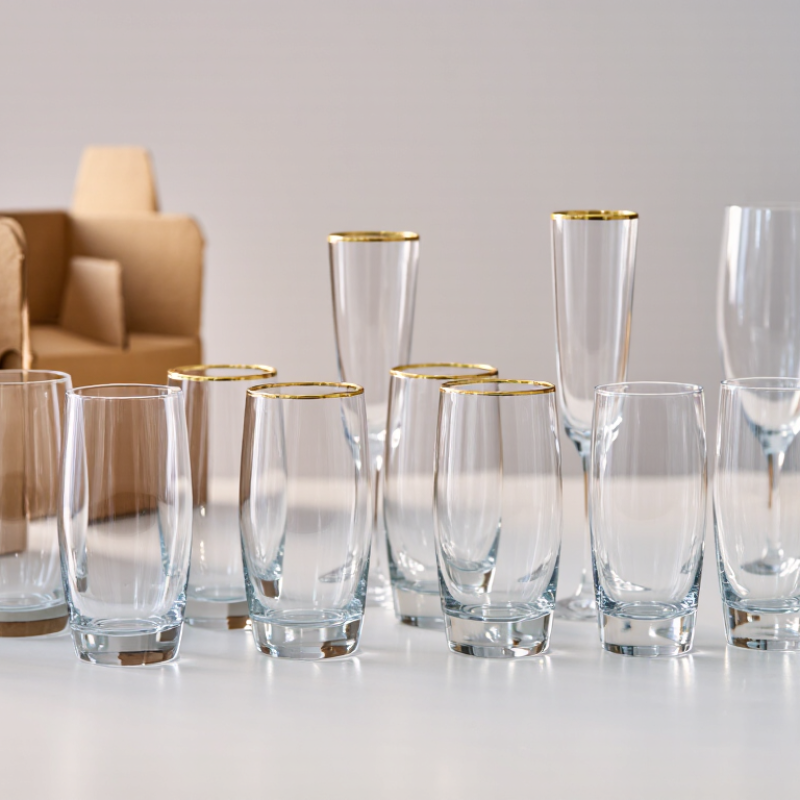
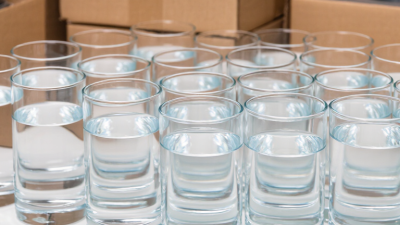
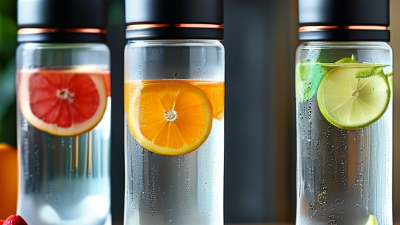
Long drinking glasses are tall, narrow vessels designed for beverages served with ice, mixers, or generous portions. They usually hold 250–500 milliliters and are often called highball or tall tumblers. Their height leaves room for ice cubes, citrus slices, mint, and sparkling water without immediate overflow.
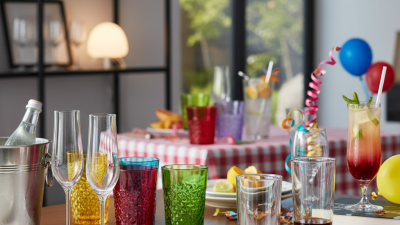
Their shape also affects drinking comfort. A narrower opening can help preserve carbonation, while a weighted base improves stability on busy tables. Common uses include iced tea, lemonade, fruit juice, water, soft drinks, and mixed beverages. In restaurants, the same glass may serve several drinks, reducing storage complexity. Not always.
Market data supports their broad relevance. Fortune Business Insights estimated the global glass tableware market at about US$10.72 billion in 2023, with continued growth projected through 2032. Grand View Research reports a similar expansion trend, although market boundaries differ between studies. That variation matters; “glass tableware” includes more than drinking glasses.
Manufacturers and buyers should examine capacity, wall thickness, rim quality, dishwasher resistance, and breakage rates rather than rely on appearance alone. Soda-lime glass remains common because it balances clarity, cost, and production efficiency. Borosilicate glass offers better thermal resistance but may cost more. A tall glass looks simple, yet small design choices influence safety, transport, and daily usability.
China Top 10 Long Drinking Glasses Suppliers?
How to Evaluate Long Drinking Glass Suppliers in China
Evaluating long drinking glass suppliers requires more than comparing catalog photos. I inspect the glass wall, rim, base, and surface clarity on physical samples. A tall glass should stand firmly without wobbling on a flat table. Measure its height, diameter, capacity, and weight against the supplier’s specification. Small differences can affect filling lines, storage cartons, and shipping costs.
Ask whether the supplier controls raw materials and melting conditions internally. Request food-contact test reports from an independent laboratory, including checks for lead and cadmium migration. Review factory audit records, production capacity, inspection procedures, and traceability documents. Reliable suppliers should explain how they handle cracks, bubbles, uneven rims, and color differences. Their answers should be specific, not simply “good quality.”
Packaging needs practical testing. Drop-test packed cartons, then inspect the glass corners and rims. Ask for photos of pallet loading and confirm carton thickness before placing a large order. Communication also matters; delayed replies may become delayed corrective action. I once focused too heavily on appearance and overlooked carton compression strength. That mistake was expensive. A factory visit, video inspection, and small trial order provide stronger evidence than promises. Still, no evaluation is perfect. Seasonal workloads, staff changes, and transport conditions can expose weaknesses later. Keep written specifications, approval samples, and inspection records for every shipment.
Anonymized supplier benchmark for evaluating long drinking glass manufacturers and exporters in China
| Supplier Profile | Typical Product Focus | Common Glass Material | Typical Capacity Range | Standard MOQ Range | Typical Production Lead Time | Customization Options | Quality and Compliance Documents | Export Capability | Recommended Evaluation Score |
|---|---|---|---|---|---|---|---|---|---|
| Supplier Profile 01 | Highball tumblers Straight-sided glasses |
Soda-lime glass; clear and colored options | 250–500 ml | 1,000–3,000 pieces | 25–35 days after artwork approval | Decal printing, screen printing, logo etching, custom cartons | Food-contact declaration, material specification, pre-shipment inspection report | Experienced export packaging and container loading | 8.8 / 10 |
| Supplier Profile 02 | Tall iced-tea glasses Stackable drinkware |
Tempered soda-lime glass | 300–600 ml | 2,000–5,000 pieces | 30–40 days | Heat-transfer decoration, embossed patterns, customized separators | Tempering test records, carton drop-test records, inspection checklist | Suitable for retail and hospitality shipments | 8.6 / 10 |
| Supplier Profile 03 | Ribbed highball glasses Textured tumblers |
Clear soda-lime glass; flint glass options | 280–550 ml | 1,500–4,000 pieces | 30–45 days | Mold changes, colored coating, frosting, private-label packaging | Product specification sheet, coating test results, batch inspection records | Good capability for mixed-color and mixed-carton orders | 8.4 / 10 |
| Supplier Profile 04 | Cocktail glasses Barware sets |
Lead-free crystal glass and soda-lime glass | 350–700 ml | 500–2,000 pieces | 35–50 days | Gift boxes, laser engraving, color decoration, set assembly | Lead-free material declaration, food-contact documents, AQL inspection report | Strong presentation packaging and gift-set experience | 8.3 / 10 |
| Supplier Profile 05 | Restaurant tumblers Hotel drinkware |
Fully tempered soda-lime glass | 250–450 ml | 3,000–10,000 pieces | 20–30 days for standard items | Logo printing, barcode labels, bulk packing, pallet configuration | Thermal-shock test, impact test, carton compression test | Efficient for high-volume foodservice orders | 8.2 / 10 |
| Supplier Profile 06 | Colored highball glasses Modern barware |
Coated soda-lime glass; colored glass options | 300–550 ml | 1,000–3,000 pieces | 35–45 days | Exterior coating, gradient color, metallic details, custom inserts | Coating adhesion test, dishwasher-use guidance, color consistency report | Best suited to controlled SKU programs | 8.0 / 10 |
| Supplier Profile 07 | Hand-finished tumblers Decorative glassware |
Hand-blown soda-lime glass and borosilicate options | 280–650 ml | 300–1,500 pieces | 45–60 days | Hand painting, irregular shapes, bespoke color matching, artisan finishing | Pre-production sample approval, dimensional tolerance sheet, visual inspection report | Suitable for premium and boutique quantities | 7.9 / 10 |
| Supplier Profile 08 | Borosilicate drinking glasses Lightweight glassware |
Borosilicate glass | 350–700 ml | 1,000–3,000 pieces | 30–45 days | Double-wall construction, silicone sleeves, lids, printed packaging | Thermal-shock information, food-contact declaration, leak and fit checks | Suitable for online retail and direct-to-consumer packaging | 7.8 / 10 |
| Supplier Profile 09 | Recycled-content glassware Eco-oriented tumblers |
Recycled soda-lime glass; color variation possible | 250–500 ml | 2,000–5,000 pieces | 35–50 days | Recycled-content declaration, kraft packaging, simple logo decoration | Recycled-content documentation, batch color records, packaging specification | Requires clear acceptance standards for color variation | 7.7 / 10 |
| Supplier Profile 10 | Promotional drinkware Event and catering glasses |
Standard soda-lime glass | 200–450 ml | 5,000–20,000 pieces | 20–35 days | One-color printing, event packaging, barcode labels, bulk cartons | Basic food-contact documentation, pre-shipment inspection, packing list | Competitive for large promotional campaigns | 7.6 / 10 |
Evaluation factors include glass safety, dimensional consistency, decoration durability, MOQ flexibility, lead time, packaging performance, documentation quality, customization capability, and export experience. Confirm all specifications, certifications, test reports, pricing, and production capacity directly before placing an order.
China Top 10 Long Drinking Glasses Suppliers?
This profile-based review examines ten Chinese suppliers of long drinking glasses. The selection considers production experience, glass quality, customization, and export reliability.
Supplier One focuses on tall highball glasses for hotels and restaurants. Its strength is stable wall thickness and practical carton protection.
Supplier Two offers borosilicate glass, which suits cold drinks and moderate temperature changes.
Supplier Three specializes in hand-finished rims. Small variations may appear, but many buyers value that personal character.
Supplier Four produces clear soda-lime glasses in larger volumes. It fits standard retail programs and cost-sensitive projects.
Supplier Five develops printed and embossed designs for hospitality use. Buyers should test decoration durability after repeated washing.
Supplier Six provides stackable glasses that save storage space behind busy bars. Its mold design deserves careful checking because tiny edges can affect stacking.
Supplier Seven works mainly with custom shapes, including narrow iced-tea glasses and wide cocktail tumblers. Custom tooling can improve appearance, but it may increase lead time.
Supplier Eight emphasizes recycled glass content. The environmental claim still requires documentation, not attractive wording alone.
Supplier Nine combines machine production with manual inspection. This approach may reduce visible defects, although inspection standards must be written clearly.
Supplier Ten supports smaller orders and sample revisions. That flexibility helps new importers, but production capacity may be limited during peak seasons.
Reliable evaluation should include factory videos, sample measurements, packaging tests, and recent quality records. Ask about rim smoothness, glass stress, dishwasher performance, and breakage rates. One weakness remains common: online profiles can look more complete than factory evidence. On-site audits or independent inspections are worth considering.
China’s top 10 long drinking glass suppliers should be compared beyond catalog photos. In sourcing projects, I inspect wall thickness, rim finishing, clarity, and base stability. A reliable supplier provides food-contact test reports and consistent annealing records. Poor annealing may create hidden stress and later breakage.
Quality needs evidence.
Customization can include height, diameter, color, embossing, printing, and gift packaging. Ask for a physical sample before approving mass production. Mold charges and minimum order quantities can change the real budget quickly. Some suppliers accept flexible designs, while others prefer existing molds. That difference affects both timing and appearance. Custom logos also need clear artwork files and color references.
Prices should include tooling, cartons, inner protection, inspection, and shipping terms. The lowest quotation is rarely the lowest final cost. I have seen attractive offers become expensive after reinforced packaging was added. Service quality matters during this stage. Compare response speed, sample revisions, production updates, defect handling, and replacement policies. A supplier offering pre-shipment inspection may reduce unpleasant surprises. However, my own comparison is not perfect; sample quality can exceed routine production. Request random production pieces, not only the best samples. Clear contracts, written specifications, and recorded approvals make the comparison more dependable.
Selecting among China’s top long drinking glass suppliers requires more than comparing catalog photos.
A tall glass may look elegant online but feel unstable on a real table. Define the required height, rim diameter, capacity, wall thickness, and base width before contacting factories. For daily use, ask whether the glass is soda-lime or borosilicate, and request technical data for heat resistance. Small details matter.
A reliable supplier should provide recent factory photos, production capacity, inspection records, and clear answers about lead times.
Request samples from the same production line, not only showroom pieces. Check each sample for cloudy areas, uneven rims, scratches, trapped bubbles, and wobbling bases. Measure the dimensions yourself. A digital caliper and kitchen scale can reveal differences that photographs hide. Ask how workers control annealing, because internal stress can cause unexpected breakage.
Do not judge quality from one perfect sample.
It can be misleading. In purchasing work, I have learned that communication speed is useful, but written accuracy matters more. Confirm packaging tests, carton strength, pallet loading, replacement terms, and acceptable defect limits. The supplier should explain how inspection results are recorded before shipment.
Request a small trial order when possible. It may cost more per unit, yet it exposes packing weakness, color variation, and delivery delays before a large commitment. A supplier that welcomes precise questions is usually easier to manage, although confidence should still be supported by documents and repeated checks.