+86 13438161196


Global buyers are rethinking how they source Cups Glassware. Price still matters, but it no longer tells the whole story. Freight distance, breakage rates, food-contact documentation, customization, and replenishment capacity can change the final cost dramatically. A beautiful tumbler is not automatically a reliable business product.
Recent market studies point to steady expansion. Fortune Business Insights and Grand View Research both identify glass tableware as a growing category, supported by hospitality, household consumption, and premium beverage service. Their estimates differ, however, because definitions and regional coverage are not identical. That inconsistency deserves attention. It reminds buyers to compare methodology, not just headline figures. FEVE also reports that Europe operates more than 160 glass-container plants and supports over 50,000 direct jobs, showing the sector’s industrial depth and regional manufacturing strength. These figures focus mainly on glass packaging, but they still reveal the scale of the wider glass ecosystem.
Dale Chihuly, a widely recognized glass artist and educator, once said, “Glass is the most magical of all materials.” The beauty is real. So are the weaknesses: uneven rims, thermal shock, unclear lead-free claims, and cartons that fail during transit. This guide evaluates ten Cups Glassware suppliers through practical buyer criteria, including factory experience, quality systems, export performance, design flexibility, packaging tests, and after-sales support. Some suppliers may appear less impressive online yet perform better under repeat orders. Rankings are never permanent. A careful buyer should request samples, inspect the base and rim, test stacking, and verify current documents before signing a long-term agreement.

A reliable cups and glassware supplier proves performance before discussing price. Fortune Business Insights estimates the global glass tableware market reached about USD 15.5 billion in 2023, showing strong demand and tougher quality expectations. Buyers should request food-contact test reports, material declarations, and production samples from the same batch. Clear evidence matters more than attractive brochures.
Inspect the rim, base, and handle under bright light. Tiny bubbles may be acceptable, but sharp edges, stress lines, or uneven thickness signal weak process control.
A dependable supplier should provide batch records, inspection standards, and traceability codes. ISO 9001 certification can support process discipline, but it does not replace product testing.
Ask for thermal-shock results, especially for cups used with hot drinks.
Packaging deserves equal attention. The International Safe Transit Association emphasizes performance testing for packaged products exposed to drops, vibration, and compression. Suppliers should share carton specifications and documented drop-test results.
Production capacity also needs verification through factory audits, machine lists, and realistic lead times. A low quotation may hide fragile packaging or unstable raw materials.
I have found that polished samples can conceal inconsistent mass production. That risk deserves a second inspection.
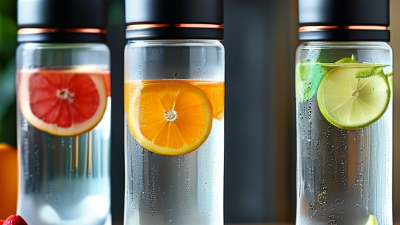
When comparing the 10 best cup and glassware suppliers for global buyers, product range deserves close attention. A useful supplier should offer different capacities, shapes, glass types, and packing options. Check whether the range suits cafés, hotels, retailers, or household customers. A broad catalogue can be misleading. Some suppliers display many designs but keep only a few items in regular production. Ask for current catalogues, sample availability, minimum order quantities, and realistic production schedules.
Quality requires more than clear glass and attractive photos. In sourcing work, I inspect rim smoothness, wall thickness, weight consistency, base stability, and surface marks. Samples should survive repeated washing and reasonable temperature changes. Request inspection records, food-contact documents, and photographs from recent production batches. Packaging also matters. Weak dividers can create costly breakage during long-distance shipping. One imperfect sample should not end the discussion, but it should trigger better questions.
Tips: Compare three samples side by side. Measure their height, diameter, weight, and capacity. Ask how defects are classified and reported. Review replacement policies before placing an order. It is also wise to test communication speed. Delayed answers may become delayed solutions. I have found that the cheapest quotation often hides thinner walls, weaker packing, or inconsistent sizing. Still, premium pricing does not guarantee perfect quality. Buyers should connect every price difference with measurable specifications and documented performance.
For global buyers, glassware quality begins with manufacturing controls, not attractive photographs. A reliable supplier should explain its glass composition, forming process, annealing cycle, and inspection criteria. Food-contact compliance is essential. Ask for current test reports covering lead, cadmium, and other restricted substances in the destination market.
Standards must match the product’s actual use. Tumbler glass for restaurants needs resistance to repeated washing, stacking pressure, and thermal shock. A supplier should provide test methods, sampling plans, and acceptable defect limits. Look for controlled dimensions, even wall thickness, smooth rims, and stable bases. Small bubbles may be cosmetic, but sharp chips are unacceptable. In supplier audits, traceability often separates a controlled factory from a careless one. Batch codes should connect finished cups to raw materials and production records.
Independent laboratory testing adds credibility, especially for large orders or new suppliers. Still, a certificate alone is not proof. Buyers should compare the report date, sample description, test standard, and production batch. Packaging deserves attention too. Dividers, drop testing, moisture protection, and pallet stability can prevent damage before the goods arrive. I have seen technically compliant glassware fail because cartons were too weak. That part is easy to overlook. Standards also need practical review. A factory may pass laboratory tests yet struggle with color consistency, replacement parts, or corrective action. Leave room for verification samples, factory visits, and honest discussion when results are imperfect.
When global buyers compare the 10 best cups glassware suppliers, price is rarely the full story. A factory quote may list $0.45 per tumbler, yet exclude packaging, mold charges, inspection, or ocean freight. Standard clear glass usually costs less than colored, borosilicate, or double-wall designs. Ask for identical specifications: capacity, rim thickness, carton strength, and delivery term. Small differences can distort comparisons. In my sourcing experience, the cheapest quote sometimes arrived with more breakage. That lesson remains expensive.
Minimum order quantities vary sharply. Stock items may start at 500 pieces, while custom shapes can require 3,000 to 10,000 units. Printed logos often have lower thresholds than new molds, but setup fees still apply. Request a paid sample before approving a large run. Check its weight, balance, logo placement, and dishwasher performance. A sample can look excellent under showroom lighting and fail during daily handling. Buyers should also confirm replacement policies for damaged cartons, not assume them.
Customization creates the widest pricing gap. Simple laser marking may add a few cents per cup. Hand-painted details, special colors, gift boxes, and unusual handles increase labor and quality-control costs. Some suppliers include artwork preparation; others charge separately. Confirm production tolerance, color references, packing method, and inspection timing in writing. I would compare two or three revised quotations, not one. My own mistake was treating “custom packaging included” as clear wording. It was not. Global buyers need transparent unit pricing and realistic lead times.
Comparative market guide based on common wholesale specifications, order quantities, customization practices, and export requirements
| Rank | Supplier Profile | Typical Production Region | Best For | Common Glassware | Indicative FOB Price / Unit | Typical MOQ | Customization Options | Lead Time | Common Buyer Checks |
|---|---|---|---|---|---|---|---|---|---|
| 1 | High-Volume Soda-Lime Factory | East Asia | Retail chains and promotional programs | Tumblers, coffee cups, beer glasses, drinking jars | US$0.35–1.20 | 3,000–10,000 pcs | Screen printing, decals, color coating, gift packaging, mold-based shapes | 30–60 days | Food-contact test reports, carton strength, breakage rate, export packing |
| 2 | Borosilicate Heat-Resistant Specialist | East Asia and Central Europe | Tea brands, cafés, and homeware importers | Double-wall cups, tea glasses, espresso cups, carafes | US$1.20–4.80 | 1,000–3,000 pcs | Logo printing, colored glass, handle changes, silicone sleeves, retail boxes | 35–70 days | Thermal-shock performance, wall thickness, rim quality, dishwasher guidance |
| 3 | Handmade Artisan Glass Workshop | Southern Europe | Boutique hospitality and premium gifting | Hand-blown tumblers, wine glasses, colored goblets | US$4.00–18.00 | 100–500 pcs | Shape adjustments, handmade color combinations, engraving, numbered collections | 45–90 days | Sample consistency, artisan capacity, replacement policy, origin documentation |
| 4 | Hospitality Tableware Producer | Europe and Türkiye | Hotels, restaurants, caterers, and bars | Stackable tumblers, wine glasses, beer glasses, decanters | US$0.70–5.50 | 500–2,000 pcs | Logo etching, reinforced rims, stackable bases, hospitality cartons | 30–60 days | Impact resistance, stacking efficiency, replacement availability, washing instructions |
| 5 | Private-Label Drinkware Integrator | East and Southeast Asia | Online retailers and emerging consumer brands | Water bottles, mason-style jars, mugs, cocktail glasses | US$0.80–6.00 | 300–2,000 pcs | Branding, custom inserts, barcodes, labels, bundles, mixed-SKU programs | 35–75 days | Packaging artwork approval, barcode accuracy, product liability documents |
| 6 | Recycled-Glass Sustainability Supplier | Europe and North Africa | Eco-conscious retailers and hospitality groups | Tumblers, bottles, carafes, candle vessels | US$1.00–6.50 | 500–2,500 pcs | Custom colors, debossing, paper packaging, recycled-content declarations | 40–80 days | Recycled-content percentage, food-contact compliance, color variation, sustainability claims |
| 7 | Decorative and Promotional Glass Supplier | South Asia and East Asia | Events, beverage promotions, and corporate gifts | Logo cups, novelty mugs, printed jars, shot glasses | US$0.45–3.50 | 1,000–5,000 pcs | Multicolor printing, decals, laser engraving, seasonal packaging | 25–55 days | Print durability, color matching, artwork approval, packaging drop tests |
| 8 | Premium Crystal and Fine-Glass Producer | Central Europe | Luxury retail, premium bars, and gifting | Stemware, crystal tumblers, decanters, cocktail glasses | US$5.00–30.00 | 100–600 pcs | Engraving, gold or platinum decoration, gift boxes, bespoke shapes | 50–100 days | Lead-free composition where applicable, optical clarity, decoration durability, insurance |
| 9 | Small-Batch Custom Mold Manufacturer | East Asia | Start-ups and distinctive product concepts | Branded mugs, sculptural cups, specialty jars, barware | US$1.50–10.00 | 500–3,000 pcs | New molds, prototypes, embossed logos, custom colors, structural modifications | 60–120 days | Mold ownership, prototype approval, dimensional tolerances, tooling charges |
| 10 | Stock-Based Distributor and Consolidator | North America, Europe, and Asia | Small importers requiring mixed products | Standard tumblers, mugs, jars, stemware, drink bottles | US$0.90–8.00 | 50–500 pcs per style | Limited logo decoration, relabeling, mixed cartons, assorted color selections | 7–35 days | Available stock, country of origin, batch consistency, landed-cost calculation |
Choosing a glassware supplier requires more than comparing prices. Buyers should verify factory experience, production capacity, and quality controls. Ask for recent audit records, not attractive promises. ISO 9001 certification is useful, but it does not replace product testing. Request inspection reports for rim strength, thermal shock, dimensional accuracy, and lead or cadmium migration. These details matter when cups travel through several warehouses.
Trade data offers useful context. UN Comtrade classifies drinking glassware under HS 7013, helping buyers compare export activity by country and supplier region. The U.S. EPA’s 2022 Facts and Figures report identifies glass as 4.2% of municipal solid waste by weight. That figure reinforces the value of durable designs and responsible recycling guidance. However, sustainability claims can be vague. Buyers should request recycled-content evidence, energy data, and packaging specifications. A certificate without traceable records is only partial proof.
Tips: Order samples from different production batches. Drop-test the shipping carton, not only the cup. Check whether the supplier can replace chipped units quickly. Confirm minimum order quantities, lead times, mold ownership, and insurance terms in writing. A supplier may pass a factory audit yet fail during peak season. I have seen polished samples hide uneven rims and weak cartons. That is an uncomfortable, but important, lesson. Reliability must be tested before the first large shipment.
What should buyers check before choosing a supplier?
The chart presents a practical 100-point evaluation model for comparing glassware suppliers. Product quality and food-contact compliance receive the highest weighting, followed by production capacity, total landed cost, delivery reliability, customization, packaging, sustainability, communication, and after-sales support. Buyers should verify each item with samples, inspection reports, certifications, factory audits, and written commercial terms.