Leave Your Message

How to Choose the Best Glass Water Sets for Wholesale?

Choosing the best glass water sets for wholesale is not just a matter of appearance. Buyers must balance design, durability, packaging, and cost across every order. Searches for “Water Sets Glass” may show elegant pitchers and matching tumblers, but product photos rarely reveal glass thickness or packing quality. Those details matter when sets travel through warehouses and arrive at retail shelves.

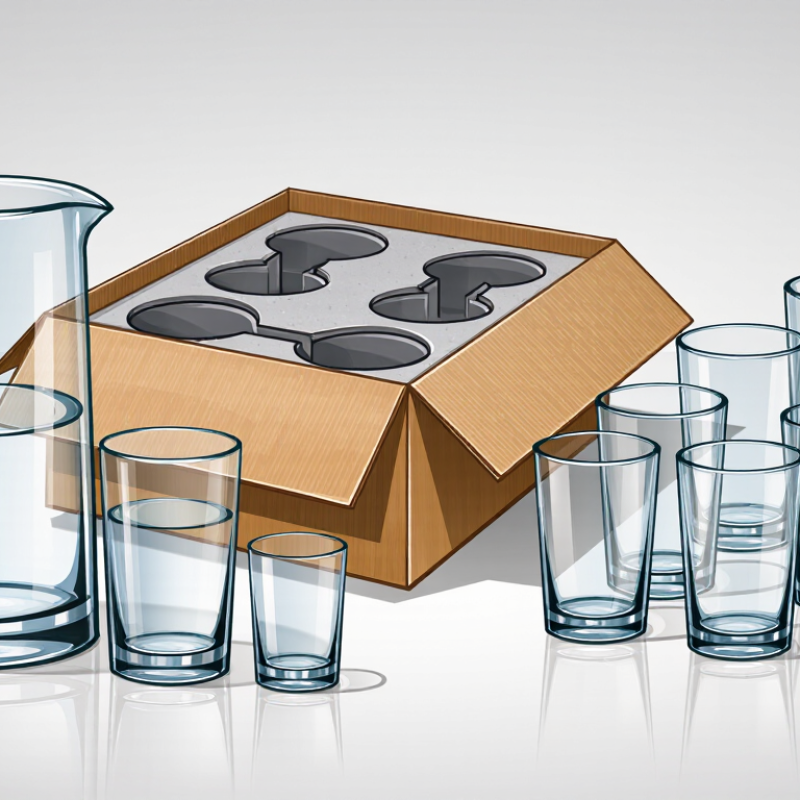
A useful comparison starts with practical specifications: pitcher capacity, tumbler volume, weight, dimensions, and glass consistency. Ask suppliers for clear product details and samples before committing to a large quantity. Inspect the rims, handles, and bases, where small flaws can affect both use and customer perception. Packaging deserves equal attention. A well-fitted inner divider can reduce movement, while a sturdy outer carton helps protect sets during shipment. Still, packaging claims should be checked against sample handling or shipping tests.

Look beyond the unit price. Minimum order quantities, lead times, replacement policies, and production consistency can change the real value of a deal. Request relevant food-contact documentation for the destination market, and confirm that specifications match the goods being quoted. Small differences add up. A set that looks premium may be too heavy for some customers, while a lighter design may feel less substantial. There is no perfect choice for every buyer, and supplier descriptions are not always complete. Careful questions, physical samples, and a realistic landed-cost comparison offer a more dependable basis for selecting wholesale glass water sets.
How to Choose the Best Glass Water Sets for Wholesale?

Define Wholesale Needs and Target Customer Requirements

Before requesting quotes, define what “wholesale” means for your operation: monthly volume, reorder rhythm, and storage limits. A hotel may need sturdy, stackable tumblers, while a gift shop may favor varied shapes and presentation-ready cartons. Write these differences down. Estimate demand using recent sales, not a hopeful launch forecast; seasonal spikes can distort a small sample. Include acceptable breakage rates and whether replacement pieces must match existing sets.

Describe target customers through observable use: serving water at family dinners, outfitting cafés, or buying housewarming gifts. Ask buyers about capacity, weight, rim feel, dishwasher use, and cupboard fit; these details can influence repeat orders. A 300-milliliter glass feels different in hand from a 450-milliliter one, even when photos look similar. Check carton dimensions and protective dividers with a sample shipment, since low unit prices can hide handling costs. Samples can mislead. Some assumptions will be wrong, so record feedback from trial customers and adjust the specification before placing a large order.

How to Choose the Best Glass Water Sets for Wholesale? — Define Wholesale Needs and Target Customer Requirements

Use these customer profiles as a starting point for product selection and order planning. Capacity and packout suggestions are practical guidelines; confirm specifications, pricing, and minimum order quantities with suppliers.

Target customer Typical use Suggested set format Useful capacities Packaging priorities Wholesale planning guide Requirements to confirm
Home and kitchen retailers Everyday water service and casual entertaining One carafe with 4–6 matching tumblers Carafe: 1.0–1.5 L; tumblers: 250–400 mL Protective dividers, clear item count, compact shelf-ready carton Consider a small trial order before committing to a larger assortment Carton dimensions, breakage allowance, replacement policy, and retail labeling
Hotels and serviced accommodation Guest-room water service and shared dining areas Stackable tumblers, with optional bedside carafes Tumblers: 250–350 mL; carafes: 500–1,000 mL Bulk cartons with sturdy separators; easy-to-reorder case packs Request samples and a repeat-order plan based on room count and replacement needs Dishwasher suitability, consistent dimensions, available spare units, and delivery schedule
Restaurants and cafés Frequent table service and repeated washing Matching tumblers; optional carafe for table service Tumblers: 300–450 mL; carafes: 750 mL–1.2 L High-density shipping cartons, simple case identification, secure dividers Prioritize replacement availability and consistent supply over decorative packaging Glass type, rim and base durability, commercial dishwasher guidance, and case quantity
Gift and department retailers Housewarming, wedding, and seasonal gifting Coordinated carafe-and-glass set, often in a gift box Carafe: 1.0–1.5 L; glasses: 250–400 mL Presentation box plus an outer shipping carton that protects glass Test gift-box durability and shelf appeal with samples before seasonal ordering Gift-box dimensions, inserts, barcode placement, and transit-test expectations
Online and marketplace sellers Direct-to-consumer sale and parcel delivery Compact 2–4 piece sets or a carafe with 2 glasses Carafe: 750 mL–1.2 L; glasses: 250–400 mL Shock-resistant internal packaging; carton suited to parcel handling Start with a test quantity and track damage, returns, and customer feedback Packed weight, shipping dimensions, product photography, and breakage/returns process
Corporate and event buyers Event gifts, conference use, and employee welcome packages Simple tumbler set or carafe-and-glass set Tumblers: 250–400 mL; carafe sets: 750 mL–1.2 L Individual gift packaging or bulk packing, depending on distribution Confirm artwork and sample approval early; allow time for production and shipping Customization method, artwork proof, lead time, packaging quantities, and delivery split

Before placing an order: Check applicable food-contact rules in the destination market, request product and packaging samples, verify carton packing details, and obtain written confirmation of lead time, order quantity, and quality-inspection criteria.

Compare Glass Types, Set Components, and Design Options

Wholesale buyers should compare glass composition before comparing price. Soda-lime glass is common and often economical, while borosilicate handles temperature changes better; exact performance depends on thickness and manufacturing. Tempered glass can offer improved impact resistance, but it is not unbreakable. The difference matters. Ask suppliers for material specifications, sample pieces, and relevant test records, then inspect rim smoothness, clarity, and how each glass feels when filled. A thin wall may look refined but can raise breakage concerns during packing and daily use. Do not assume the heaviest option is automatically the strongest. Samples reveal flaws.

A useful set might pair a one-liter carafe with four matching tumblers, while hospitality orders may need six or more. Check capacity, glass height, base width, and whether pieces stack safely; small differences affect shelf space and carton design. Optional lids, stoppers, or coasters add value, but they also add cost and packing steps. Keep the design coherent: a narrow-neck carafe pours neatly, while a wide opening is easier to clean. Clear glass suits many settings, yet subtle tint, vertical ribbing, or a textured base can help a set stand out. Looks can mislead. Test the full set in its intended carton, and compare landed cost, replacement availability, and sample quality—not appearance alone.

Evaluate Durability, Safety, and Manufacturing Quality

For wholesale buyers, durability starts with the glass itself, not its appearance in a catalog. Compare the weight, wall thickness, rim finish, and stability of each sample. A thin, uneven rim may chip during packing or daily washing. A heavier glass can feel reassuring, but weight alone proves little. Ask how the glass is tested for impact and temperature changes, and request records tied to the production batch. Check that food-contact documentation matches the markets where you plan to sell. Decorated sets need extra attention; printed finishes should remain intact after repeated washing.

Look closely at the base and rim under bright light. Small bubbles or faint seams may be acceptable, but sharp edges, cracks, and a glass that rocks on a flat counter are warning signs. Test samples in the dishwasher only if the supplier specifies that use. One sample is not a guarantee. Inspect several pieces, then compare them across cartons; color, clarity, and dimensions can vary between runs. It is easy to overvalue a flawless sample. Ask about in-process inspections, defect limits, and protective dividers in the shipping carton. A simple packing test can reveal whether glasses knock together in transit.

Assess Supplier Reliability, Pricing, and Shipping Terms

For wholesale glass water sets, supplier reliability matters as much as appearance. Ask for samples from the same production process used for your order. Check rim smoothness, glass clarity, set consistency, and whether pieces wobble on a flat table. Small details matter. Request written inspection criteria, carton specifications, and a clear process for reporting chipped or missing items. A supplier’s response to specific questions can reveal more than a polished catalog.

Compare full costs, not just the unit price. Ask whether quotes include individual packaging, export cartons, labeling, and any setup charges. Confirm the minimum order quantity and payment milestones before approving production. A low unit price can look clever on a spreadsheet, then feel costly after breakage or surprise fees. Get it in writing. Leave room for a small contingency; estimates are not guarantees, and I would not treat one supplier’s lowest quote as the safest choice.

Shipping terms should state who books freight, which charges are included, and the named delivery point. Confirm production time separately from transit time, and ask how delays will be communicated. For fragile sets, request photos of packed cartons and details about dividers, cushioning, and pallet protection. Compare at least two shipping options, including their tracking and damage-claim procedures. The cheapest route may not be the best fit when delivery dates matter. Keep every approved specification and shipping change in one written record.

Test Samples and Confirm the Bulk Order Details

Before approving a wholesale glass water set, test a physical sample under everyday conditions. Fill each glass to its stated capacity and check whether it feels balanced in the hand. Set it on a level table. Does the base wobble? Run a finger gently around the rim to spot rough edges, and inspect the glass for bubbles, scratches, or uneven thickness. Small details matter.

Test the sample after washing it several times, following the supplier’s care instructions. Compare the glass, lid, and any included accessories with your intended use. If packaging is part of the order, ask for a packed sample too. A sturdy-looking glass can still arrive poorly protected. That is easy to overlook. Record the sample’s dimensions, weight, capacity, and finish, then get written confirmation that bulk production will match those specifications.

Before confirming the order, settle the quantity, unit price, packing method, production timeline, and inspection process in writing. Ask how defects or transit damage will be handled, and clarify whether replacement samples are needed after any design change. A sample is only one production piece; it cannot guarantee every unit will be identical. That limitation deserves attention. Keep an approved sample and clear photos as references, and review a small production batch when timing allows.

How to Choose the Best Glass Water Sets for Wholesale?

Example sample inspection results (%)

Compare samples across key quality checks before confirming a bulk order. These example results illustrate how to review capacity accuracy, rim finish, leak resistance, thermal-shock performance, and packaging protection; verify each result with your own sample tests.