
+86 13438161196


Choosing Tableware Dinnerware for a business involves more than matching colors to a brand palette. It affects service speed, guest comfort, operating costs, and daily staff routines. A busy café may need lightweight plates that stack securely. An upscale restaurant may prefer heavier porcelain with a refined rim. The right decision begins with the menu, service style, table size, and washing equipment. Start there.
Material performance matters. Porcelain, stoneware, melamine, glass, and stainless steel each bring different benefits. Porcelain often offers a polished appearance and strong resistance to staining. Stoneware creates warmth but may require careful handling. Commercial-grade options should be tested for durability, heat tolerance, and repeated washing. Ask suppliers about replacement availability, product consistency, and documented food-contact safety information. Reliable vendors should explain these details clearly, not hide behind attractive photographs.
Looks can mislead.
A practical evaluation should include sample pieces used during a real service period. Check how plates feel when carried in one hand. Notice whether bowls fit the dishwasher racks. Measure storage space before ordering a complete collection. Also review breakage rates, delivery times, and minimum order quantities. A lower purchase price may become expensive when replacements arrive slowly or colors change between batches. There is no perfect set. Some businesses overvalue appearance and underestimate handling fatigue. Others choose only for price and weaken the guest experience. Thoughtful selection balances design, performance, safety, and long-term value. Your first choice may need revision after staff feedback. That is not failure; it is useful evidence.
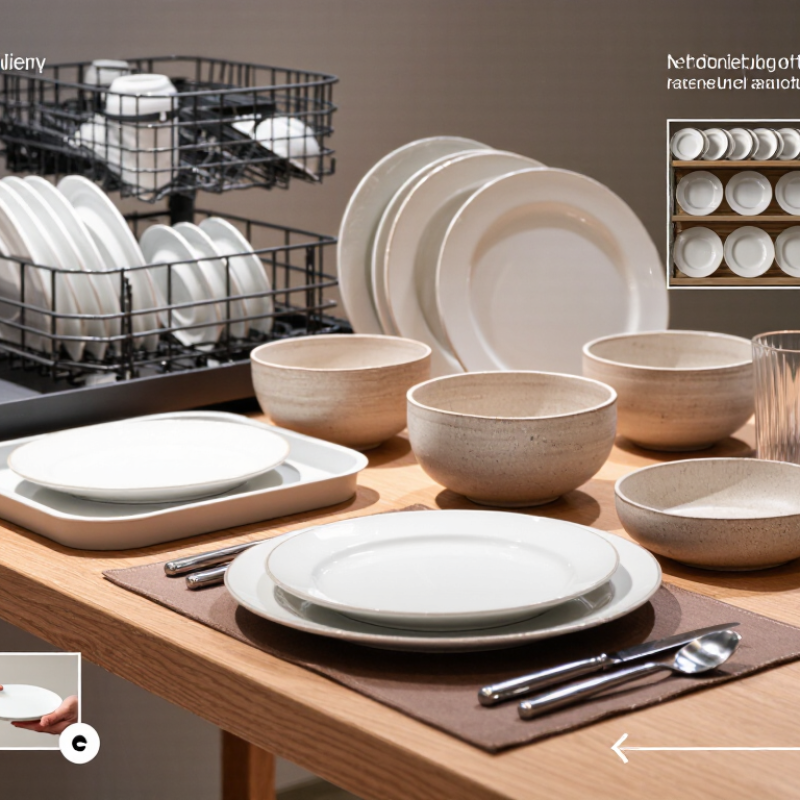
Choosing tableware starts with your business model, not a catalog. A busy café may need stackable plates, durable mugs, and quick replacement options. A fine dining restaurant may prioritize weight, shape, and presentation. Review your menu, daily covers, washing process, storage space, and budget before selecting pieces. I once chose wide plates for a compact kitchen. They looked elegant, but storage became difficult during peak service. That mistake showed me that appearance cannot replace operational planning.
Tips: Match each item to a real service task. Measure shelves and dishwashers first. Order samples before making a large purchase. Test hot, cold, wet, and greasy foods. Check whether staff can carry full settings comfortably. Keep extra pieces for breakage and unexpected demand. A practical test often reveals more than a product description.
Your service style should guide the complete setting. Self-service operations benefit from lighter, stackable dinnerware and simple shapes. Table service may require coordinated plates, bowls, cups, cutlery, and serving pieces. Consider how guests hold each item and how quickly staff clear tables. Durable materials may reduce replacement costs, but they can feel heavier or less refined. The best choice is not always perfect. It should support your menu, team, guest experience, and actual working conditions.

Choosing dinnerware for a business starts with the material, not the appearance. Porcelain offers a refined look and strong resistance to staining. Stoneware feels substantial, but its weight can increase handling costs. Tempered glass supports clear presentation and quick visual inspections. Melamine is lightweight, yet it may not suit every hot-food application.
Durability matters during busy service. Check resistance to chips, thermal shock, scratches, and repeated dishwasher cycles. Ask suppliers for test data, care instructions, and replacement availability. Look closely at rims and handles. These areas often fail first. A drop test in the warehouse may reveal more than a catalog photograph. Still, real restaurant use can be harsher than testing.
Food safety requires careful material selection and documented controls. Choose products designed for food contact and verify compliance with relevant local requirements. Request declarations, migration-test results, and temperature limits. Avoid pieces with cracked glaze, rough edges, or exposed base material. Inspect incoming shipments before placing them into service. We once accepted attractive plates without checking stacking stability; storage became inefficient and several pieces chipped. That mistake was preventable. Staff should also know which cleaners, temperatures, and utensils may damage the surface. When evidence is incomplete, pause the purchase and ask better questions. Fancy tableware is not useful if it cannot survive a crowded kitchen.
Choosing dinnerware is a branding decision, not merely a purchasing task. Plates, bowls, and glasses frame the guest’s first impression of your dining concept. A rustic ceramic surface can support a farm-to-table idea, while clean white porcelain may sharpen a modern, precise menu. The match should feel natural. Not decorative.
The National Restaurant Association’s 2024 State of the Restaurant Industry report projected more than $1 trillion in U.S. restaurant sales and 15.7 million jobs. Those figures show the scale of competition. Your tableware must therefore communicate value before the first bite. Consider the actual dining experience: a wide matte plate for sauce-heavy dishes, a deep bowl for noodles, or a sturdy tumbler for busy lunch service. Design must survive real handling, not only photography.
Color and shape also influence perceived portions and freshness. Research published in the International Journal of Hospitality Management has found that plate color can affect diners’ perception of contrast and serving size. Test samples beside your signature dishes. Some colors look elegant empty but make food appear dull. That mistake is easy to make. It is also expensive to repeat.
Choose a small test set before ordering in volume. Ask servers about grip, stacking, weight, and replacement difficulty. Ask guests what feels memorable. Their answers may challenge your concept. That is useful. A beautiful plate that slows service is not truly on-brand.
| Selection Dimension | Recommended Dinnerware Direction | How It Supports the Brand and Dining Concept | Business and Operational Considerations |
|---|---|---|---|
| Dining Format | Fine dining Casual dining Café Buffet | Fine dining generally benefits from refined silhouettes and generous negative space. Casual restaurants can use versatile shapes, while cafés and buffets need compact, stackable pieces that support faster service. | Select pieces according to table-turn speed, menu variety, storage capacity, and the amount of handling during service. |
| Design Language | Choose one dominant direction: minimalist, rustic, contemporary, classic, organic, or industrial. | A consistent profile, rim treatment, and surface finish make the dining room feel intentional and help reinforce the desired atmosphere. | Limit the core collection to a coordinated set. Too many unrelated patterns increase purchasing complexity and can make table settings look inconsistent. |
| Material |
Vitrified porcelain: refined appearance and low water absorption. Stoneware: tactile, handmade appearance and substantial weight. Melamine: lightweight and impact-resistant for selected foodservice uses. |
Porcelain suits polished concepts, stoneware supports warm and artisanal settings, and melamine can fit casual outdoor or high-volume environments where local food-contact requirements permit its use. | Compare breakage risk, replacement availability, weight, heat performance, and compatibility with commercial dishwashing. |
| Color Strategy | Use neutral colors for the core range, supported by one accent color or a limited decorative detail. | White and neutral surfaces provide a flexible background for different dishes. Carefully selected accents can echo the interior, menu style, or service uniform without overwhelming the food. | Neutral core pieces are easier to combine, replenish, and reuse when the menu or interior design changes. |
| Shape and Silhouette | Round plates offer broad versatility; coupe plates create a contemporary look; rimmed plates provide a defined frame; bowls support sauces, grains, soups, and shared dishes. | The silhouette should reflect the plating style. Clean coupe shapes suit modern presentation, while defined rims can create a more formal and structured appearance. | Check how efficiently each shape nests, stacks, fits on service trays, and uses the available table area. |
| Plate Size and Portioning | Build a balanced range of main plates, side plates, bowls, and share plates rather than relying on one universal size. | Proportional tableware makes portions look deliberate and helps create a recognizable presentation style across breakfast, lunch, dinner, and dessert service. | Measure table dimensions, food portions, cloche or tray requirements, and storage shelves before finalizing diameters and capacities. |
| Durability | Prioritize strengthened rims, robust foot rings, stable bases, and materials designed for repeated commercial use. | Durable pieces preserve the intended visual identity for longer and reduce the chance that mixed replacements will disrupt the table setting. | Ask suppliers for documented durability information and test representative samples under actual handling and washing conditions. |
| Dishwasher and Heat Compatibility | Select products clearly marked as suitable for the planned dishwasher, oven, microwave, and hot-food applications. | Reliable performance helps maintain consistent service quality and prevents visible damage such as fading, crazing, or thermal shock. | Confirm temperature limits, washing-chemical compatibility, stacking procedures, and whether metallic decoration is restricted from microwave use. |
| Surface Finish | Choose glossy, matte, reactive, textured, or handcrafted finishes according to the desired mood and cleaning requirements. | Glossy finishes often feel polished and bright, while matte and textured surfaces create a more tactile and contemporary impression. | Inspect textured and reactive surfaces for ease of cleaning, resistance to staining, and consistency between replacement batches. |
| Stackability and Storage | Use stable, stackable forms for high-volume operations and reserve irregular shapes for selected presentation pieces. | A practical core range keeps the dining concept visually cohesive without sacrificing back-of-house efficiency. | Calculate stack height, shelf depth, handling space, and the number of service pieces required during peak periods. |
| Replacement and Reordering | Establish a core collection with consistent item codes, dimensions, finishes, and reorder specifications. | Consistent replacements protect the look of the dining room as pieces are lost or damaged over time. | Confirm minimum order quantities, lead times, production continuity, sample approval procedures, and availability of individual replacement items. |
| Sustainability and Compliance | Favor long service life, repairable or replaceable components where applicable, efficient packaging, and documented food-contact compliance. | Responsible material and purchasing decisions can support a credible hospitality concept without relying solely on decorative trends. | Request material information, care instructions, packaging details, and relevant food-contact documentation before purchasing at scale. |
Practical selection principle: build the core dinnerware range around the menu, service workflow, storage capacity, cleaning process, and desired dining atmosphere. Test samples in real operating conditions before placing a full commercial order.
Choosing tableware for a business is a cost decision, not only a design decision. The National Restaurant Association’s 2024 report projected U.S. restaurant sales above $1 trillion. At that scale, small replacement costs can become significant. Compare the total cost per setting. Include purchase price, freight, breakage, washing, storage, and import duties. A low unit price can be a false economy.
Supplier reliability matters just as much. Request samples from at least three suppliers. Check glaze consistency, edge strength, carton protection, and delivery history. Ask for minimum order quantities and production lead times in writing. The 2024 State of the Restaurant Industry report highlights persistent pressure from food, labor, and operating costs. Tableware should therefore reduce disruption, not create it. A cheaper supplier with unstable delivery may cost more during a busy season.
Replacement availability deserves a separate test. Confirm whether individual plates, bowls, or cups can be reordered for several years. Ask about discontinued designs and reserved stock. Keep a small buffer for high-breakage items. This is not wasteful when one missing plate can interrupt a complete table setting. Still, excessive stock ties up cash and storage space. My first instinct would be to buy extra, but that approach needs review. A better decision uses breakage records, supplier data, and actual weekly usage. Cite: National Restaurant Association, 2024 State of the Restaurant Industry Report.
Comparison of typical wholesale cost, supplier lead time, and replacement availability for commonly used commercial tableware materials.
Tempered glass and melamine generally offer lower replacement costs, while porcelain and stoneware provide a more premium presentation. Shorter lead times and higher replacement availability can help reduce operational risk for restaurants, hotels, and catering businesses.
Practical tableware sets should support fast service, repeated washing, and easy replacement. In busy operations, appearance matters, but daily handling matters more. Choose plates that stack evenly and fit your storage shelves. Select bowls with stable bases and rims that resist chipping. Standardized sizes also help staff plate meals consistently. A mixed collection may look attractive, yet it complicates inventory and slows preparation.
Key operational priorities
Fast service
Repeated washing
Easy replacement
Consistent plating
Efficient storage
The FDA Food Code 2022 emphasizes cleanable, durable, and smooth food-contact surfaces. This makes material selection an operational decision, not only a design choice. Porcelain, vitrified ceramic, and commercial-grade glass can suit different service styles. Review heat tolerance, dishwasher compatibility, weight, and replacement availability before purchasing. Heavy pieces may feel premium. They can also increase staff fatigue during long shifts.
Waste deserves attention. The UNEP Food Waste Index Report 2024 estimates that food service generated 28% of global food waste in 2022. Practical dinnerware can reduce portion spills and rejected presentation, although tableware cannot solve food waste alone.
Test one set during peak service. Watch for slippery bases, crowded plating areas, and difficult cleaning. My first instinct might favor the most elegant shape, but operations often expose its weaknesses. No set is perfect. Choose the one that performs reliably when the kitchen is tired, rushed, and imperfect.