10 Tumbler Cups Buying Tips for Global Buyers
Global demand for reusable drinkware is reshaping how buyers evaluate Tumbler Cups. Grand View Research valued the global reusable water bottle market at approximately USD 9.67 billion in 2023. It also projects continued growth through 2030. These figures show opportunity, but they do not guarantee a successful purchase.
A reliable sourcing decision requires more than attractive colors and a low quotation. Buyers should examine stainless steel grades, insulation performance, lid design, leak resistance, coating durability, and food-contact documentation. TÜV, SGS, and Intertek testing can help verify selected claims. However, a test report should match the exact production model. A similar sample is not enough.
Details matter.
For example, a 30-ounce Tumbler Cups order may need a straw that survives repeated use, a lid that seals during air transport, and packaging that prevents surface scratches. Buyers should also confirm factory capacity, minimum order quantities, production lead times, inspection procedures, and replacement policies. The U.S. Consumer Product Safety Commission and European food-contact frameworks provide useful compliance references, although requirements differ by destination. Professional buyers should therefore request current documents, not recycled certificates.
The following ten buying tips connect market evidence with practical sourcing checks. They are designed for importers, distributors, retailers, and corporate purchasing teams. No checklist removes every risk. A polished prototype can still fail during mass production. That uncomfortable possibility deserves attention. Careful buyers compare samples, verify claims independently, and record decisions before placing an order.
Define Your Use Case, Capacity, and Preferred Tumbler Style
10 Tumbler Cups Buying Tips for Global Buyers
Define Your Use Case, Capacity, and Preferred Tumbler Style
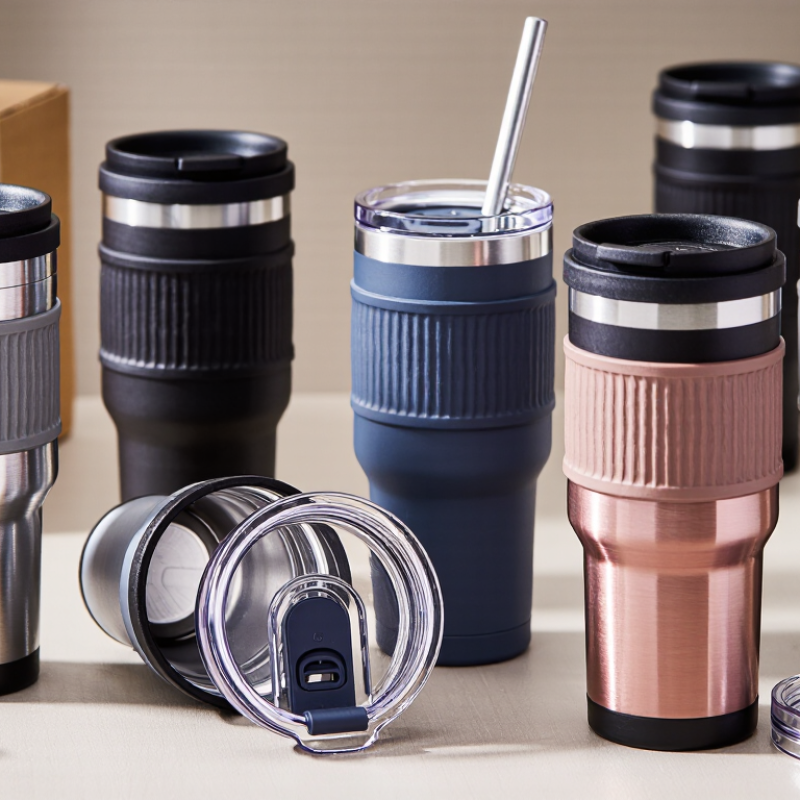
Start with the drinking situation, not the appearance. A commuter needs one-hand access, a secure lid, and a cup that fits standard vehicle holders. Office users may prefer a wider opening for ice and easier cleaning. Outdoor buyers should prioritize impact resistance, insulation, and a stable base.
Capacity should match the routine. A 12–16 ounce tumbler suits short commutes and controlled portions. A 20–30 ounce model supports long meetings, driving, or gym sessions. Larger sizes add weight when filled. That detail is easy to underestimate. The Fortune Business Insights reusable water bottle report valued the global market at USD 8.38 billion in 2023, showing strong demand for reusable drinkware, but market growth does not make every size practical.
Style affects daily maintenance. Double-wall vacuum insulation helps preserve temperature, while single-wall designs usually reduce cost and weight. Choose a straw lid for frequent sipping, a flip lid for quick access, or a screw lid for stronger leak protection. Check gasket quality, replacement-part availability, and dishwasher guidance before ordering internationally. The Ellen MacArthur Foundation has emphasized longer product use as a key circular-economy principle. A durable tumbler may therefore create more value than a cheaper cup replaced repeatedly. My own buying mistake was focusing on capacity first; the oversized cup rarely left the desk. Think again before choosing the biggest option.
10 Tumbler Cups Buying Tips for Global Buyers - Define Your Use Case, Capacity, and Preferred Tumbler Style
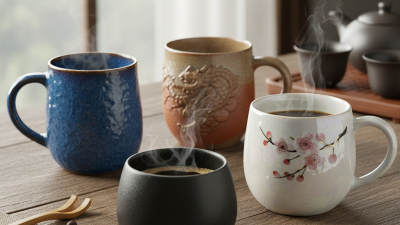
Capacity should match the drinking occasion, portability needs, and beverage type. Smaller tumblers are practical for espresso, tea, and short commutes, while larger sizes suit water, iced drinks, and extended outdoor use. Before purchasing, also check lid design, insulation, leak resistance, material, dimensions, car-cup-holder fit, cleaning requirements, customization options, and local food-contact regulations.
Compare Materials, Insulation, Durability, and Safety Standards
Global buyers should compare a tumbler’s material before admiring its finish.
Grand View Research valued the reusable water bottle market at about USD 8.07 billion in 2023. That growth increases the risk of rushed material claims.
Stainless steel usually offers strong durability and odor resistance. However, buyers should request the exact grade, not just “premium steel.”
Polypropylene and copolyester can reduce weight, but heat exposure may affect long-term performance. Silicone seals need food-contact documentation and odor testing.
“BPA-free” alone is not enough.
Insulation claims also require a clear test method.
Ask suppliers to report starting temperature, room temperature, fill volume, and testing hours. A vacuum double wall may retain heat well, yet a loose lid can defeat it quickly.
Check leak resistance after drop tests and repeated washing cycles. ASTM or ISO-based procedures improve comparison, while destination-specific food-contact rules remain essential.
For example, European Regulation (EC) No. 1935/2004 requires materials to avoid harmful migration into food.
The United Nations Environment Programme reported in 2023 that plastic pollution could be reduced by 80% by 2040 through reuse and better systems.
Reusable products still need long service lives to support that goal.
My own buying checks sometimes overvalue insulation and undervalue the gasket. That is a mistake.
Request migration reports, thermal test records, coating durability results, and production samples before placing a large order. Supplier paperwork can look convincing.
Physical testing may tell a different story.
Check Lids, Straws, Handles, Cleaning, and Leak Protection
As reusable drinkware expands, buyers need to inspect function, not only appearance. Grand View Research valued the global reusable water bottle market at about USD 9.7 billion in 2023. That growth increases product choices, but quality still varies.
Check the lid seal with water before bulk ordering. A silicone gasket should sit evenly, without gaps or sharp edges. The straw should detach easily and reach the cup’s base. Handles must feel stable under a full load, not just in product photos. FDA Food Code 2022 emphasizes smooth, cleanable, and non-absorbent food-contact surfaces. Therefore, avoid narrow crevices around hinges and sliding covers. They trap syrup, milk residue, and unpleasant odors. I have found that “leakproof” claims can be too optimistic. A rough transport test is still necessary.
Tips: Fill each sample, close the lid, and shake it over a white towel. Test it upside down for five minutes. Measure the opening against available bottle brushes. Ask suppliers for cleaning instructions, replacement-gasket details, and repeated open-close testing records. Straws need special attention; a small brush should pass through completely. Handles should survive lifting with one hand. A cup can look excellent and still fail after a week. That is worth questioning.
Evaluate Customization, Packaging, Minimum Orders, and Certifications
When buying tumbler cups internationally, customization should be checked beyond color and logo placement.
Request a physical sample with your artwork, lid, handle, and coating. Details matter. Confirm laser engraving depth, print durability, cup capacity, and temperature performance. A supplier should provide a clear production drawing before mass manufacturing. Small design changes can affect the mold, unit price, and delivery schedule.
Packaging deserves the same attention.
Ask whether each cup uses a protective sleeve, individual box, and moisture-resistant export carton. Request carton dimensions and drop-test information when shipping by sea. Samples can mislead. A beautifully packed sample may not match bulk production. Compare the approved sample with random pre-shipment photos or inspection records. A packaging mistake can create scratches, dents, or wasted storage space.
Minimum order quantities can vary by color, lid type, and customization method.
Confirm whether the MOQ applies to the total order or each design. Also request a written price breakdown for samples, tooling, printing, cartons, and replacement parts. For certifications, identify the destination market and product materials first. Ask for current test reports covering food-contact safety, coatings, and materials such as stainless steel or plastic components. Check the laboratory name, report date, product model, and tested specification. Do not accept a certificate image without verification. I have seen buyers overlook lid materials while checking only the cup body. That gap deserves a second review.

 +86 13438161196
 CONTACT NUMBER
 CONTACT NUMBER