+86 13438161196


Choosing the right Drinking Jug in 2026 requires more than comparing colors, capacities, and retail prices. Global buyers must examine material safety, insulation, pouring control, cleaning access, durability, and shipping performance. A jug that works in a European office may struggle in a humid tropical kitchen. Local habits matter.
Dr. Elena Marquez, a beverageware materials engineer, says, “A reliable jug should protect the drink, the user, and the buying decision.” Her view highlights a practical issue. Product appearance can hide weak hinges, narrow openings, or uncomfortable handles. Buyers should inspect food-contact materials, lid seals, base stability, and temperature performance. Glass offers visual clarity and a clean taste, but it may break during transport. Stainless steel resists impact and often supports insulation, although some users dislike its weight. Plastic models can be affordable and lightweight, but material quality and odor retention deserve careful testing.
Small details matter.
A family may need a wide-mouth Drinking Jug for ice and fruit pieces. A hotel may prefer stackable shapes and fast cleaning. Outdoor users may value leak resistance over elegance. Procurement teams should also review packaging strength, replacement-part availability, and supplier documentation. These points reduce waste and unexpected costs.
No jug is perfect. Even premium products can have awkward lids or difficult corners. That assumption needs checking. The best choice balances real usage, regional climate, handling habits, and verified specifications. This guide compares leading Drinking Jug types for global buyers, while recognizing that price alone rarely indicates long-term value.
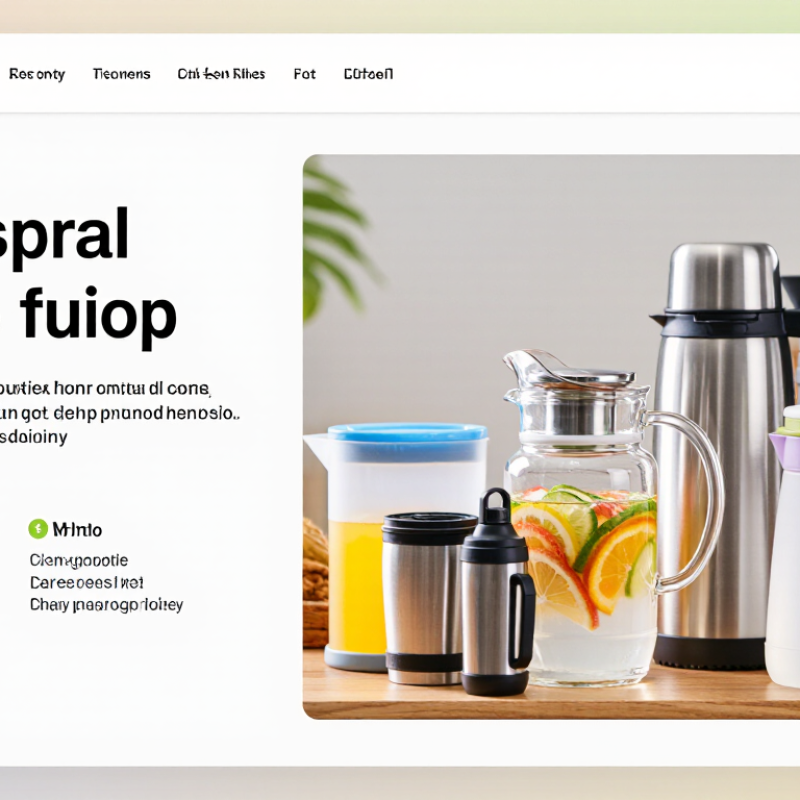
A drinking jug is a handled container designed to hold and pour beverages. It usually has a wide body, a practical opening, and a spout for controlled serving. Common materials include glass, stainless steel, ceramic, and food-safe plastic. Each material changes the jug’s weight, insulation, durability, and cleaning needs.
In daily use, a jug may serve water, juice, milk, iced tea, or homemade drinks. A family table often needs a 1.5 to 2-liter size, while offices and catering spaces may require larger capacity. Glass shows the liquid clearly, but it can feel heavy and break if dropped. Stainless steel resists impact and light, although users cannot see the remaining drink. Plastic is lighter for outdoor use, but it may retain odors when cleaning is rushed.
A stable handle matters more than many buyers expect. The grip should remain comfortable when the jug is full. A narrow spout helps prevent splashing, especially when children pour. Lids can reduce dust, yet loose lids may leak during transport. Check the opening before purchase. Ice cubes and fruit pieces need enough space to pass through. A dishwasher-safe design can save time, but seals and corners still need inspection. I sometimes overfill a jug for convenience, then regret the heavy, awkward pour. Smaller refills are often safer and fresher. Temperature claims also deserve caution; not every insulated jug keeps drinks cold for an entire day.

A drinking jug is a reusable container designed to hold and serve water or other beverages. The chart compares representative commonly sold capacities by jug type. Glass is suitable for clear taste and presentation, stainless steel and insulated jugs help maintain temperature, plastic is lightweight, and ceramic is commonly used for serving.
Capacity figures are representative examples of common household and hospitality jug sizes rather than market-share data. Buyers should also consider durability, insulation, weight, cleaning requirements, and intended use.
Material often determines how a drinking jug performs in real kitchens, offices, and outdoor settings.
Stainless steel suits buyers who need strength, insulation, and repeated daily use. It resists dents better than glass and usually blocks light from stored water. However, some steel jugs can leave a metallic taste after long storage. I have found that a wide opening makes cleaning easier, especially around the lid seal.
Keep it cold.
Glass works well when clean taste and visible contents matter. It does not usually retain odors, and users can inspect the water level quickly. Yet, a glass jug becomes heavy when full and may break during transport. A protective sleeve can reduce risk, but it cannot remove it. Tempered glass is preferable for busy homes and hospitality areas. Check the handle carefully; a beautiful shape may still feel unstable.
Food-grade plastic offers low weight, impact resistance, and lower shipping costs. It benefits schools, events, and outdoor users, although scratches may hold odors over time. Buyers should request material declarations and food-contact test documents for their target market. Ceramic provides a pleasant, solid feel, but it needs careful handling and often lacks reliable insulation. Silicone is useful for flexible covers and grips, not always for the entire jug. Specifications can look perfect on paper. Real users may disagree.
Drinking jug designs should match the task, not only the kitchen aesthetic. A wide-mouth jug suits family tables because users can add ice, lemon slices, or fruit easily. A narrow-neck model reduces spills during transport, but cleaning becomes less convenient. Grand View Research estimates that the global reusable water bottle market reached about USD 8.9 billion in 2023, with continued growth through 2030. This broader market signal shows rising demand for durable, reusable hydration products, including larger jug formats.
Function changes the best handle and lid design. A full 2-liter jug needs a balanced side handle and a stable base, especially for older users or children. An insulated stainless-steel design supports outdoor work and long service periods, while lightweight plastic remains practical for offices and shared spaces. The U.S. Environmental Protection Agency reports that containers and packaging make up a significant share of municipal solid waste, strengthening the case for reusable products. Yet material choice still needs care. Some lightweight jugs feel convenient but scratch quickly.
Cleaning is often overlooked. A removable lid, broad opening, and simple seal can reduce trapped moisture and odors. Leak resistance matters during delivery, but an overly tight cap may frustrate daily users. In procurement checks, small details often decide satisfaction. I still question whether every “premium” feature adds real value. Sometimes, a plain jug performs better. WHO and UNICEF’s Joint Monitoring Programme reported that 2.2 billion people lacked safely managed drinking water in 2022, so practical access and reliable use should remain central to design decisions.
Choosing a drinking jug starts with capacity, not appearance. A 1-liter jug suits desks, bedside tables, and short meetings. A 2-liter model works better for family meals or shared offices. Larger 3-liter versions reduce refilling, but they become heavy when full. Check the filled weight before ordering.
Features matter across climates and shipping routes. Double-wall insulation helps keep water cool in hot regions. A wide opening makes cleaning easier and allows ice cubes to pass through. Leak-resistant lids are essential for transport, while a stable base reduces spills on uneven tables.
Look for a comfortable handle, clear volume markings, and replaceable seals. Small details count.
Material selection requires practical judgment. Food-contact stainless steel offers strength and often resists odors, while durable plastic can reduce shipping weight. Glass looks clean but may need protective packaging. Buyers should request test reports, material declarations, and care instructions for their destination market. Requirements differ by country. Do not assume one document covers every region. I have found that easy cleaning is often valued more than advanced insulation. Still, some buyers choose oversized jugs and later regret the storage space. There is no perfect size. Evaluate daily use, transport conditions, cleaning access, and expected serving volume before placing a bulk order.
When selecting a drinking jug, safety should lead the decision, not appearance. Glass offers a clean surface and does not retain odors, but it can break during delivery. Stainless steel is durable and suitable for repeated use, yet poor inner finishing may trap residue. Food-grade plastic can reduce shipping weight, although buyers must verify its material composition and temperature limits.
Ask suppliers for food-contact test reports, production details, and traceable batch information. Check the lid, handle, spout, and sealing ring separately. A tight lid should resist leaks without requiring excessive force. Inspect the interior for scratches, rough welds, or unusual smells. Requirements differ across markets, so documentation should match the destination country. A certificate alone is not enough.
Tips: Request samples from more than one production batch. Fill each jug, shake it, and leave it overnight. Test cleaning after milk, juice, or tea. Review whether replacement seals are available. Sustainability also needs careful judgment. A durable jug may create less waste, but transport weight and packaging matter. Recycled content sounds positive, yet it should not reduce safety or clarity. Buyers sometimes focus too heavily on labels and overlook daily handling. That is a mistake worth reconsidering. A practical choice balances verified safety, long service life, repairability, and realistic shipping conditions.