+86 13438161196


Choosing the right Drink Glasses can influence breakage rates, customer satisfaction, and repeat orders. Wholesale buyers rarely need the most attractive glass alone. They need dependable products that survive packing, shipping, washing, and daily service. A stylish rim means little if cartons arrive with chips. That detail matters.
This guide examines seven practical glass styles for wholesale purchasing, including tumblers, highball glasses, rocks glasses, beer glasses, wine glasses, coupes, and specialty designs. Each option serves a different setting. A 12-ounce tumbler may suit cafés and casual restaurants, while a heavier rocks glass can support bars serving iced drinks. Tall highballs create visual space for soda, fruit, and ice. Stemmed glasses offer elegance, but their delicate profiles may increase handling concerns.
The evaluation focuses on capacity, durability, balance, clarity, stacking ability, cleaning performance, packaging, and price consistency. These details are easier to compare than vague claims about “premium quality.” Buyers should request samples and inspect the rim, base, seams, and carton dividers before ordering large quantities. Check how the glass feels when wet. Test it beside existing tableware.
No ranking fits every buyer. A low-cost glass may deliver stronger margins, yet frequent replacement can erase that advantage. I have also seen attractive designs become impractical because storage space was overlooked. That mistake is easy to make. Reliable sourcing requires clear specifications, realistic order volumes, and honest communication about defects. The best choice is not always the cheapest or most fashionable. It is the glass that performs consistently in the buyer’s actual environment.
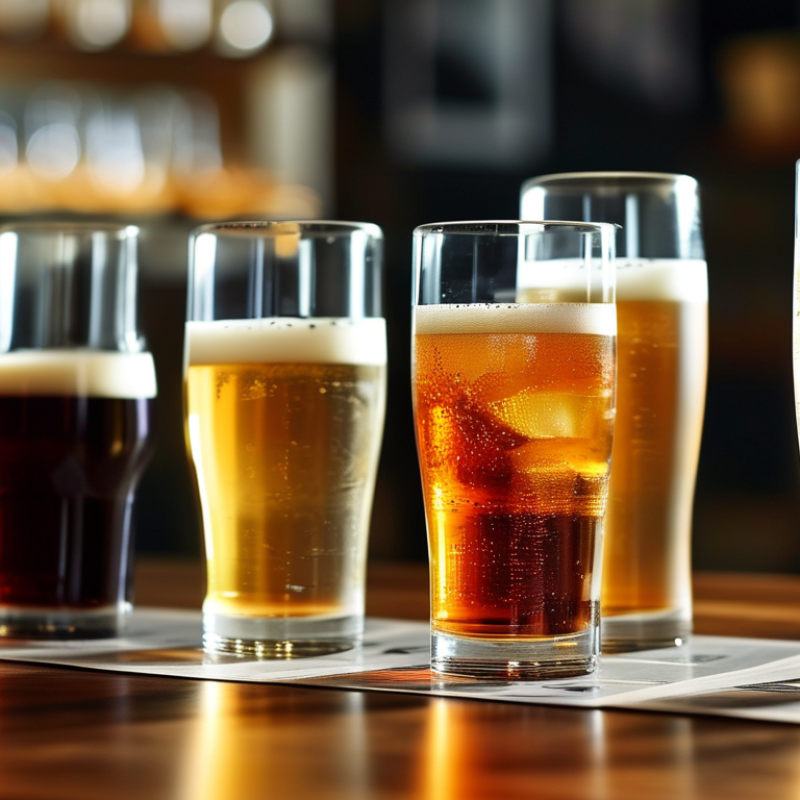
For wholesale buyers, the best drink glasses balance demand, durability, and efficient storage. Rocks glasses suit spirits, juice, and short cocktails. Highball glasses support long drinks and iced beverages. Pint glasses serve beer and casual dining. Wine glasses remain essential for restaurants and event venues. Flute glasses fit sparkling drinks, while coupe glasses offer a more decorative alternative. Stemless wine glasses reduce breakage during busy service, though they may feel less formal.
Fortune Business Insights’ 2024 Glass Tableware Market report estimates the sector at USD 17.82 billion in 2023. It projects the market to reach USD 27.15 billion by 2032, with a 4.8% CAGR. This growth supports broader wholesale demand, but market growth does not guarantee fast turnover. Buyers should compare rim thickness, glass clarity, weight, stacking space, and carton protection. Check food-contact documents and relevant ISO 7086 testing. In practical sourcing, a slightly heavier base often improves stability. It can also increase shipping costs. That trade-off deserves honest review.
Tips: Request samples before placing a bulk order. Test each shape with ice, washing cycles, and shelf stacking. Measure packed dimensions, not just the glass itself. Ask for breakage rates and replacement policies. A low unit price may hide weak packaging. Seasonal demand can also distort forecasts. Track reorder history when possible, and avoid purchasing all seven types in equal quantities.
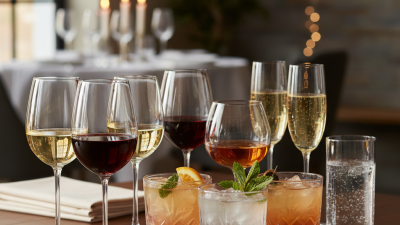
For wholesale buyers, the seven best drink glasses are not chosen by appearance alone. Compare highball, rocks, wine, beer, champagne, martini, and stemless designs by their intended use. A 300-milliliter highball suits iced drinks, while a thick-base rocks glass handles short pours and bar service. Capacity should match common recipes, ice size, and serving portions.
Check glass thickness around the rim and base. A polished rim feels comfortable and reduces sharp finishing flaws. Inspect samples under bright light for bubbles, cloudy marks, uneven walls, or wobbling bases. Small defects become expensive when they appear across several cartons. Tempered glass may improve thermal shock resistance, but ask for test data rather than trusting a sales description. It matters.
Weight also needs careful comparison. A heavier glass can feel premium, yet it raises freight costs and may tire staff during busy service. I once preferred a very thick tumbler, then reconsidered after repeated handling tests. Stackability, carton dividers, and dishwasher compatibility often influence real profits more than styling. Measure the nested height before approving an order. Supplier consistency deserves written tolerances, especially for diameter, capacity, and color. Request production samples, not only catalog images. Check breakage rates from previous shipments when records are available. A low unit price is not always low cost.
For wholesale buyers, glass selection should follow beverage behavior, not appearance alone. The right shape controls aroma, temperature, foam, dilution, and serving speed. I recommend seven core forms.
A straight-sided tumbler suits water, juice, and soft drinks, with a reinforced rim for frequent handling. A highball supports long mixed drinks, ice, and carbonation.
A rocks glass fits spirits and short cocktails served over one large cube.
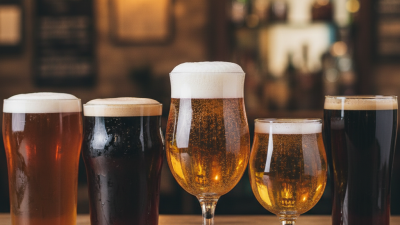
Beer needs flexibility. A pint glass handles broad service, while a tulip glass captures aroma and supports a stable foam head.
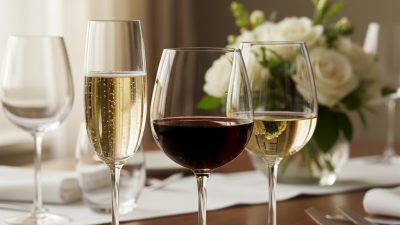
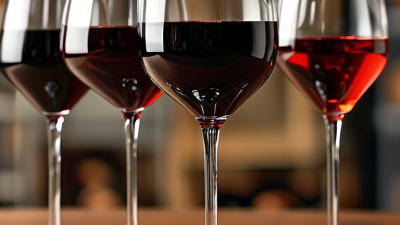
The Brewers Association reported 2023 U.S. craft beer production at about 23.1 million barrels, showing why beer glass capacity still matters to buyers. For wine, select a stemmed glass with enough bowl space for swirling. The OIV’s 2024 report estimated global wine consumption at roughly 214 million hectolitres in 2023. That volume rewards practical, stackable designs.
A flute suits sparkling beverages, while a coupe offers a wider presentation for selected cocktails. IWSR’s 2024 strategic study forecasts no- and low-alcohol drinks to grow about 7% annually through 2028. Smaller stemmed glasses may support measured servings in this category.
Do not over-trust shape alone. A beautiful glass can be unstable, difficult to wash, or too fragile for busy service. Test rim comfort, base balance, nesting space, and breakage rates before ordering deeply.
7 Best Drink Glasses for Wholesale Buyers
Material and safety decide whether a bulk order performs well. The seven strongest options are tempered soda-lime tumblers, borosilicate glasses, highball glasses, rocks glasses, stemmed wine glasses, beer glasses, and recycled-content glassware. Soda-lime suits everyday service and usually controls costs. Borosilicate handles sharper temperature changes, though it can cost more. According to technical data from the International Commission on Glass, borosilicate expands at roughly 3.3 × 10⁻⁶/K, compared with about 9 × 10⁻⁶/K for common soda-lime glass. That difference matters when hot coffee meets a cool counter.
Durability needs evidence, not attractive photographs. Request impact, thermal-shock, rim-strength, and dishwasher-cycle test results. ISO 7086 addresses lead and cadmium release from glass hollowware. EN 12875-1 evaluates dishwasher resistance. These references help buyers compare suppliers consistently. The Glass Packaging Institute reports that glass is 100% recyclable and can be recycled repeatedly without losing quality. Recycled content still needs inspection. Tiny seeds, cloudy patches, or uneven rims can increase rejection rates. I would not assume thicker glass always means safer glass. Poor annealing can defeat thickness.
Tips: Order samples from each production batch. Fill them with ice, hot water, and acidic drinks. Check cracks after 24 hours. Measure rim thickness and base flatness. Keep a retained sample. Also, ask for food-contact declarations and test reports tied to the exact model, not a similar one. Small details are often missed. Bulk savings disappear when cartons arrive with chipped edges.
| Glass Type | Typical Material Composition | Common Capacity | Durability Profile | Thermal Performance | Safety Considerations | Relevant Standard or Verification | Best Wholesale Applications |
|---|---|---|---|---|---|---|---|
| Tempered Soda-Lime Tumbler | Soda-lime-silicate glass that has been heat-treated to increase surface strength. | 250–500 ml (8–17 fl oz) |
Higher resistance to impact and thermal shock than untreated soda-lime glass; breakage can still occur from sharp impact or edge damage. | Suitable for normal hot and cold beverage service when the product is specifically rated for thermal use. | When broken, properly tempered glass generally fractures into smaller granular pieces rather than large sharp shards. Do not use chipped or cracked units. | Request evidence of thermal-tempering control and applicable drinking-glass impact or thermal-shock testing, such as EN 12150 where relevant. | Restaurants, cafés, catering operations, hotels, and high-turnover dining rooms. |
| Borosilicate Glass Tumbler | Heat-resistant borosilicate glass containing a higher proportion of boron oxide than standard soda-lime glass. | 250–450 ml (8–15 fl oz) |
Good resistance to chemical attack and temperature changes; thin walls may still be vulnerable to impact and rim chipping. | Lower thermal expansion makes it suitable for many hot-to-cold transitions, subject to the manufacturer’s use instructions. | Must be inspected for scratches, chips, and manufacturing defects. Thermal resistance does not make the glass unbreakable. | Verify food-contact compliance under the destination market’s rules, including applicable migration testing. | Tea service, specialty coffee, juice bars, laboratories, and premium homeware programs. |
| Double-Wall Borosilicate Glass | Two layers of borosilicate glass separated by an insulating air gap; many designs include a sealed base. | 200–400 ml (7–14 fl oz) |
Good thermal performance, but the double-wall construction can be more sensitive to drops, crushing, and manufacturing defects. | Insulates the user’s hand and helps beverages retain temperature; follow stated limits for boiling liquids and rapid temperature changes. | Check the seal, base, and inner wall for cracks or moisture ingress. Avoid microwave or dishwasher claims unless specifically tested. | Request food-contact documentation, thermal-shock testing, leak testing, and dishwasher-use validation if advertised. | Specialty coffee, tea, dessert drinks, gift sets, and premium retail assortments. |
| Lead-Free Crystal Glass | Glass formulated without intentionally added lead; may use other mineral oxides to improve clarity, brilliance, or weight. | 300–700 ml (10–24 fl oz) |
Often clear and attractive, but thin stems, rims, and bowls can be more vulnerable to impact than thick tumblers. | Generally intended for ambient or chilled beverages unless the supplier provides specific thermal-use instructions. | Confirm that “lead-free” is supported by material declarations or laboratory testing; avoid assuming all crystal products have the same composition. | Request lead and cadmium migration testing and food-contact compliance for the destination market. | Wine service, cocktail programs, banquet dining, hospitality, and premium presentation sets. |
| Thick-Wall Soda-Lime Tumbler | Standard soda-lime-silicate glass with a thicker base, wall, or reinforced rim. | 250–600 ml (8–20 fl oz) |
Practical and economical; the added mass can improve everyday handling, but it does not provide the same performance as fully tempered glass. | Best suited to cold or room-temperature beverages unless thermal-shock performance is documented. | Inspect the rim and base for chips. Do not pour boiling liquid into a cold, untreated glass unless the product is specifically designed for it. | Verify food-contact compliance, dimensional consistency, rim inspection, and any claimed dishwasher suitability. | Bars, cafeterias, casual dining, event venues, and cost-focused bulk programs. |
| Opal Glass Drinkware | Opaque or translucent glass made by incorporating opacifying materials into a glass composition, commonly used for durable tableware. | 200–400 ml (7–14 fl oz) |
Often lightweight and suitable for frequent service; durability depends on whether the product is additionally tempered. | Many commercial versions are designed for routine hot and cold beverage service, but temperature limits must be confirmed. | Check for edge damage and surface wear. Decoration, coatings, and printed designs require separate food-contact and abrasion checks. | Request food-contact documentation, thermal-shock data, and abrasion or dishwasher testing for decorated products. | Schools, hospitals, cafeterias, staff dining, institutional catering, and everyday household sets. |
| Recycled-Content Soda-Lime Glass | Soda-lime glass containing a declared proportion of recycled glass, commonly called cullet, blended with virgin raw materials. | 250–500 ml (8–17 fl oz) |
Durability is generally comparable to other soda-lime products when wall thickness, annealing, and quality control are equivalent. | Typically intended for standard cold or room-temperature beverage use unless tempered or otherwise rated for thermal shock. | Confirm consistent production quality, smooth rims, and absence of inclusions, stones, or visible manufacturing defects. | Request recycled-content documentation, food-contact migration testing, and quality-control records for each production batch. | Eco-focused retail collections, restaurants, hotels, events, and sustainability-oriented procurement programs. |
Choosing a reliable wholesale drink glass supplier matters more than selecting attractive shapes. A useful range may include tumblers, highballs, rocks glasses, beer glasses, wine glasses, martini glasses, and stemless glasses. Each style should have consistent capacity, smooth rims, and stable bases. Ask suppliers about glass composition, production experience, and food-contact documentation. Clear answers usually show stronger quality control.
Request samples before placing a large order. Check each rim with your finger, measure the capacity, and inspect the base for bubbles or uneven thickness. A professional supplier should explain minimum order quantities, production schedules, packaging methods, and replacement procedures. Test the cartons too. One sample shipment arrived intact, but a rough handling simulation exposed weak inner dividers. That mistake changed the final packaging plan.
Tips: Compare at least three suppliers using the same questions. Ask for recent inspection photos, not only polished catalog images. Confirm whether pricing includes packaging and export preparation. Discuss acceptable defect rates in writing. Check how quickly the supplier reports production delays. Low prices can hide thin walls, inconsistent sizing, or costly breakage. I also recommend a small trial order. It may feel slower, but it reveals communication gaps before your inventory is at risk. Supplier reliability is measured during problems, not only during smooth negotiations.