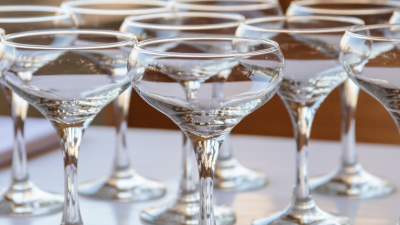
What Are the Top Types of Glass Cocktail Glasses?
Glass Cocktail Glasses are not merely decorative pieces; their shapes influence aroma, temperature, balance, and how a drink feels in the hand. Glassware designer Georg J. Riedel has emphasized that a glass’s shape can affect how a beverage is perceived. That principle offers a useful starting point, though no glass can rescue a poorly made cocktail.
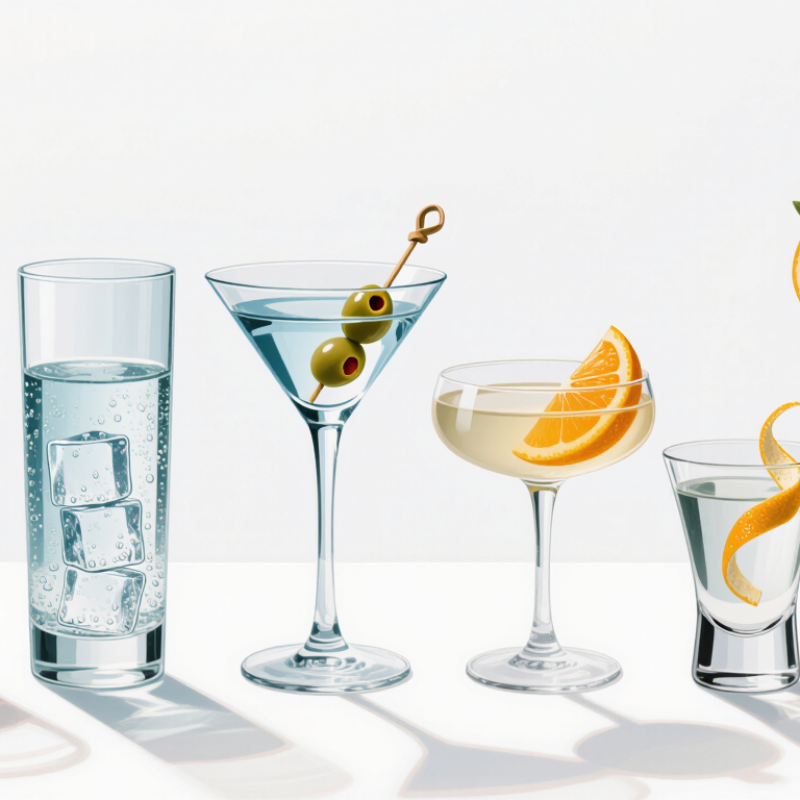
The main types each serve a distinct purpose. A rocks glass has a broad, sturdy base for spirits served over large ice cubes. Highball glasses are tall and narrow, leaving room for ice and sparkling mixers. Martini glasses and coupes lift aromatic drinks above the hand, while Nick & Nora glasses offer a smaller, more compact bowl. For tropical serves, hurricane glasses provide space for crushed ice and vivid garnishes. The details matter. A thin rim feels different from a thick one, and a narrow bowl presents aromas differently from a wide one.
Still, categories blur. Some drinks work well in more than one style, and personal preference counts. This guide compares the most popular Glass Cocktail Glasses by shape, capacity, comfort, and practical use. It also considers durability and everyday storage, not just appearance. A beautiful stem can feel awkward in a crowded kitchen. That matters. The best choice is the one that suits the drink, the occasion, and the person holding it.
How Cocktail Glasses Are Classified by Shape and Purpose
Cocktail glasses are classified by shape and purpose, not simply by name. A coupe’s broad, shallow bowl suits drinks served without ice, while its stem helps keep warm hands away from the chilled liquid. A V-shaped cocktail glass creates a formal presentation, but its wide rim can expose aromas quickly. Highballs and Collins glasses are tall, leaving room for ice, mixers, and visible bubbles. Rocks glasses are shorter and sturdier, making them practical for spirit-forward drinks served over ice. These are useful conventions, not strict rules.
Shape also affects aroma, temperature, and how a drink reaches the palate. ISO 3591:1977 specifies a 215 mL capacity for its wine-tasting glass, offering a technical example of how vessel dimensions can be standardized for sensory use. That figure is not a cocktail-glass requirement. Cocktail portions and recipes vary, so a glass that looks right may still leave too little room for ice or garnish. There is no perfect taxonomy; some distinctions are more useful behind a bar than at home.
Tips: Check the finished drink’s volume before choosing a glass. Leave space for ice and a citrus peel, and chill stemmed glasses when serving cold drinks. Small details matter. I sometimes choose a glass for appearance first, then reconsider when the garnish crowds the rim.
Martini and Coupe Glasses for Up Drinks
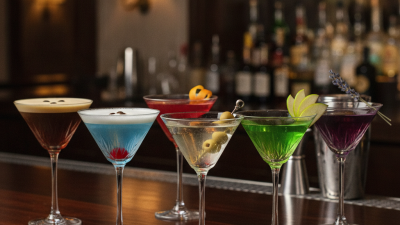
Martini and coupe glasses both suit up drinks, but their shapes create different experiences. A martini glass has a wide, angled bowl that lets the drink’s aroma rise quickly. Its long stem keeps warm fingers away from the chilled liquid. The rim can feel elegant, though a full glass may slosh when carried across a room.
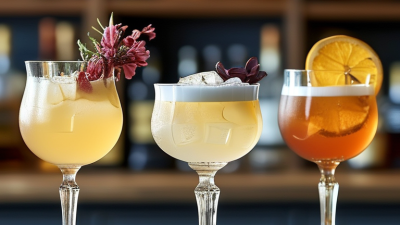
A coupe has a shallow, rounded bowl and a softer silhouette. It feels comfortable to hold and works well for drinks served without ice. The curved shape can make a small pour look generous. It can also hide the drink’s surface, so a delicate garnish may be less noticeable. Neither glass keeps a drink cold for long.
Tips: Chill the glass for a few minutes before pouring. Leave a little space below the rim, especially with a martini glass. For a coupe, keep citrus twists small; a heavy garnish can tip the balance.
When choosing between them, consider how the drink will be served and where guests will sip it. A martini glass emphasizes aroma and presentation. A coupe feels steadier in the hand, but its low sides offer less protection from spills. I still reach for the coupe at a crowded table, though it is not spill-proof. For either style, clear glass makes color and clarity easy to judge.
Top Types of Glass Cocktail Glasses
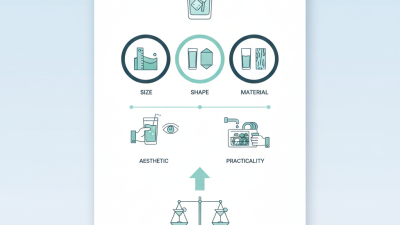
Martini and coupe glasses are classic choices for drinks served “up,” without ice. The chart compares representative capacities; actual glass sizes vary by design and manufacturer.
Highball and Collins Glasses for Tall Cocktails
Highball and Collins glasses are designed for tall cocktails, plenty of ice, and a refreshing mix of spirit, citrus, and bubbles. Both have narrow, upright profiles that help keep drinks looking crisp and leave room for a straw or garnish. A highball glass is often shorter, with a capacity around 8 to 12 ounces. A Collins glass is typically taller and may hold 10 to 14 ounces, though sizes vary. That detail matters.
The names are not used consistently, so compare the glass’s actual height and capacity rather than relying on its label. For a fizzy cocktail, a tall shape gives you room to add ice without immediately crowding the drink. Fill the glass with firm cubes, then pour slowly to preserve some carbonation. A stable base helps when stirring, especially on a busy table. Clear glass also makes layers, bubbles, and a citrus wheel easy to see. One small drawback: a very narrow glass can make large ice cubes awkward to add. It is worth checking the opening before choosing a set.
Rocks and Old Fashioned Glasses for Spirit-Forward Drinks
Rocks glasses suit spirit-forward drinks because their low, broad shape leaves room for ice and makes stirring easy. A heavy base also feels steady on the bar. Keep the rim comfortable and the bowl wide enough for a large cube; cramped ice can make serving and sipping awkward. That detail matters.
The International Bartenders Association’s published Old Fashioned specification uses 45 ml of whisky, while its Negroni specification assigns 30 ml to each of three components. Both are served in an old-fashioned glass. These measurements leave space for ice, dilution, and a citrus garnish without making the glass feel crowded. A 2013 study by Spence and colleagues in Food Quality and Preference found that glassware can influence how people perceive alcoholic drinks. Shape is not just decoration. For service, choose a clear glass with enough room to stir without striking the rim, and test it with the actual ice used behind the bar. One caveat: a larger glass can make a modest pour look sparse, so matching glass capacity to the recipe is worth checking.
Specialty Glasses for Tropical and Aromatic Cocktails
Tropical cocktails often need room for crushed ice, fresh fruit, and a generous garnish. A hurricane glass has a tall, curved bowl that accommodates these layers while keeping the drink easy to hold. Its shape is practical, though it can make a modest pour look smaller than expected. A sturdy tiki-style mug offers another option. The opaque sides keep the drink visually mysterious, but they also hide its color.
Aromatic cocktails call for a different kind of attention. A tulip-shaped glass or small snifter can gather scents near the rim, making citrus peel, herbs, and spice easier to notice. The narrower opening helps concentrate aromas, while a stem keeps warm hands away from the bowl. Small details matter. A thick rim may feel less delicate, and an oversized garnish can compete with the drink’s scent.
Match the glass to the way the cocktail is served, not just its name. Crushed ice and a tall straw suit a hurricane glass; a short, spirit-forward drink may feel more at home in a compact aromatic glass. There is no perfect rule. I’d test the fit with the actual ice and garnish, since a beautiful glass can still be awkward to sip from. A little less decoration can sometimes reveal more.

 +86 13438161196
 CONTACT NUMBER
 CONTACT NUMBER