
Leave Your Message

How to Source Glass Margarita Glasses Wholesale?

Sourcing Glass Margarita glasses wholesale requires more than comparing the lowest online price. A reliable buying process connects product design, supplier experience, quality control, and shipping performance. For restaurants, bars, hotels, and retail brands, the right glass must look attractive while surviving repeated washing, handling, and delivery.

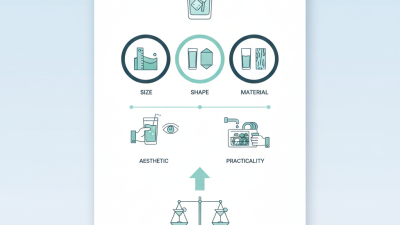
Start by defining the product clearly. Consider bowl capacity, rim diameter, stem length, glass thickness, color, logo placement, and packaging style. A wide rim may improve presentation, but it can also increase breakage during transport. Ask suppliers for physical samples. Photos rarely show the real weight, balance, rim finish, or clarity. Small details matter.

Request a complete wholesale quotation. It should show the unit price, minimum order quantity, sample cost, tooling fees, packaging method, production time, and shipping terms. Confirm whether the quoted price includes individual boxes or only bulk cartons. That difference can change your landed cost significantly. I have seen buyers focus on unit pricing and overlook damaged cartons, delayed replenishment, or inconsistent decoration. It is an easy mistake.

Check the supplier’s manufacturing history, inspection process, export experience, and customer references. Request current food-contact documentation relevant to your target market. Discuss carton testing, inner protection, replacement policies, and inspection timing before payment. A written specification protects both sides. Still, no document replaces a careful sample review.

Your goal is not merely to buy Glass Margarita glasses cheaply. It is to build a repeatable supply process with predictable quality, safe packaging, and honest communication. The best supplier may not offer the lowest first quote. Reliability usually reveals its value later.

How to Source Glass Margarita Glasses Wholesale?

Define Glass Margarita Glass Specs Using ISO 7086 and ISO 7458 Tests

When sourcing glass margarita glasses wholesale, define the product before comparing quotations. A 2024 market assessment valued the global glass tableware sector at more than USD 10 billion, with steady demand from hospitality and home dining. Volume alone is not enough. Record a 12-ounce capacity, 105-millimeter rim diameter, 2.5-millimeter minimum rim thickness, stable foot, and consistent stem alignment. Small variations become obvious when dozens of glasses sit together.

ISO 7086 provides a practical framework for food-contact hollowware. Request dimensional checks, rim impact resistance, thermal shock testing, and lead or cadmium release verification. Ask for test reports from the actual production batch, not only a sample from development. ISO 7458 addresses internal pressure resistance for glass containers, so it is not a perfect margarita-glass test. Still, it may help evaluate enclosed or pressure-bearing components when the design includes them. Do not use it as a substitute for ISO 7086.

A 2023 hospitality purchasing report found that breakage and replacement costs can represent over 10% of beverage-service glassware spending. That figure deserves attention. Specify annealing controls, carton dividers, drop-test requirements, and an acceptable defect rate. Inspect 50 pieces from each shipment, checking cloudy rims, pinholes, wobbling feet, and uneven color. One weakness remains: visual inspection cannot prove long-term thermal performance. Include independent laboratory testing, even when the factory appears experienced.

Size MOQ and Pricing with HS 7013 Trade Data and Demand Forecasts

How to Source Glass Margarita Glasses Wholesale?

HS 7013 trade data can reveal shipment values, origin markets, and volume trends for glass tableware. Check the exact national tariff extension before comparing suppliers. Margarita glasses may be classified differently by customs authorities. Ask a customs professional to verify the code.

Size affects both demand and freight. Common wholesale options include 8–10 ounce bowls for controlled portions and 12–16 ounce bowls for restaurants. Measure rim diameter, bowl height, stem length, and carton dimensions. A wider rim needs stronger dividers. It also increases breakage risk. Demand forecasts often favor larger cocktail glasses during warm-season promotions, but regional habits vary. Forecasts can be wrong.

Request pricing at several MOQ levels, such as 500, 1,000, and 3,000 pieces. Compare the unit price with packaging, inspection, inland transport, and insurance. Trade data shows declared shipment value, not your final wholesale cost. A low quote may exclude reinforced cartons or replacement units. I have seen attractive samples fail during drop testing. Require a production sample, glass clarity checks, rim inspection, and a documented breakage allowance. Lead times should include mold preparation, production, inspection, and port handling. Keep the quotation date visible. Glass energy costs and freight rates can change quickly.

How to Source Glass Margarita Glasses Wholesale? Size, MOQ and Pricing with HS 7013 Trade Data and Demand Forecasts

Indicative wholesale sourcing benchmarks for glass margarita glasses classified under HS 7013. Prices are shown in US dollars per piece, excluding freight, duty and packaging customization.

Larger capacities generally require more glass material and stronger packaging, increasing unit cost. Higher MOQs typically reduce pricing. The demand index uses 2024 as the baseline and represents a planning forecast rather than a reported customs value.

Screen Suppliers by ISO 9001, BSCI, and Food-Contact Compliance Records

How to Source Glass Margarita Glasses Wholesale?

When sourcing glass margarita glasses wholesale, screen suppliers beyond price and catalog photos. Ask for a current ISO 9001 certificate covering the actual manufacturing site. This standard suggests controlled quality processes, but it does not prove food-contact safety. Verify the certificate number, scope, validity, and issuing body independently.

BSCI records can reveal how a factory manages working hours, wages, health, and workplace safety. Request the latest assessment, not a promotional screenshot. For food-contact compliance, obtain laboratory reports for the exact glass, coating, decoration, and packaging. Check migration testing, lead and cadmium results, and the applicable destination-market requirements. Reports should identify the factory and product clearly. Vague documents create risk.

Tips: Order samples from production, not showroom stock. Inspect the rim, bowl, stem, base, and printed decoration under bright light. Keep one approved sample for comparison. Ask how batches are traced and how damaged pieces are handled. A factory may hold impressive certificates yet deliver uneven rims. I have seen paperwork look complete while sample details were missing. That gap deserves attention. Require corrective-action records and a written inspection plan before placing a large order. Also confirm carton strength with a small trial shipment. Breakage data is often more honest than a sales presentation.

Verify Durability with ASTM D5276 Carton Drop Tests and AQL Sampling

How to Source Glass Margarita Glasses Wholesale?

When sourcing wholesale margarita glasses, ask for a documented ASTM D5276 carton drop test. This test evaluates a packed carton after controlled free-fall impacts. It does not prove that every glass is unbreakable. It shows whether the packaging protects the shipment under defined conditions.

Request the test height, carton weight, drop sequence, conditioning time, and failure criteria. A useful trial can include drops on corners, edges, and faces. Inspect every glass afterward. Look for rim chips, star cracks, cloudy scratches, loose stems, and carton compression. Place a sample carton on a marked floor. Photograph each impact. Small details matter. A 12-glass carton may pass visually but fail when stacked during transport. That weakness deserves attention.

AQL sampling adds discipline during production inspection. Agree on lot size, sample quantity, critical defects, major defects, and minor defects before payment. A chipped drinking rim should receive stricter treatment than a small cosmetic mark. Inspectors should open cartons randomly, not only the easiest boxes. Record measurements for bowl diameter, stem height, and base stability. AQL is not a promise of zero defects; it is a sampling decision. That limitation is easy to overlook. For better reliability, compare internal records with an independent inspection report. Repeat the drop test after changing carton dividers, glass thickness, or pallet patterns. Packaging improvements can create new pressure points. Careful sourcing means testing the product and the system around it.

How to Source Glass Margarita Glasses Wholesale? - Verify Durability with ASTM D5276 Carton Drop Tests and AQL Sampling

Wholesale Specification Recommended Requirement Verification Method Acceptance Guidance
Nominal capacity 350–450 mL brimful capacity; approximately 300–400 mL service fill Measure with water using a calibrated graduated vessel At least 95% of sampled glasses within the agreed capacity tolerance
Typical glass dimensions Rim diameter: 105–115 mm; overall height: 165–185 mm; foot diameter: 75–85 mm Digital caliper and height gauge inspection Use the approved technical drawing as the controlling specification
Glass wall and base Nominal wall thickness: 2.5–4.0 mm; stable foot with no rocking Thickness gauge, visual inspection, and flat-surface stability check No sharp edges, cracks, chips, open bubbles, or unstable bases
Product weight Approximately 280–450 g per glass, depending on design and capacity Calibrated digital scale Define an approved weight tolerance before production
Individual protection Paper sleeve, molded pulp separator, or fitted divider protecting rim, bowl, stem, and foot Packaging inspection and simulated handling review No glass-to-glass contact or movement that can cause impact damage
Master carton configuration 12 or 24 glasses per carton; double-wall corrugated carton recommended for export shipments Carton count, gross weight, and internal fit inspection Carton must close securely without compressing the glassware
Carton drop-test setup Test the fully packed production carton; record carton mass, orientation, sequence, and drop height ASTM D5276 free-fall drop testing Use a buyer-approved drop height and sequence; ASTM D5276 does not define one universal height for every shipment
Suggested drop sequence Corners, edges, and faces selected according to the approved test plan and carton design ASTM D5276 test record with photographs before and after testing No broken glass, dangerous shards, exposed product, or loss of protective function
AQL inspection level ANSI/ASQ Z1.4, General Inspection Level II, single normal sampling Random sampling from the completed lot Use separate classifications for critical, major, and minor defects
Lot size: 501–1,200 pieces Code letter J; sample size: 80 pieces AQL 1.5 example: Ac 3 / Re 4 for major defects Accept at 3 or fewer major defects; reject at 4 or more
Lot size: 1,201–3,200 pieces Code letter K; sample size: 125 pieces AQL 1.5 example: Ac 5 / Re 6 for major defects Accept at 5 or fewer major defects; reject at 6 or more
Lot size: 3,201–10,000 pieces Code letter L; sample size: 200 pieces AQL 1.5 example: Ac 7 / Re 8 for major defects Accept at 7 or fewer major defects; reject at 8 or more
Critical defects Broken glass, sharp hazardous edges, contamination, or unsafe structural failure 100% screening where practical, supported by random sampling Recommended acceptance number: 0
Major defects Cracks, chips affecting safe use, severe deformation, unstable foot, or carton damage exposing product AQL 1.5 sampling plan Apply the lot-specific Ac/Re values agreed in the purchase specification
Minor defects Light cosmetic marks, small non-functional bubbles, or slight print variation Separate minor-defect AQL, commonly selected at 2.5 or 4.0 Do not combine minor defects with cracks, chips, or safety-related failures
Pre-shipment documentation Approved drawing, packing list, lot quantity, inspection report, drop-test record, and defect photographs Document review before shipment release Release only when product, packaging, and sampling results meet the written specification

Note: AQL acceptance values should be confirmed against the current ANSI/ASQ Z1.4 table and the agreed defect classification. ASTM D5276 describes the free-fall drop-test method; the purchaser should define the drop height, sequence, packaging condition, and pass/fail criteria for the intended distribution environment.

Plan Freight and Sustainability Using Incoterms 2020 and FEVE’s 74% Rate

How to Source Glass Margarita Glasses Wholesale?

Freight planning should begin before requesting wholesale prices. Margarita glasses are bulky, fragile, and costly to ship with empty space. Confirm carton dimensions, pallet patterns, gross weight, and drop-test results with the supplier. A single cracked glass can damage nearby cartons. It also creates avoidable waste.

Incoterms 2020 define responsibilities, but they do not replace a written freight plan. Under FOB, the buyer usually controls the main ocean booking after loading. Under CIF, the seller arranges freight and basic insurance to the named port. DDP may appear convenient, yet duties, taxes, and import clearance require careful verification. The named place must be precise. “Destination port” is not precise enough. Request a landed-cost comparison for FOB, CIF, and DDP before choosing.

Sustainability needs measurable details, not soft promises. FEVE reports a 74% glass packaging recycling rate in Europe, showing the material’s strong circular potential. However, that rate does not prove every margarita glass contains recycled glass. Ask for recycled-content data, packaging specifications, pallet reuse options, and damage rates.

A practical shipment might use molded paper protection instead of excessive plastic. It may also consolidate orders to reduce emissions per glass. That choice can increase inventory pressure. I have seen buyers overlook storage costs while chasing lower freight emissions. The plan needs revision after real delivery data. Test one pallet first. Record breakage, cube utilization, transit time, and disposal volume.