+86 13438161196


Choosing Glass Dishes for a business is not merely a matter of matching plates to a menu. The right pieces must work through busy service, repeated washing, and daily handling. A Grand View Research report estimated the global tableware market at USD 44.3 billion in 2023, reflecting strong demand across the category. Glass is only one part of that market, but the figure highlights the scale of the purchasing decisions facing restaurants, hotels, and caterers.
Guest experience matters, too. Restaurant-industry expert Danny Meyer wrote, “Hospitality is present when something happens for you. It is absent when something happens to you” in Setting the Table. Glassware can support that feeling: a water glass that sits steadily beside a plate, or a serving dish that lets guests see the food clearly. Small details count. Yet a polished catalog cannot show how a dish feels after a full shift, and that is easy to overlook.
This guide examines practical factors such as durability, weight, shape, capacity, storage, and replacement cost. It also considers how different settings—from a hotel breakfast buffet to a neighborhood café—need different solutions. There is no perfect choice for every business. A heavier dish may feel substantial but strain crowded shelves; a delicate profile may look elegant but require more careful handling. Use the guidance that follows to compare options, ask suppliers specific questions, and choose Glass Dishes that fit the way your team actually works.
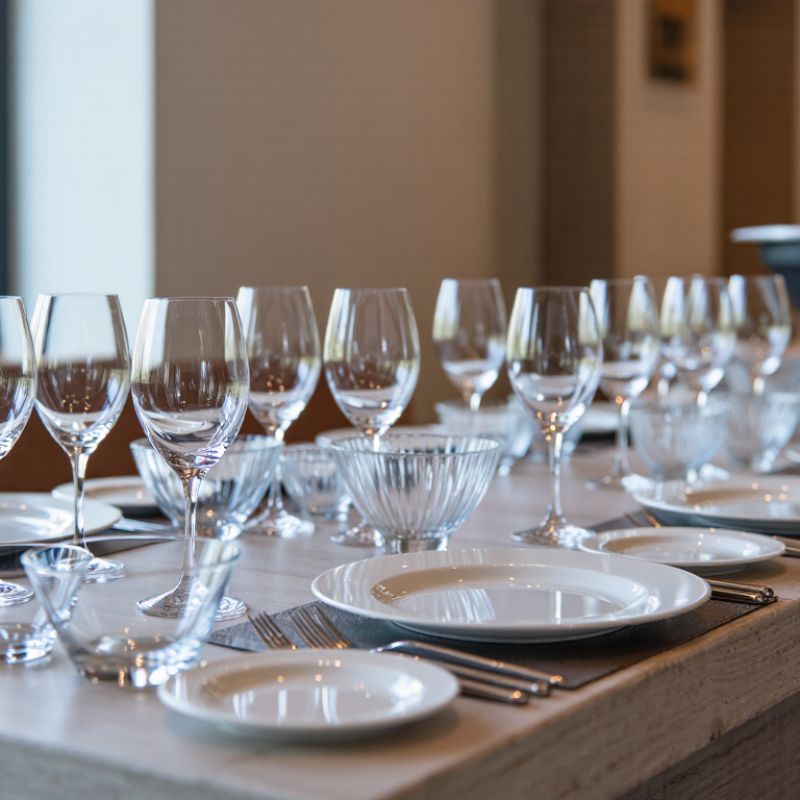
Before choosing glass dishes, map the actual service: menu, table size, peak-hour pace, and washing capacity. A cocktail bar serving small plates needs different shapes from a café offering soups and mains.
The National Restaurant Association’s 2024 State of the Restaurant Industry projected U.S. restaurant sales of $1.1 trillion and employment of 15.7 million. These figures describe a broad, busy sector—not a guarantee for any one business. Still, they underline why dish choice should support repeatable service, not just look attractive in a showroom.
Watch a busy service before ordering. Note how servers stack plates, where dishes chip, and whether rims catch on racks. For frequent washing, compare durable glass options and confirm they fit your dishwasher baskets.
For plated dishes, check that the base feels stable and the usable surface suits your portions. Small details matter. Ask staff to test samples with real food and wet hands.
A plate that looks elegant under display lights may feel awkward when carried with two others. That is easy to overlook. Also estimate replacement needs; an unusual shape may be harder to match later.
The right choice depends on your workflow, and the first sample may still prove wrong.
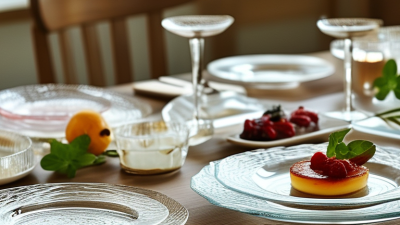
Choosing glass dishes starts with how your business serves food. Soda-lime glass is a common choice for everyday dining and clear presentation. Tempered glass may better handle busy service, but it can still chip or break. Borosilicate glass tolerates temperature changes better than many ordinary glasses, though suitability depends on the product. Check the supplier’s care instructions before buying. Looks matter.
Dish design affects both plating and workflow. Flat plates suit sandwiches, pastries, and composed meals, while shallow bowls hold salads or sauced dishes without crowding the table. Divided dishes can keep sides separate, but they may limit presentation space. For cafés, stackable shapes save shelf room. For catering, lighter pieces are easier to carry, yet may feel less substantial to guests. I would test a small set during a real service; showroom lighting hides awkward stacking and slippery rims.
Tips: Compare weight, rim thickness, and stack height in person. Ask whether the dishes are suitable for your dishwasher and serving temperatures. Test one through repeated washing, and inspect the edges. A slightly imperfect fit on the shelf can become a daily annoyance.
For busy service, inspect glass dishes under bright light before judging their weight or shine. Look for even rims, stable bases, and surfaces without bubbles, chips, or hairline cracks. Small defects matter. They can worsen with repeated stacking and sudden temperature changes. Ask suppliers for documented impact and thermal-shock test results, plus clear guidance on whether dishes tolerate commercial dishwashers. The FDA Food Code 2022 calls for food-contact surfaces to be smooth, durable, and easily cleanable. Apply that principle to plate edges and textured designs, where food residue can hide.
Care requirements affect both safety and replacement costs. Train staff to avoid pouring hot liquids into cold dishes, and use racks that prevent pieces from knocking together. Check dishwasher instructions for approved temperatures, detergents, and drying methods; “dishwasher-safe” alone may not describe repeated commercial cycles. The U.S. EPA’s 2018 materials report estimated that 12.3 million tons of glass entered the U.S. waste stream, while 3.1 million tons were recycled—a 25 percent rate. That figure covers all glass, not restaurant dishes, but it highlights the value of reducing breakage. Still, no care plan prevents every chip. Establish a simple inspection routine, and remove damaged pieces from service rather than hoping they will last one more shift.
A reliable supplier should answer specific questions clearly, not just send a polished catalogue. Request samples and check each dish under ordinary kitchen lighting. Look for uneven rims, cloudy patches, sharp edges, and wobbling bases. Ask how the supplier defines acceptable variation and handles damaged pieces. Written quality standards help when a later shipment looks different. I may be overcautious, but vague answers about inspections deserve a follow-up.
Compare the full delivered cost, not only the quoted price per dish. Include protective packaging, freight, duties where applicable, and likely breakage during transit. Ask whether prices change at different order volumes, and confirm how long each quote remains valid. A low price can hide costly packing compromises. Details matter. Check whether the supplier can support repeat orders with consistent dimensions and finish, especially if dishes need to fit existing shelves or service equipment.
Minimum order quantities can tie up cash and storage space, particularly when several sizes or shapes are involved. Ask whether the MOQ applies to the total order or to each design, and whether a smaller paid trial is possible. Estimate how many units your business can use before the next reorder; a warehouse full of slow-moving plates is not a win. Confirm production and delivery timelines in writing, along with payment milestones and the process for reporting defects. A spreadsheet can still mislead if it assumes every piece arrives intact.
A glass dish has to survive more than a careful display. It may carry hot food, pass through a dishwasher, and stack in a crowded kitchen. Start with the actual menu and service routine. A shallow dish suits pastries or shared sides, while deeper walls help contain sauces. Check the weight, rim thickness, and whether staff can lift a full dish comfortably. Small details matter.
Compare cost over time, not just the price per piece. A cheaper set can become costly if its shapes are hard to replace or its pieces chip during frequent handling. Ask suppliers about replacement availability, care instructions, and temperature limits; glass types do not all perform alike. Test a few pieces through normal washing and storage before ordering in volume. It takes a little effort.
Brand appeal comes through in the details guests notice: clear glass that shows layered food, a softly tinted finish, or a shape that fits the table setting. Yet decorative designs may make food harder to see, and unusual sizes can complicate storage. There is no perfect choice. A plain, sturdy dish can feel more considered than an ornate one when it presents the food cleanly. This trade-off is easy to underestimate. Choose a style your team can handle reliably, even on a rushed evening.
| Dish Type | Best Business Fit | Typical Size | Functional Strengths | Care and Heat Notes | Relative Breakage Risk | Indicative Bulk Cost per Piece | Brand Appeal |
|---|---|---|---|---|---|---|---|
| Tempered glass dinner plate | High-volume cafés, cafeterias, and casual dining | 10–11 in (25–28 cm) | Often a practical choice for frequent service; smooth surfaces are easy to clean. | Dishwasher suitability and oven use depend on the product. Follow the supplier’s care instructions. | Medium; tempering can improve impact resistance, but glass can still chip or break. | About US$1.50–4.00 | Clean, understated appearance; works well with many table settings. |
| Opal glass plate | Hotels, catering, and businesses seeking a consistent, bright table setting | 10–11 in (25–28 cm) | Light-colored surface helps food stand out; generally lightweight and stackable. | Check product specifications for dishwasher, microwave, and thermal-shock guidance. | Medium; actual durability varies by design, thickness, and handling. | About US$1.00–3.50 | Simple, uniform look; suitable for a polished but flexible presentation. |
| Borosilicate glass baking dish | Restaurants, bakeries, and businesses serving oven-to-table dishes | About 1–2 qt (0.9–1.9 L) | Useful for baking and transparent food presentation when rated for the intended use. | Use in ovens only when explicitly approved. Avoid sudden temperature changes and follow care guidance. | Medium; thermal-shock resistance does not make the dish unbreakable. | About US$3.00–8.00 | Clear, functional presentation that lets customers see the food. |
| Pressed-glass serving bowl | Buffets, shared dining, and dessert or salad service | About 1–2 qt (0.9–1.9 L) | Available in varied shapes and patterns; suitable for displaying sides and shared dishes. | Confirm dishwasher suitability, especially for bowls with decorative details. | Medium to high; patterned edges and handling conditions can affect chipping risk. | About US$2.00–6.00 | Decorative texture can add visual interest to buffet and table displays. |
| Recycled-glass tumbler | Bars, cafés, and hospitality businesses with a sustainability focus | 10–14 fl oz (300–415 mL) | Suitable for water, soft drinks, and many cold beverages; recycled content can support sustainability goals. | Check the stated recycled content and dishwasher guidance; do not assume heat resistance. | Medium to high; glass thickness and shape vary between products. | About US$1.50–5.00 | Distinctive color or texture can reinforce a considered, eco-conscious presentation. |
Cost ranges are indicative planning estimates in US dollars for bulk purchasing, generally at 500 or more pieces, excluding freight and taxes. Actual prices vary by size, design, order quantity, origin, and supplier. Confirm specifications, certifications, care instructions, and sample quality before ordering.