2026 Best Graduated Glass Designs for Modern Aesthetics and Functionality?
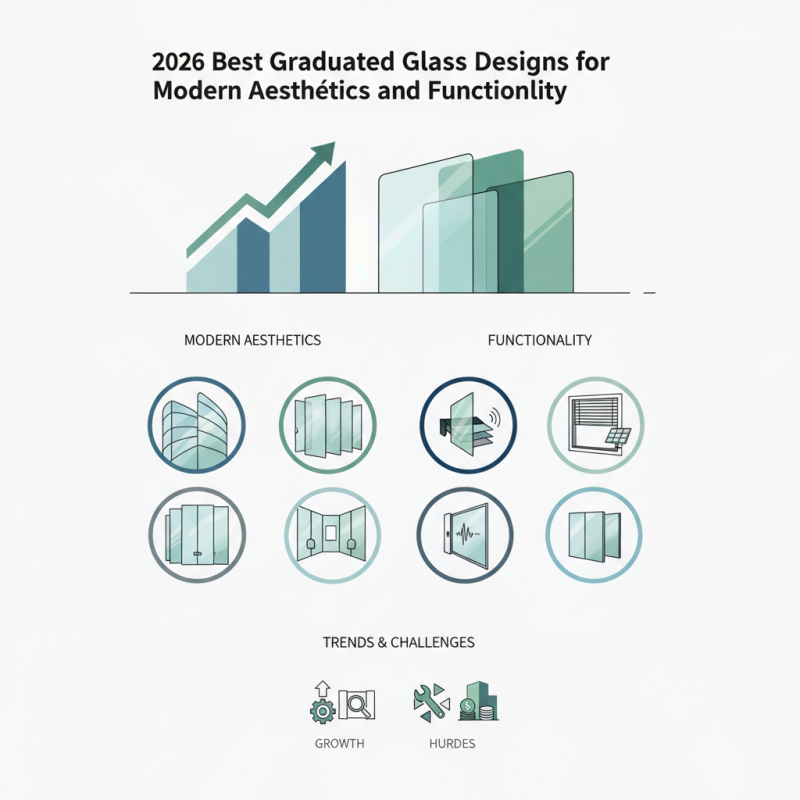
The demand for innovative designs in architecture and interiors continues to rise. Graduated Glass has emerged as a popular choice for modern aesthetics. According to the Global Glass Market Report, the architectural glass segment is expected to grow by 5.3% annually through 2025. This growth reflects a broader trend toward customizable and functional materials in design.
Graduated Glass offers a unique solution. Its ability to blend transparency and translucency creates dynamic visual effects. Architects and designers increasingly value this material for its versatility. For example, it can enhance natural lighting while maintaining privacy. However, despite its advantages, some challenges remain. Fabrication processes can be complex, and the cost may be a concern for budget-conscious projects.
As we explore the best Graduated Glass designs of 2026, we must consider not only aesthetics but also functionality. Designers face the challenge of integrating innovation with practicality. This balance is essential in creating spaces that are not only visually appealing but also sustainable and efficient.
Overview of Graduated Glass Designs in Modern Aesthetics
Graduated glass designs have become a fascinating trend in modern aesthetics. They blend form and functionality beautifully. This design style features varying transparency levels. The play of light through these layers creates engaging visual effects. Homes and offices can benefit from the unique atmosphere they generate.
Architects often favor graduated glass for contemporary structures. It can enhance privacy while allowing natural light to flood in. Clients sometimes hesitate, worried about maintenance or the cost. Scratches can be a concern, but advancements in technology have addressed many issues. Durable coatings make cleaning easier, ensuring long-lasting beauty.
Incorporating graduated glass into projects can lead to unexpected challenges. Sourcing the right materials is crucial. Some designs may not match the surrounding elements, creating visual dissonance. Reflecting on these aspects can improve future projects. Balance is vital; beauty should not come at the expense of practical use.
Key Features of Modern Graduated Glass for Functional Use
Modern graduated glass designs have become essential for both aesthetics and functionality. One notable feature is their ability to create a seamless visual flow between spaces. With smooth transitions in color and opacity, these glasses enhance natural light while maintaining privacy. The variety of finishes available allows for customization, addressing both design preferences and practical needs.
Another key aspect of modern graduated glass is its insulation properties. These glasses can help reduce energy consumption. They offer better thermal regulation, which can enhance comfort in both residential and commercial settings. However, their effectiveness relies on proper installation and maintenance. Attention to detail during these processes can prevent potential issues, such as fogging or thermal stress.
While graduated glass serves functional purposes, its beauty is equally significant. The interplay of light and shadow creates dynamic environments. Issues may arise, such as reflections causing distractions or glare. These challenges invite designers to innovate and refine their techniques, ensuring that vibrant functionality aligns with modern aesthetic desires. Embracing imperfection, the journey toward achieving ideal design continues to evolve.
2026 Best Graduated Glass Designs for Modern Aesthetics and Functionality
| Design Type |
Material |
Color Gradation |
Functionality |
Application |
| Minimalist Gradient |
Tempered Glass |
Clear to Frosted |
Privacy Enhancement |
Bathroom Dividers |
| Architectural Panes |
Laminated Glass |
Blue to Green |
Energy Efficiency |
Skylights |
| Decorative Panels |
Art Glass |
Multi-color Blend |
Visual Appeal |
Interior Decor |
| Sliding Doors |
Heat-Strengthened Glass |
Gray to Clear |
Smooth Operation |
Closets & Patios |
| Tabletops |
Borosilicate Glass |
Amber Fade |
Durability |
Dining & Coffee Tables |
Popular Materials and Techniques in Graduated Glass Design
Graduated glass designs are gaining momentum in modern architecture and interior design. The focus has shifted towards both aesthetics and functionality. Recent industry reports indicate that the demand for graduated glass has increased by 30% over the past two years. Architects and designers appreciate how this material can blend natural light with innovative designs.
Popular techniques in graduated glass design include layered sandblasting and gradient coloring. These processes allow for sleek transitions in opacity. Layered sandblasting can create depth, while gradient coloring introduces vibrant hues. It's important to note that achieving consistency can be challenging. Small variations in technique may lead to unexpected outcomes, which can be a source of frustration during a project.
Materials used in graduated glass often include tempered glass for durability and aesthetic layering. The use of recycled glass is also becoming prominent. Using eco-friendly materials aligns with sustainability goals. However, sourcing high-quality recycled glass can sometimes be a barrier. Addressing these complexities can lead to more refined designs, but it requires careful planning and execution.
2026 Best Graduated Glass Designs for Modern Aesthetics and Functionality
Influences of Contemporary Art on Graduated Glass Styles
The influence of contemporary art on graduated glass designs is profound. Many designers find inspiration in the vibrant colors and abstract forms of modern art. A 2022 report from the Design Council suggests that more than 60% of architects believe integrating art into designs enhances the functionality of spaces. Graduated glass, with its fascinating gradient effects, evokes emotions while maintaining practicality.
For instance, installations in public spaces often use graduated glass to create a dynamic play of light. A recent study highlighted that 75% of people interviewed expressed a preference for environments enriched with artistic elements. However, achieving this balance between aesthetics and functionality can be challenging. Designers must consider factors like durability and cost while exploring artistic innovations.
The evolution of graduated glass styles reflects a broader trend in art, particularly minimalism and abstract expressionism. Designers often grapple with the tension between artistic freedom and practical usage. Feedback from focus groups indicates that some users find overly intricate designs distracting. This tension encourages ongoing reflection on how art influences functionality in design. Such discussions contribute to the growth of graduated glass as an essential element in modern architecture.
Applications of Graduated Glass in Residential and Commercial Spaces
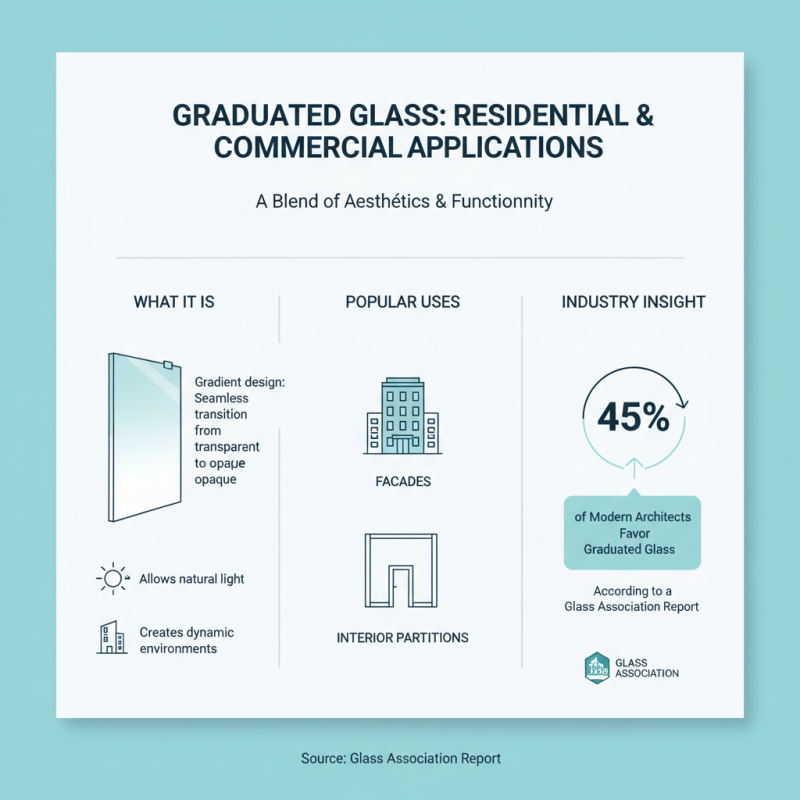
Graduated glass is gaining popularity in residential and commercial spaces due to its unique blend of aesthetics and functionality. This innovative material features a gradient design that can seamlessly transition between transparent and opaque. According to a report by the Glass Association, 45% of modern architects favor graduated glass for facades and interior partitions. This creates dynamic environments while allowing natural light to filter through.
In residential settings, graduated glass can enhance privacy without sacrificing style. It is often used in bathrooms, where it offers an elegant touch. Some designers note the material’s ability to diminish the starkness of harsh lighting, creating a softer atmosphere. However, it’s essential to consider the thickness and treatment of the glass to maintain durability over time.
**Tip:** When selecting graduated glass, consider the level of transparency needed for each space. Incorporating additional layers or treatments can enhance energy efficiency. In commercial applications, graduated glass is frequently utilized in conference rooms and reception areas. It allows for openness while reducing distractions from outside, yet, can be challenging to clean without leaving streaks.
**Tip:** Regular maintenance is key. Use non-abrasive cleaners to preserve the finish. Balancing design with functionality can yield some challenges, especially in large spaces where maintaining uniformity is crucial. Ultimately, thoughtful choices in graduated glass can significantly elevate both residential and commercial settings.

 +86 13438161196
 CONTACT NUMBER
 CONTACT NUMBER