2026 Best Colored Glass Tumblers for Global Buyers?
Choosing the best Colored Glass Tumblers for global buyers involves more than comparing attractive colors. A tumbler may look elegant under showroom lighting, yet appear dull beside a sunny kitchen window. Buyers must examine glass clarity, wall thickness, rim comfort, base stability, and color consistency across production batches. Small details matter. Very much.
Dale Chihuly, a respected glass artist and authority on contemporary glassmaking, once said, “Glass is the most magical of all materials.” His words capture the appeal of colored glass, but magic cannot replace careful evaluation. Reliable buyers should request food-contact documentation, material testing, capacity measurements, and clear information about lead and cadmium content. They should also check dishwasher guidance, thermal-shock resistance, packaging strength, and replacement policies. Local requirements may differ between markets, so professional verification remains important.
This guide compares leading Colored Glass Tumblers through a practical global-buyer lens. It considers design, usability, manufacturing consistency, shipping risk, and long-term value. A vivid cobalt tumbler can photograph beautifully, but uneven tinting may reveal quality problems. A thick base can improve balance, though it may increase freight weight. Not every attractive option is efficient.
Some judgments remain subjective. Personal taste changes. Even careful testing has limits. Still, transparent specifications and real-world handling provide stronger evidence than decoration alone. The best choice should fit the buyer’s table, budget, safety expectations, and market needs.
What Are Colored Glass Tumblers and Why Are They Popular in 2026?
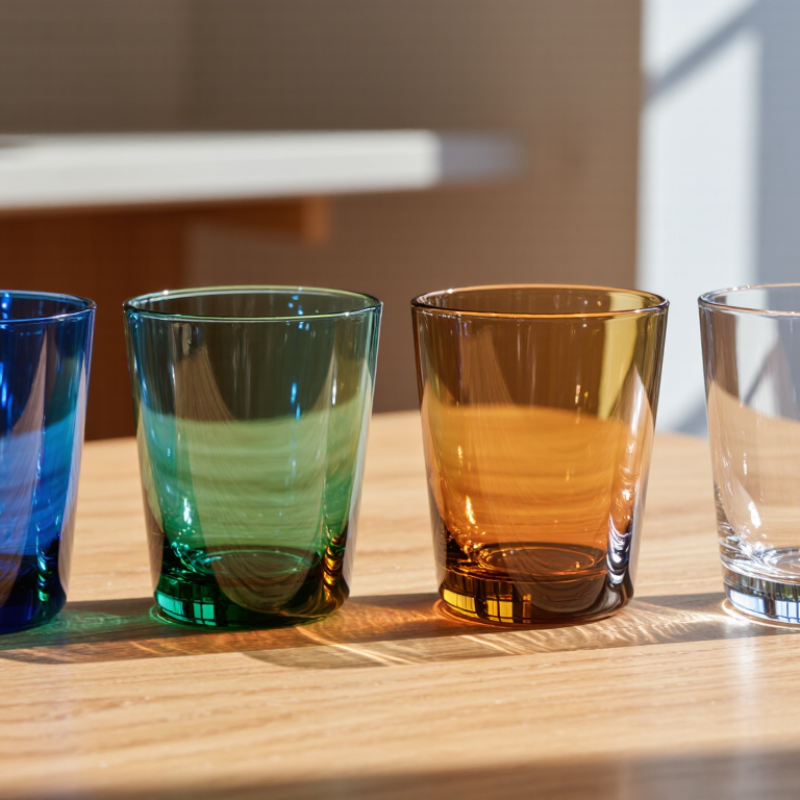
Colored glass tumblers are drinking glasses made with colored glass or a durable color layer. The shade may run through the glass or sit on its surface. This difference affects scratch resistance, fading, and care instructions. In 2026, buyers notice more than appearance. They want useful design. A smoky amber tumbler can soften a dining table, while cobalt blue creates clear visual contrast. Color also helps hospitality teams identify drinkware at busy service points.
Their popularity comes from sensory appeal and everyday practicality. Glass does not retain flavors easily when cleaned correctly. It also lets users see water, juice, ice, and layered drinks. That visibility supports portion awareness and creates a stronger serving experience. Reusable tumblers can replace some disposable cups in homes, offices, and events. However, reuse is not automatically sustainable. Weight, breakage, shipping distance, and packaging influence the real footprint. Careful sourcing matters. Buyers should request material details, capacity, rim dimensions, heat limits, and food-contact test documents.
For global purchasing, color consistency deserves special attention. A sample may look different under warehouse lighting or warm restaurant lamps. Ask for production samples and an approved color reference. Check whether the finish is dishwasher-safe, hand-wash only, or unsuitable for hot liquids. Some colored coatings wear sooner than expected. That is an honest limitation. Packaging should separate each tumbler and protect the rim from impact. Reliable suppliers explain tolerances, replacement procedures, and testing rather than promising perfection. Those details often decide whether an attractive sample performs well in daily use.
How to Evaluate Suppliers, Certifications, Pricing, and Global Shipping
For global buyers, the best colored glass tumbler means verified performance, not the brightest shade. Ask suppliers for factory details, production capacity, export references, and recent batch records. Request samples from the same furnace and decoration line. Color can shift after firing. Check rim smoothness, wall thickness, volume, thermal-shock resistance, and dishwasher performance. A beautiful sample proves little. I learned that the hard way.
For food contact, require applicable declarations, migration tests, and heavy-metal results. Standards differ by destination. EU buyers commonly need Regulation (EC) No 1935/2004 and GMP Regulation (EC) No 2023/2006. US shipments need evidence aligned with FDA food-contact requirements. Ask whether an accredited ISO/IEC 17025 laboratory issued the report. Treat “FDA certified” as vague unless documents identify the material, method, and production date. Independent factory audits help, but they do not replace product testing.
Compare landed cost, not unit price. Include molds, color minimums, inner cartons, breakage allowance, inspection, duties, insurance, and Incoterms. UNCTAD’s Review of Maritime Transport 2024 states that over 80% of world trade by volume moves by sea. Port choice and congestion matter. The World Bank’s 2023 Logistics Performance Index used 4,090 evaluations across 139 economies. It highlights customs, tracking, and timeliness as practical filters. Request a carton drop-test video and a pilot shipment. Small flaws become expensive. I would keep a ten-percent contingency because freight estimates are rarely stable.
2026 Best Colored Glass Tumblers for Global Buyers
Recommended supplier evaluation weighting for certifications, pricing, quality, and global shipping
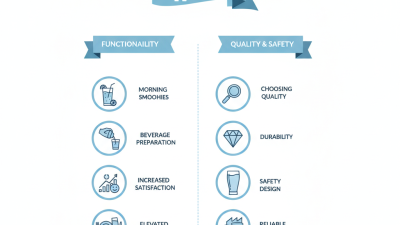
This procurement benchmark gives the highest priority to product safety and quality consistency. Buyers should verify food-contact compliance for the destination market, color and coating durability, total landed cost, minimum order quantity, production lead time, protective packaging, and export documentation before approving a supplier.
Which Colored Glass Tumbler Options Suit Different Buyer Needs?
Choosing the right colored glass tumbler depends on how, where, and by whom it will be used. Daily home users often prefer medium-sized tumblers with stable bases, smooth rims, and dishwasher-safe surfaces. Transparent colors, such as blue, amber, or green, make drinks look attractive without hiding sediment or ice levels.
Color matters.
For restaurants and hospitality buyers, stackable shapes and consistent capacity can reduce storage problems. Thick soda-lime glass usually offers practical durability for busy service areas. Borosilicate glass suits buyers who value lighter weight and better thermal-shock resistance, although it may cost more. Buyers serving hot and cold drinks should check the manufacturer’s temperature guidance carefully.
Never assume every colored tumbler handles sudden temperature changes safely.
Gift retailers and design-focused buyers may choose textured, recycled, or hand-finished glass. These options create a stronger visual identity, but small bubbles, color differences, and uneven textures can appear. That is not always a defect. It may reflect the production method. Still, wholesale buyers should request samples before placing large orders. I have found that printed color charts rarely match glass under restaurant lighting.
Measure carefully.
Review rim thickness, base stability, packaging strength, cleaning instructions, and food-contact documentation for the target market. A reliable supplier should provide clear specifications and explain whether the color is integrated into the glass or applied as a surface coating. Surface finishes can require gentler washing.

 +86 13438161196
 CONTACT NUMBER
 CONTACT NUMBER