How to Choose the Right Water Glass for Your Needs?
Choosing the right water glass can significantly impact your hydration experience. A water glass is not just a simple vessel; it enhances your drinking routine. With various styles and materials available, it’s worth understanding what suits your needs best.
Consider factors like size, shape, and material. A larger glass may hold more liquid, perfect for staying hydrated throughout the day. On the other hand, a smaller glass can encourage mindful drinking. Materials like glass, stainless steel, or even silicone each offer distinct benefits and drawbacks. Glass is elegant but can be fragile. Stainless steel is durable but may affect the drink's temperature.
Evaluate your lifestyle too. Do you often travel or enjoy outdoor activities? A lightweight, shatterproof water glass might be ideal. Reflect on personal habits as well; some might prefer a wider rim for easy sipping. Many options exist, but a thoughtful choice can lead to better hydration. In the end, it is about finding a balance between practicality and aesthetics.
Understanding the Different Types of Water Glasses Available
Choosing the right water glass can enhance your drinking experience. There are various types available, each serving a unique purpose. Understanding the differences is essential to meet your needs.
First, consider the material. Glass is popular for its durability. Stainless steel offers insulation. Plastic is lightweight and portable. Each material can affect taste and temperature. Select one based on your lifestyle.
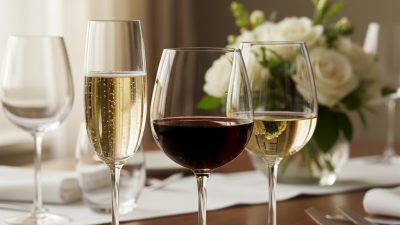
For design, look at shapes and sizes. A tall glass is ideal for water; a short one works well for juice. The rim should feel comfortable against your lips. Pay attention to clarity, too. A clear glass feels more inviting.
Tips: Always check for quality. Look for glasses that are sturdy yet elegant. Experiment with different designs. It can be fun to find the one that suits you best. Reflect on your daily habits. How often do you drink water? Your routine can guide your choice effectively.
How to Choose the Right Water Glass for Your Needs?
| Type of Water Glass |
Material |
Capacity (ml) |
Ideal For |
Pros |
Cons |
| Classic Water Glass |
Glass |
350 |
Everyday Use |
Durable, Elegant |
Can break easily |
| Travel Water Bottle |
Plastic/Stainless Steel |
500 |
Outdoor Activities |
Portable, Lightweight |
May retain odors |
| Insulated Glass |
Double Wall Glass |
400 |
Hot & Cold Drinks |
Maintains temperature |
More expensive |
| Acrylic Tumbler |
Acrylic |
300 |
Pool & Outdoor Use |
Shatterproof, Lightweight |
Less durable than glass |
| Stemless Wine Glass |
Glass |
400 |
Casual Dining |
Stylish, Versatile |
Less formal |
Evaluating Material: Glass, Plastic, and Other Options
When choosing a water glass, consider the material carefully.
Glass, plastic, and other materials offer distinct benefits and drawbacks. According to a study by the National Sanitation Foundation, glass is often favored for its safety and non-reactive properties. It doesn’t leach chemicals, making it a healthier choice for drinking water. Many experts also highlight its aesthetic appeal and recyclability.
Plastic, while lighter and more convenient, raises concerns about long-term health effects. Research shows that certain plastics may release harmful substances, particularly when exposed to heat. A report from the Environmental Protection Agency indicates that BPA-free plastics reduce risks, yet some people still prefer the purity of glass.
Other options, like stainless steel, provide durability and insulation. However, they typically cost more than traditional glass or plastic. A survey from the Food and Beverage Association found that 70% of consumers prioritize the safety and taste of their beverages, which often leads them back to glass. This choice isn’t without its challenges; glass may break more easily than plastic, requiring more careful handling.
Considering Size and Capacity for Your Hydration Needs
When selecting the right water glass, considering size and capacity is crucial for your hydration needs. A standard glass typically holds 8 to 12 ounces. However, keeping your hydration habits in mind can help you make the right choice. According to the National Institutes of Health, the average adult male requires about 3.7 liters of total water daily, while females need about 2.7 liters. This translates to roughly 15 to 19 cups of water.
Tips: Choose a glass that complements your daily water goal. For instance, if you prefer smaller portions, opt for a 10-ounce glass. It’s handy for sipping while working or studying. On the other hand, if you need to increase your intake, larger glasses of 16 ounces or more can help.
The shape and design also matter. Tall, narrow glasses can make a larger volume feel less daunting. On the flip side, wide glasses facilitate ice addition, keeping your drink cool. However, don’t overlook the potential downsides, like overfilling or spilling. Sometimes, people underestimating their hydration needs can lead to dehydration. Assess your daily activities and adjust sizes accordingly. The right glass can improve your hydration experience significantly.
Design and Aesthetics: Choosing a Style That Fits Your Preferences
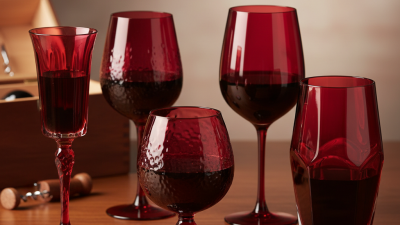
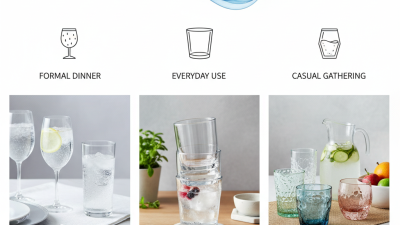
When it comes to selecting a water glass, design and aesthetics play a crucial role. Your choice should reflect your personal style and the atmosphere of your home. A sleek, minimalist design may suit modern interiors, while a more ornate glass could enhance a traditional setting. Think about the colors, shapes, and textures that resonate with you.
Consider how these elements influence your drinking experience. A tall, elegant glass can elevate a casual gathering. Meanwhile, a sturdy tumbler might be ideal for everyday use. Pay attention to details like the thickness of the glass and how it feels in your hand. Is it comfortable to hold? These subtleties matter more than they may seem.
Don’t be afraid to mix and match styles. Experiment with different glasses for various occasions. Perhaps your collection includes vintage finds and contemporary pieces. This can create a unique, personalized setting that sparks conversation. Own your choices, even if they seem unconventional. After all, design is deeply personal.
Assessing Durability and Maintenance for Long-Term Use
Choosing the right water glass goes beyond aesthetics. Durability and ease of maintenance play crucial roles in your decision. A glass that chips easily can detract from your experience. Look for materials that can withstand daily use. Whether you opt for glass, acrylic, or stainless steel, each has its strengths and weaknesses.
Glass offers a classic appeal but can break. Acrylic is lightweight and shatter-resistant, though it may scratch over time. Stainless steel is durable and insulated but may not suit everyone’s taste. You may find that your choice reflects your lifestyle. If you’re active, a sturdy option is essential.
Regular cleaning is vital for longevity. Some materials require special care to maintain their appearance. It’s easy to overlook, but neglect can lead to stains or odors. Think about how often you want to clean your glass. Finding a balance between durability and easy maintenance can enhance your daily experience. Ultimately, consider how your choices impact your routine and decide what truly serves your needs.
Durability and Maintenance of Different Types of Water Glasses
This chart illustrates the durability ratings of various types of water glasses based on a scale of 1 to 10. Assessing durability is crucial for choosing the right water glass for your long-term needs, ensuring it can withstand daily use and maintain its functionality.

 +86 13438161196
 CONTACT NUMBER
 CONTACT NUMBER