 +86 13438161196








0102030405
Which is healthier, glass cup or plastic cup?
2025-12-05
When choosing a drinking cup, we often face the choice between Glass Cups and plastic cups. Each type of cup material has its unique advantages and disadvantages, so choosing which cup to use is not only a matter of personal preference, but also closely related to our health. In this article, we will explore in detail the advantages and disadvantages of glass and plastic cups, as well as their impact on health, in order to help everyone make wise choices.
The advantages of glass cups
- Healthy and harmless
Glass is a natural material that does not contain any harmful chemicals. In contrast, some plastic cups may release harmful chemicals such as bisphenol A (BPA). Glass cups do not undergo chemical reactions with beverages during use, making their healthiness more reliable.
- Easy to clean
Glass cups are not easy to absorb odors and pigments, so they are very convenient to clean. Even when washed in a dishwasher, the glass cup can maintain its cleanliness and transparency, making it less likely to leave residue.
- Environmentally friendly and recyclable
Glass is a completely recyclable material that does not decompose into harmful substances during the recycling process. In contrast, the recycling process of plastic is more complex and the recycling rate is lower. Therefore, using glass cups is more environmentally friendly and has a smaller burden on the environment.
- Beautiful and elegant
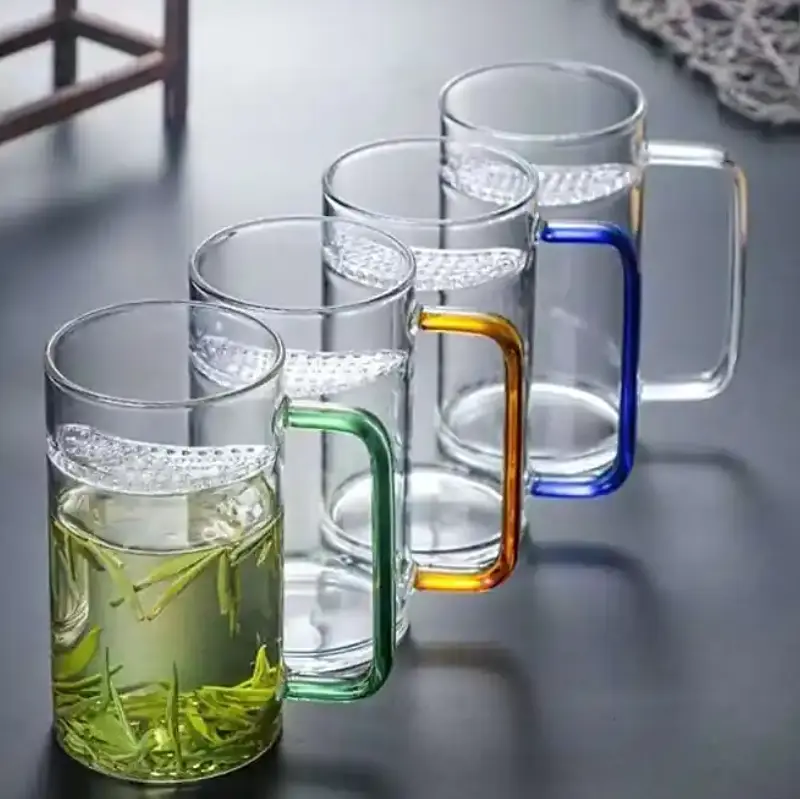
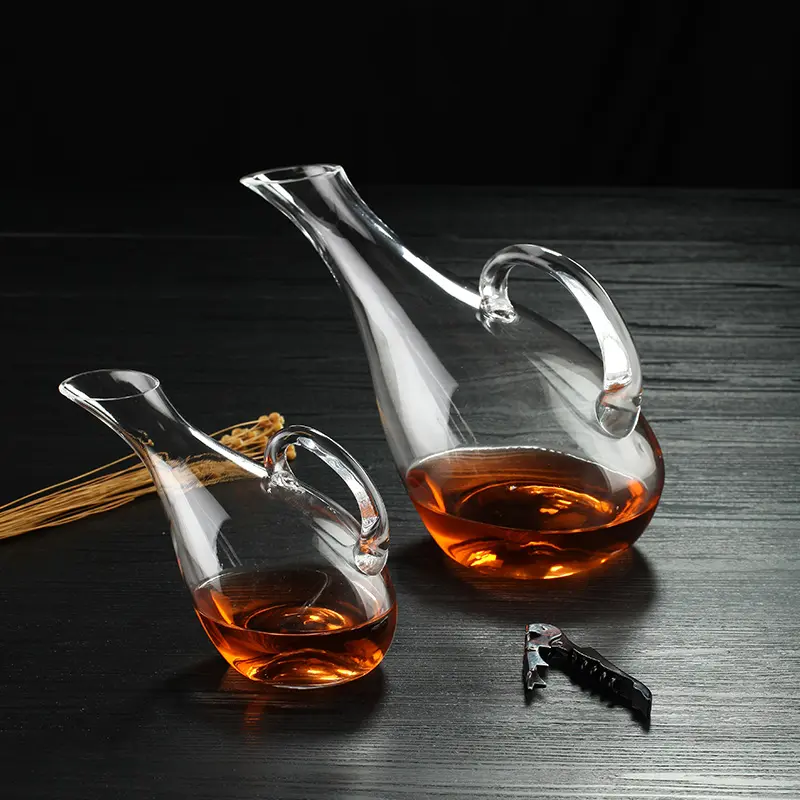
Glass cups usually have a beautiful appearance, and the transparent texture can make the color of the drink more tempting. Whether at home or in the office, glass cups can add an elegant and refined feeling.
- Good heat resistance
High quality glass cups, such as Borosilicate Glass, have good heat resistance and can hold hot drinks without easily breaking. This makes the glass cup more suitable for drinking hot beverages such as coffee and tea.
Disadvantages of glass cups
- Fragile
The biggest drawback of glass cups is their fragility. Even heat-resistant glass is prone to breakage when subjected to severe impacts or drops. Therefore, extra caution is required when using glass cups, especially in households with children or pets.
- Heavy
Glass cups are relatively heavy and not suitable for carrying around. If it is necessary to use it during outdoor activities, carrying a glass cup may increase the burden.
The advantages of plastic cups
- Lightweight
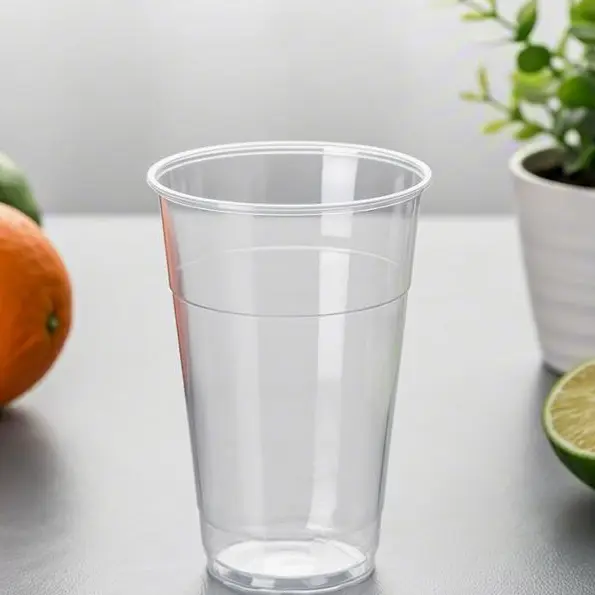
Plastic cups are very lightweight and suitable for carrying outside. Whether it's picnicking, traveling, or exercising, plastic cups are a convenient choice.
- Not easily damaged
Compared to glass cups, plastic cups are less prone to breakage and are particularly suitable for use in households with children. Even if it falls to the ground, the plastic cup will not easily shatter, greatly reducing the trouble of cleaning up broken objects.
- Multiple designs
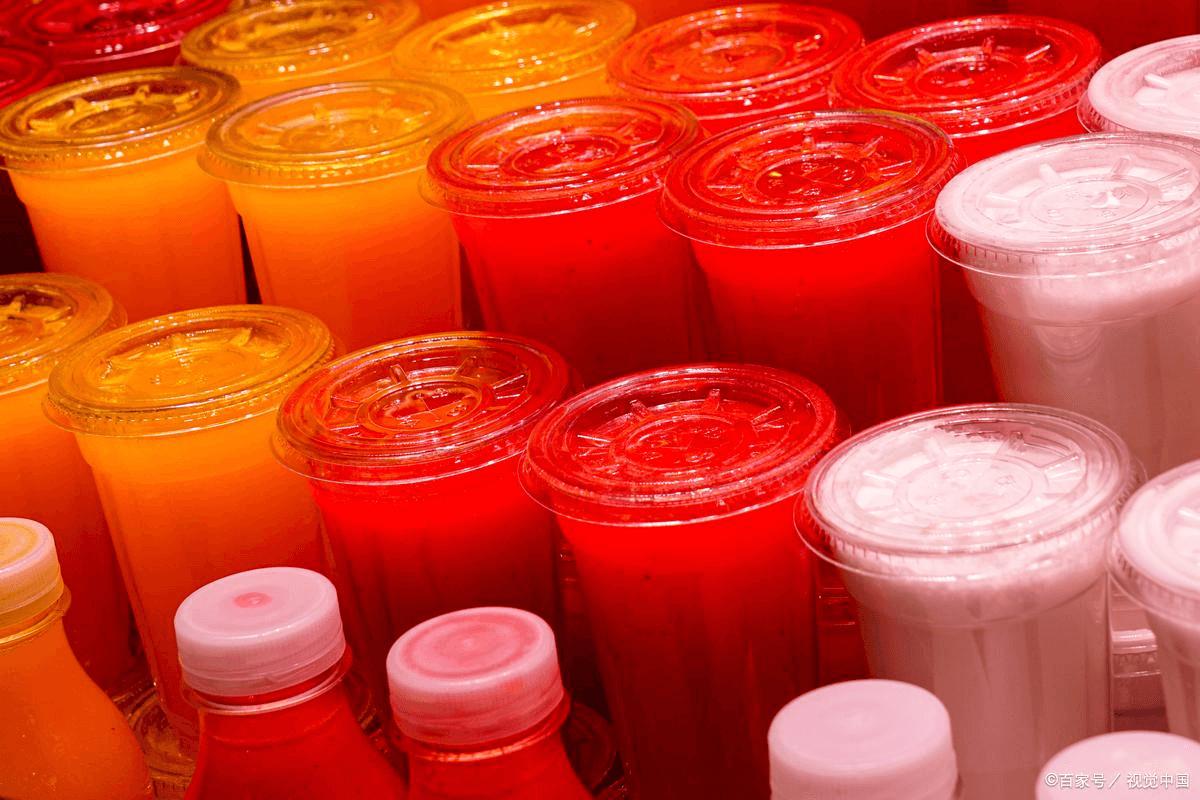
Plastic cups have a wide range of design options and can be made in various colors and shapes to meet the personalized needs of different consumers. Some plastic cups also come with accessories such as straws and lids, which increase the convenience of use.
- Affordable prices
Plastic cups have lower manufacturing costs, so their prices are usually cheaper than glass cups. For consumers with limited budgets, plastic cups are an affordable choice.
Disadvantages of Plastic Cups
- Release of chemical substances
Some plastic cups may contain BPA or other harmful chemicals. At high temperatures, these chemicals may be released into beverages, posing potential risks to health. Although there are already many plastic cups labeled as "BPA free" on the market, their safety still needs further verification.
- Easy to adsorb odors and pigments
Plastic cups are prone to absorbing odors and pigments from beverages, and over time, the cups may become difficult to clean, affecting the user experience. This is particularly evident when drinking colored beverages such as coffee and tea.
- Poor heat resistance
The heat resistance of plastic cups is usually inferior to that of glass cups. If used to hold hot drinks, it is prone to deformation and even release harmful substances. Therefore, plastic cups are usually not suitable for holding hot drinks.
- Environmental issues
The recycling process of plastics is complex and the recycling rate is low. Moreover, plastics will decompose into microplastics during the degradation process, causing pollution to the environment. Therefore, in the long run, plastic cups have a greater burden on the environment.