
 +86 13438161196


0102030405
The surface treatment process of glass cups
2025-06-10
The surface treatment process of Glass Cups mainly includes the following:
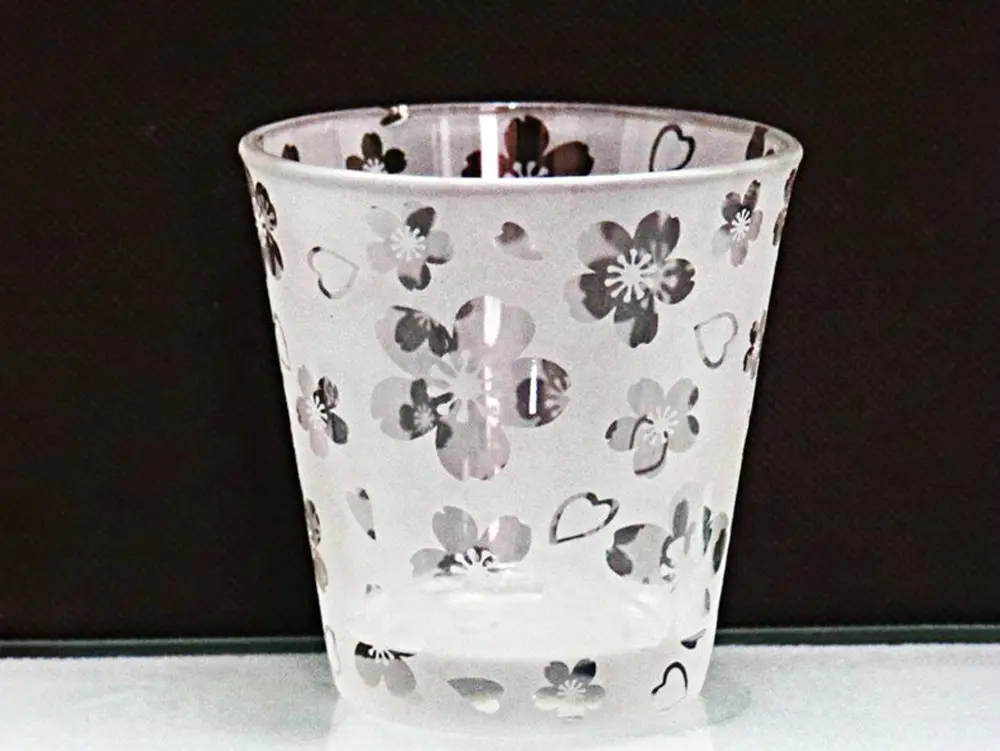
1. Sandblasting: changing the surface morphology of materials through physical methods, increasing the texture or pattern of glass surfaces, and improving the anti slip performance of glass cups.
2. Polishing: Using chemical or physical methods to remove wrinkles, scratches, and other defects on the surface of glass, improving its transparency and refractive index. Polishing methods include fire polishing, polishing powder polishing, and acid polishing.
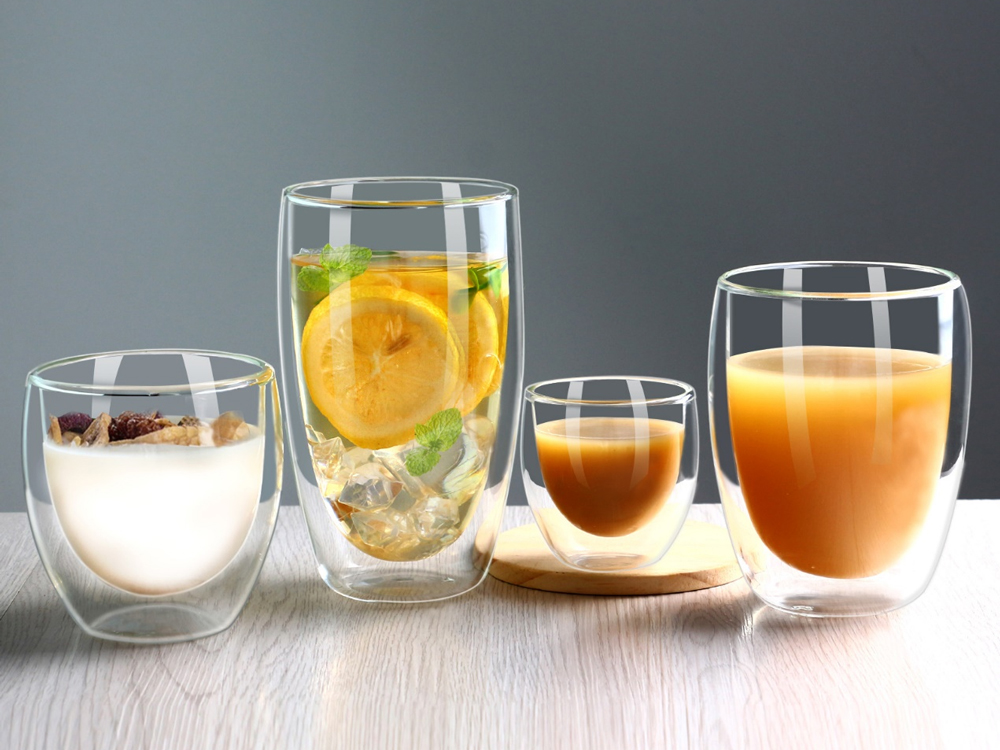
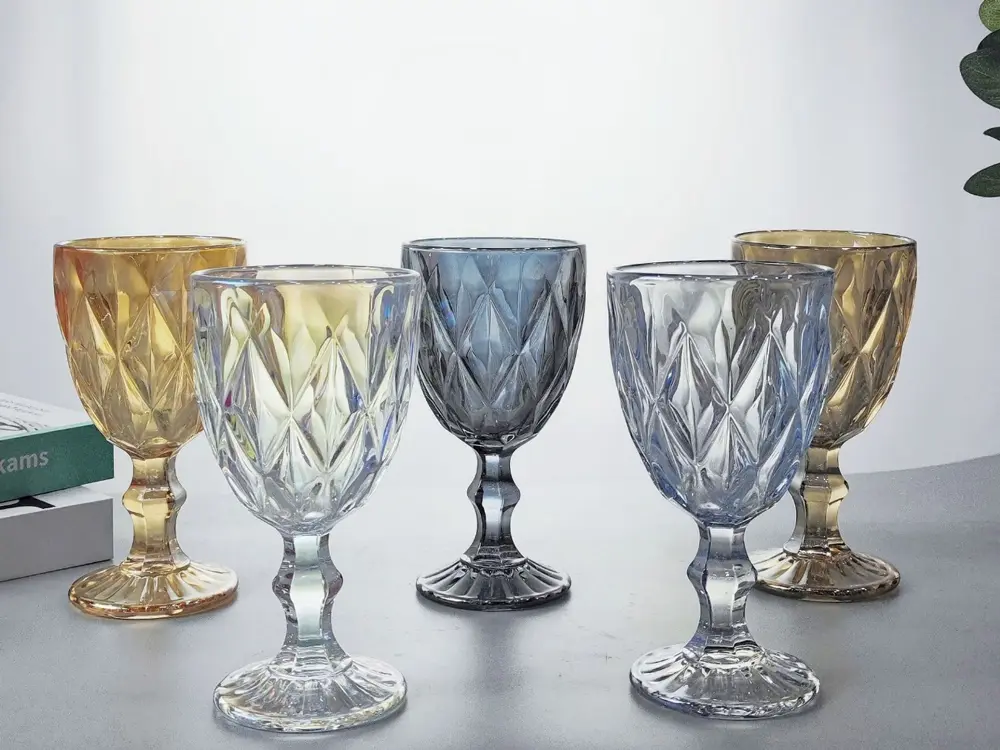
3. Electroplating/Coating:Coating metal or other special coatings on the surface of glass cups to enhance their electromagnetic signal transmission, heat insulation and anti scalding properties. For example, coated heat-resistant glass cups are made by coating the surface of Transparent Glass cups with a layer of metal film or special coating.
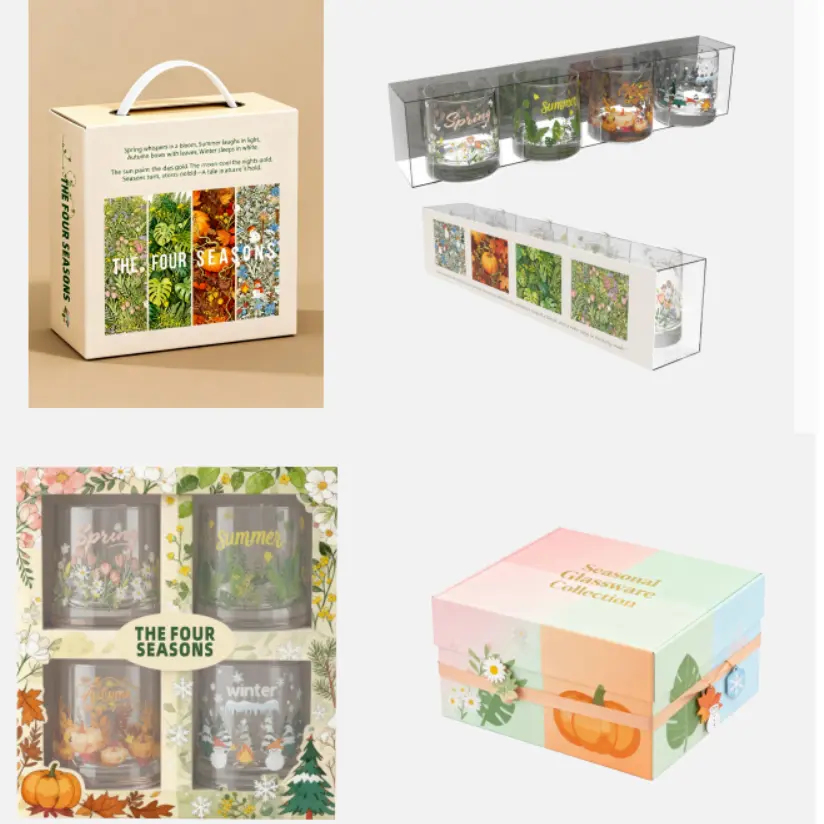
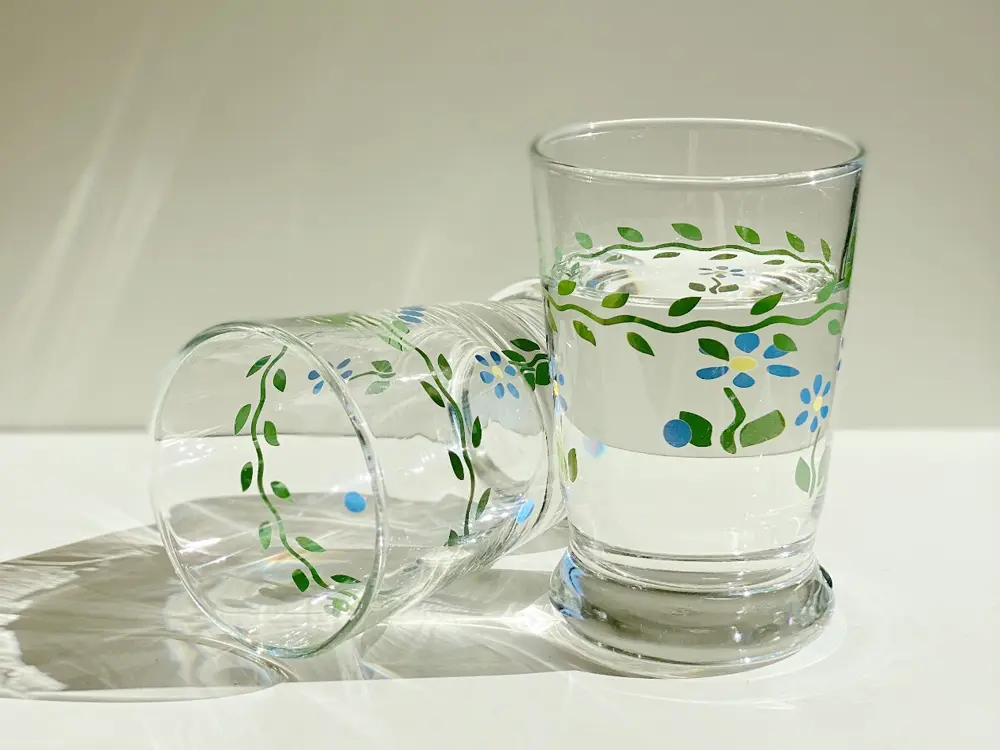
4. Color fusion printing and heat transfer printing: Printing various patterns and colors on the surface of glass cups to increase aesthetics and personalization. Color fused spray glass cups are made by spraying colored glass particles onto the surface of transparent glass cups using a spray gun, and then melting them at high temperatures to form various patterns and textures.
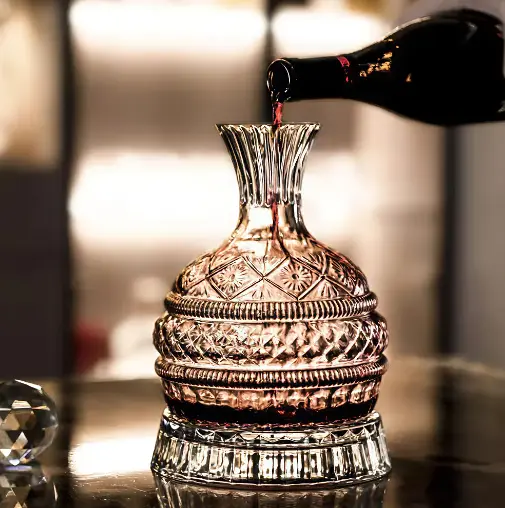
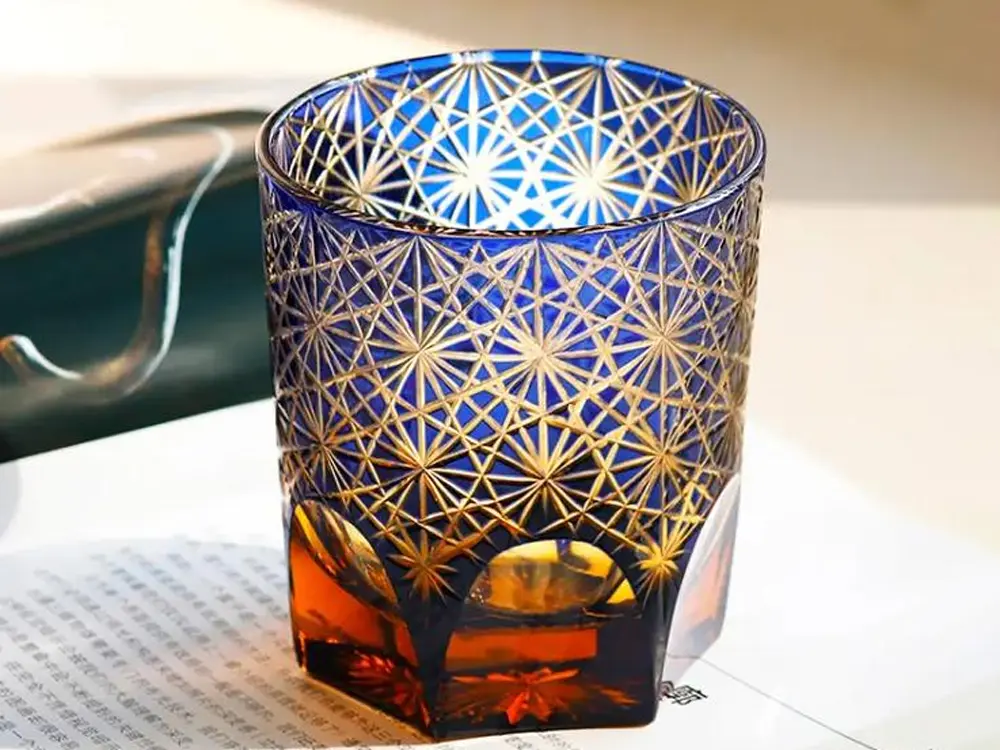
5. Carving treatment: Various patterns or designs are engraved on the surface of glass cups through physical or chemical methods to enhance artistic sense.
6. Antibacterial coating: Apply antibacterial coating on the surface of the glass cup to effectively inhibit bacterial growth and ensure healthy drinking water.
7. Intelligent temperature sensing coating: enables the glass cup to sense the temperature of the beverage and provide warm reminders.
8. Decal paper process: Wet flower paper is attached to the surface of glass products, scraped with an elastic scraper, dried, and then baked in a baking oven to form decorative patterns.
In addition, there are treatment processes such as tempering and ion exchange to strengthen the surface of glass, in order to improve the hardness and wear resistance of glass cups and extend their service life.
These surface treatment processes can be selected and combined according to customer needs and product design to meet different usage requirements.