
 +86 13438161196


0102030405
The Development History of Glass
2025-06-10
1.1 Origin of World Glass
According to relevant historical records, tracing back to around 3000 BC to 2000 BC, the people of Egypt or Mesopotamia had already developed relatively mature glass manufacturing technology. There is also a legend that over 3000 years ago, Phoenician merchants discovered crystals produced by a chemical reaction between a mineral called "natural soda" (some say saltpeter) and quartz sand on the beach under the action of flames, which is the earliest form of glass. The Phoenicians naturally did not miss out on potential commercial opportunities. They used this chemical reaction to produce a large amount of crude sand, gravel, soda ash, and fused glass beads, which were sold everywhere. While gaining a lot of profits, they also promoted the first popularity of glass in the world, allowing many countries that had trade relations with the Phoenicians to have their first exposure to beautiful glass.
The Phoenicians' Fiennes and Ferret glasses are considered pioneers of glassware. The development of early glass went through four main periods: the ancient civilization era (around 3500 BC to 1000 BC), the classical civilization era (around 100 BC to 500 AD), the medieval civilization era (around 500 AD to 1500 AD), and the Renaissance and 17th to 19th century era (around 1500 AD to 1890 AD). Afterwards, the current social situation gradually formed, with specialty glass, art glass, decorative glass, and architectural glass dominating.
2. Application of Glass
2.1 Application of Glass in History
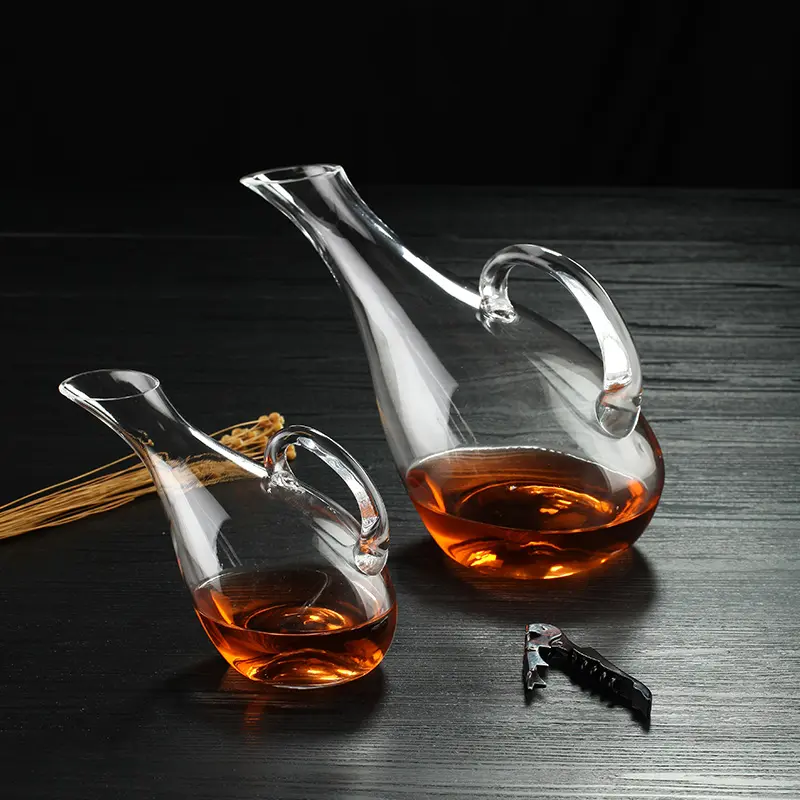
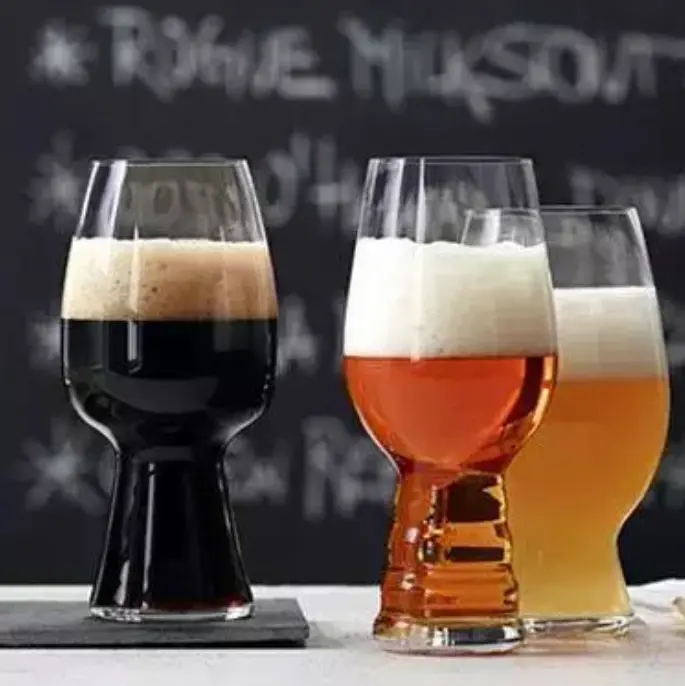
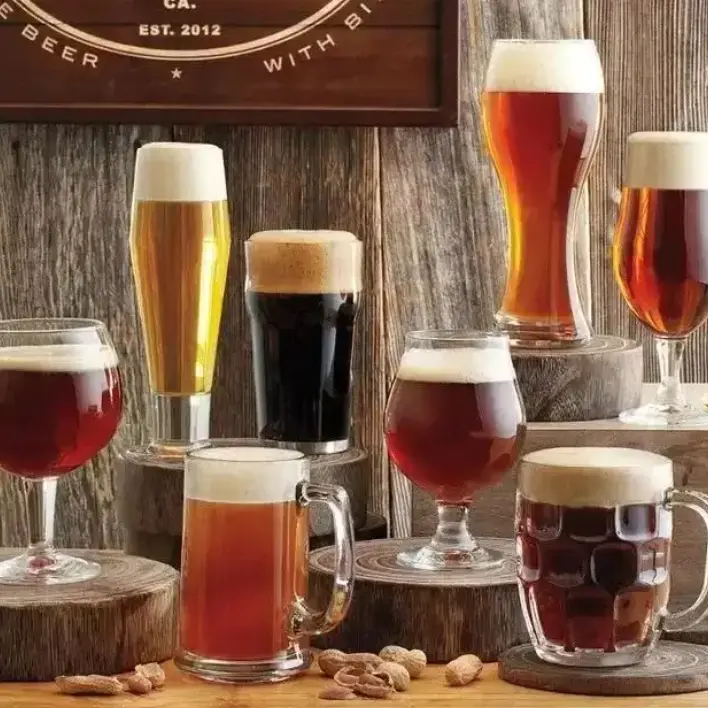
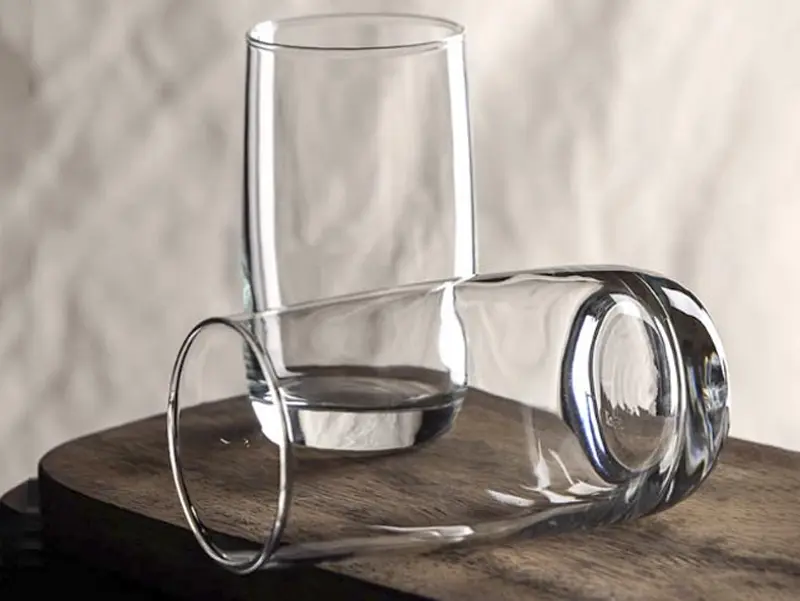
Glass was first applied to daily necessities such as Glass Cups, bottles, and plates. The Mesopotamians made soil cores, which were then wrapped with molten viscous glass ribbons and surface treated to obtain glassware. Glass utensils made in this way often take on a bottle shape and are used as containers for water or food.
The earliest glass was considered to have only one color, green, which limited its application direction. It was not until later that people discovered that the reason why glass presents a green color is because the raw materials used to make glass contain a small amount of iron, and the compounds of divalent iron make the glass appear green. After adding manganese dioxide, there was a color change. This special and beautiful color change has taken the application of glass to the next level - various colored glass products have emerged. Especially after Italians mastered advanced glass panel manufacturing technology, colored glass was widely used in the decorative glass of churches, especially in Gothic style church architecture. Gothic churches often present a sharp and high architectural structure that seems to fly upward, which makes the tall french window a stage of stained glass. The sunlight shines through the colorful windows into the sacred church, making the atmosphere of the church more solemn and sacred.
Afterwards, glass was widely used in the construction industry. In 1833, the world's first building entirely constructed of iron and glass, the Garden des Plantes greenhouse, was unveiled. Unlike the heaviness of stone buildings, glass buildings can bring a clear and pure feeling, which has been highly praised by people for a time. A more vivid example is the London World's Fair venue (also known as the "Crystal Palace") built under the leadership of Paxton in 1851, which can be called a temple of glass.
2.2 Modern Glass Applications
In modern times, the application of glass has become more widespread. Modern Glass Can be simply classified into flat glass and special glass. Flat glass is mainly divided into three types: flat glass with grooves or without grooves, flat glass with flat pull method, and float glass. These types of glass have their applications in the construction and decoration industry, automotive industry, art industry, and even the military. According to their composition, glass can be divided into quartz glass, high silica glass, lead silicate glass, sodium calcium glass, aluminum silicate glass, borosilicate glass, potassium glass, etc. Various types of glass have their own uses, such as soda lime glass, which can be used in the manufacturing of flat glass, glassware, and light bulbs; Lead silicate glass is used as a vacuum tube core due to its high metal wettability, and is also used to block radiation because lead can block radioactive substances; Borosilicate glass is the preferred choice for chemical experimental instrument glass due to its high strength and corrosion resistance.
3. The future of glass
3.1 Future prospects of artistic glass and decorative glass
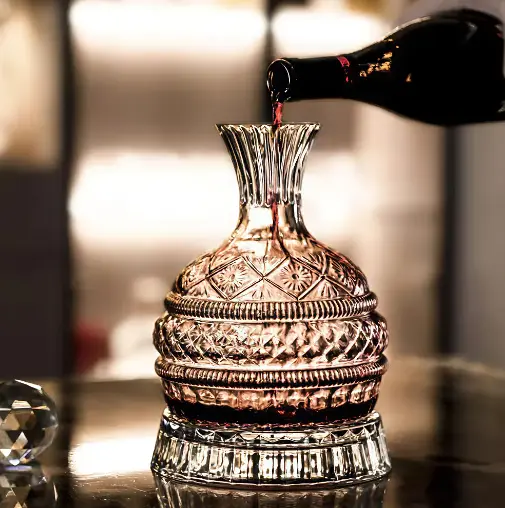
One major field of contemporary glass applications is art glass and decorative glass. Glass has broken free from the shackles of early pursuit of practicality and begun to develop towards refinement. After the glass studios sprouted up like mushrooms after rain, more and more exquisite glass products began to emerge, including glass candle holders, glass ornaments, glass statues, and even large colored glass statues. The objects involved in artistic glass range from cars, buildings, and courtyard sculptures to small clock dials, mirror frames, and mobile phones. Glass can also be used as a rhinestone to replace expensive diamonds. The "diamonds" seen on small accessories today are mostly various colored rhinestones made of glass.
My personal suggestions for the future development of art glass are as follows:
1. Art glass and decorative glass should value inspiration and creativity, adhere to unique creative designs, and bring people a visual feast.
2. Optimize the raw material structure of art glass, reduce costs to expand the production of art glass.
3. Develop industry standards to ensure more standardized design and production of artistic glass, and to avoid phenomena such as raw material pollution.
4. Integrating high-tech into the production process of art glass and decorative glass takes glass manufacturing technology to a new level and better promotes industrial development.
The multifunctionality and composite of artistic glass and decorative glass are requirements to adapt to the trend of the times. For example, decorative glass prepared by combining solar cells with colored glass curtain walls can not only utilize solar energy but also serve as non load bearing walls and decorative purposes, killing two birds with one stone.
3.2 Special Glass
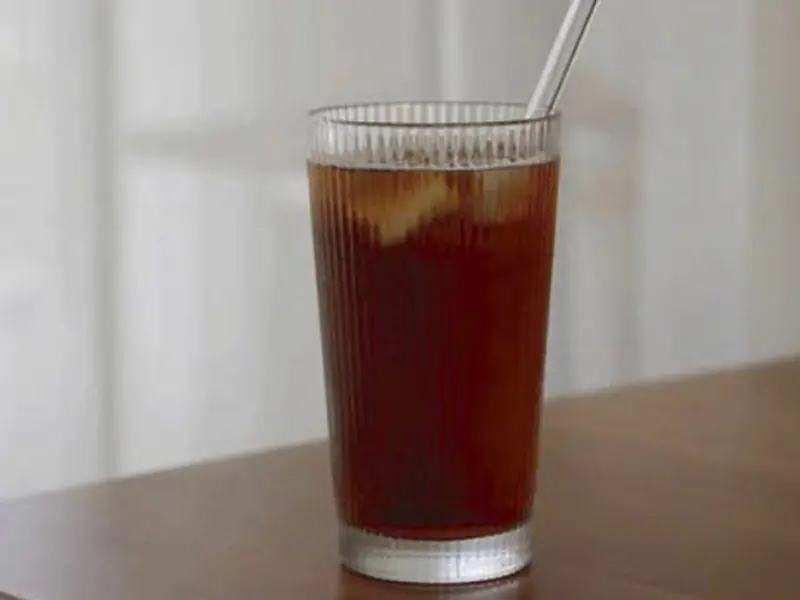
Special glass is widely used in fields such as instrumentation, military, medical, electronics, chemistry, and construction, each with its own characteristics. Such as tempered glass (with high strength coefficient, not easy to break, even if broken, it will not form sharp particles that harm the human body), embossed glass (opaque, often used in places that require opaque treatment, such as toilets), laminated glass (commonly used in the construction industry, not easy to break when impacted), insulated glass (good sound insulation effect), bulletproof glass (high-strength glass, can block bullets at a low speed and ensure safety), and so on.
High borosilicate special glass
In addition, various new types of glass formed by incorporating different chemical substances also have broad application prospects. Including high silica glass, lead silicate glass, sodium calcium glass, aluminum silicate glass, borosilicate glass, potassium glass, etc. mentioned earlier, iron-based metallic glass is also a new type of glass that is currently attracting attention. Iron based metallic glass is an amorphous material mainly composed of metallic materials, without crystal defects such as planes, positions, and points. It has superior properties such as high elasticity, high strength, corrosion resistance, impact resistance, and cold and hot resistance, and has broad application prospects in the field of oil and gas development.