
 +86 13438161196


0102030405
Magical And Sacred Glassware - Daily Glassware
2025-08-20
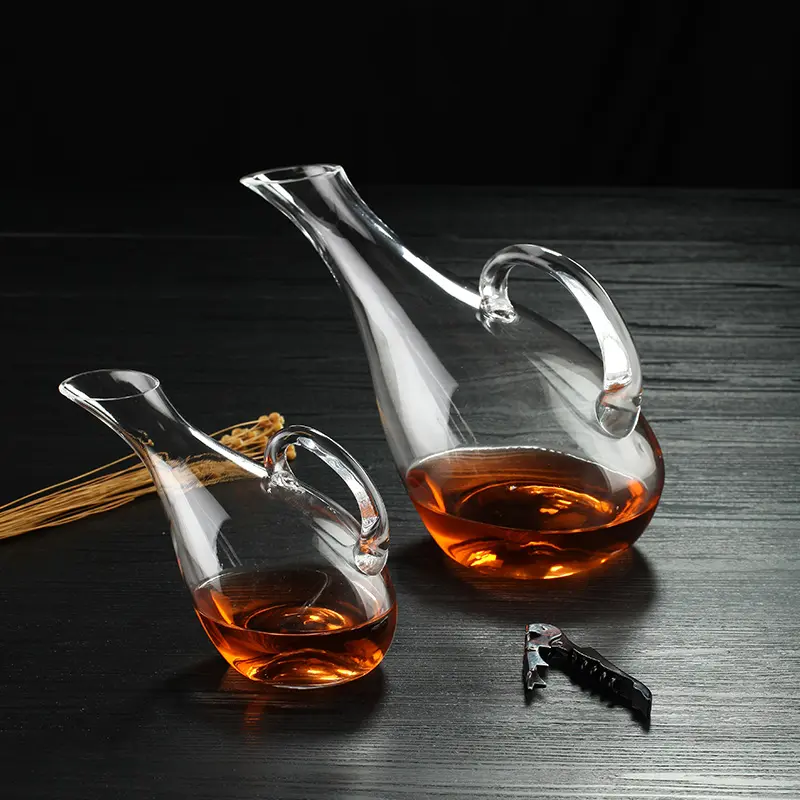
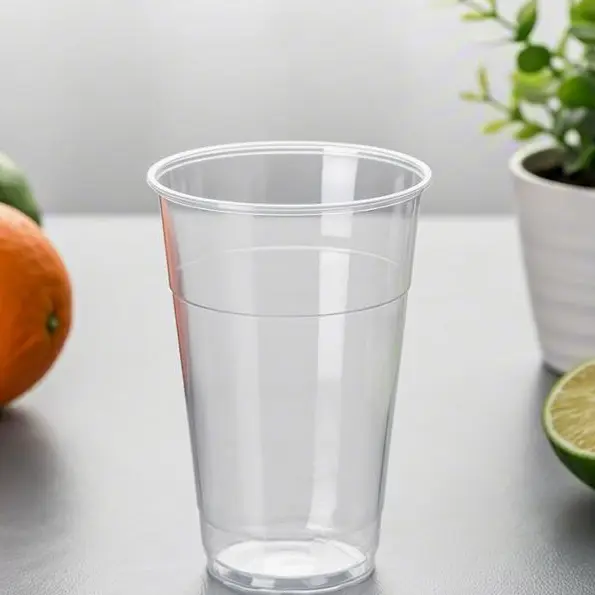
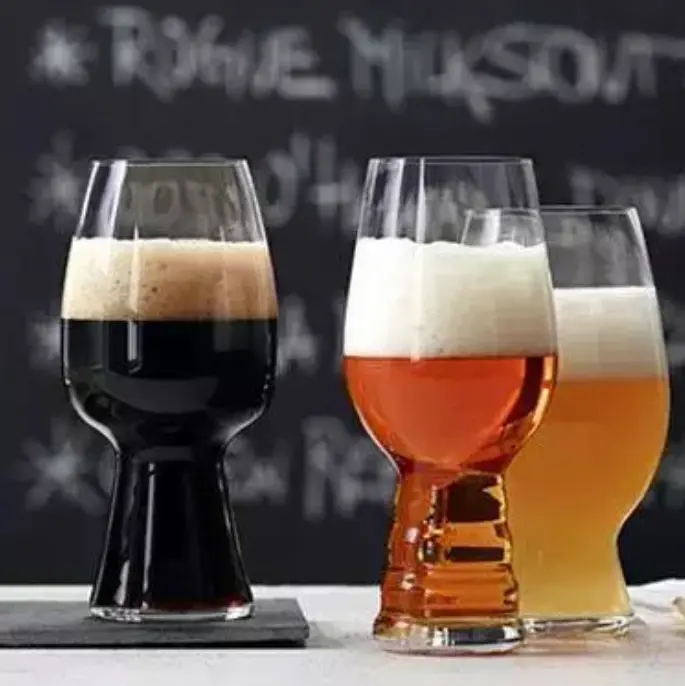
Daily glassware is a necessary commodity for human life made of glass, including glassware for water, wine, tea, tableware, kitchen utensils, and so on.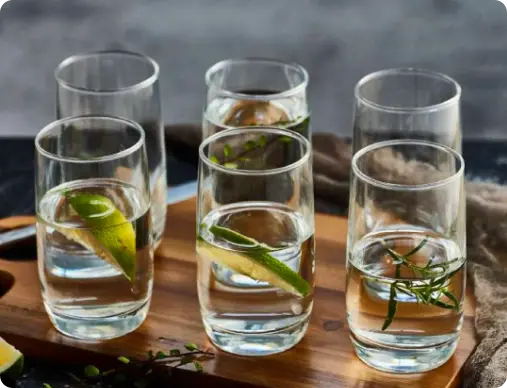
Daily glass - it is a substance that has neither free electrons nor easily excited electrons in its structure. The structure of the substance is very compact, without many pores and other conditions. The characteristics of this material make the glass crystal clear, making people feel clear and comfortable at first glance; At the same time, its inert properties give it strong acid and alkali resistance, so you don't have to worry about harmful chemicals infiltrating the contents; Due to its 100% recyclability, it has become widely recognized as the safest, healthiest, and most environmentally friendly food packaging, container, and household product in the world.
In the hot summer, people will really experience the sparkling and cool feeling when they drink frozen drinks, Shaved ice, etc. in glass bottles, glasses or glass plates; Ten colored fruit chunks, or various vegetable shreds, red, orange, yellow, green, blue, purple, and the holy white, filled in various delicate, clean, and bright glass buckets, fresh and bright, visible from all directions; Chinese cuisine emphasizes the perfect combination of color, aroma, and taste, with Glass Tableware, wine utensils, and kitchenware becoming your ideal containers. All of these will allow you to enjoy an elegant taste and visual experience, as well as the tranquility of a pure and purified soul.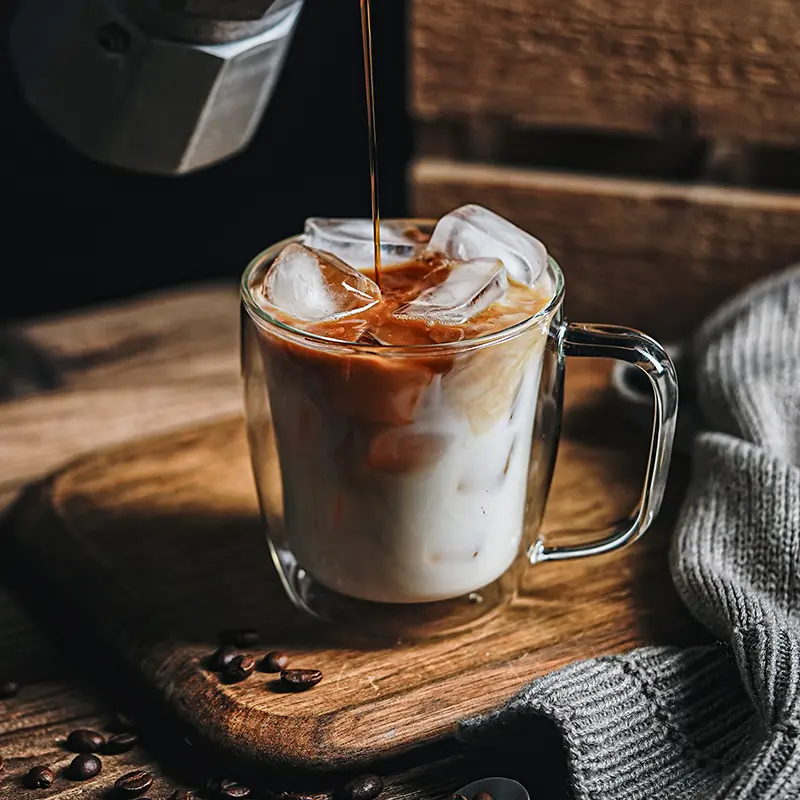
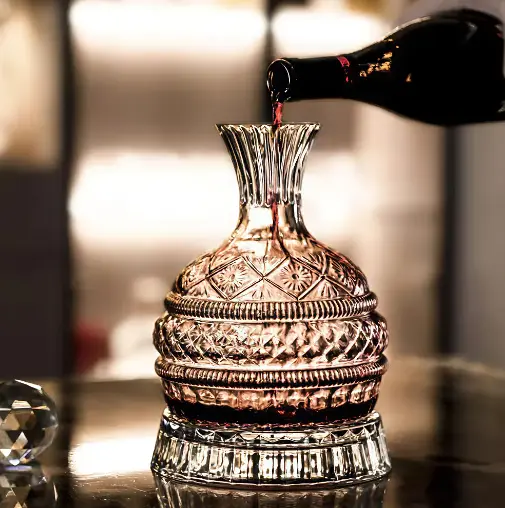
Are you interested in learning about the production process of beautiful and safe glassware? Below is a brief description for you: Glassware is mostly made of sodium calcium silicate glass, borosilicate glass, potassium barium crystalline glass, etc., and there are also a few made of microcrystalline glass, high alumina glass, and some special glass. The production of glassware mainly involves four steps: batching, melting, forming and annealing, and processing. Glass Can be colorless and transparent, as well as various colored glasses that are transparent. These colored glasses are formed by adding trace amounts of metal elements to glass raw materials and melting them together. For example, cuprous oxide can produce red, green, or blue colors. You may also see many beautiful glass products, such as carvings and prints, which are formed by various processing treatments on the external surface according to the aesthetic needs of different consumers, such as: high-class art utensils such as goblets, perfume bottles, fruit pots, flower bottles, etc., which are made of potassium barium crystal glass. The cooking, microwave, and oven utensils you use, such as coffee pots, baking trays, heat-resistant preservation boxes, etc., are made of heat-resistant borosilicate glass, while kitchen utensils that can be directly fired are made of microcrystalline glass, which has better heat and temperature resistance to rapid changes.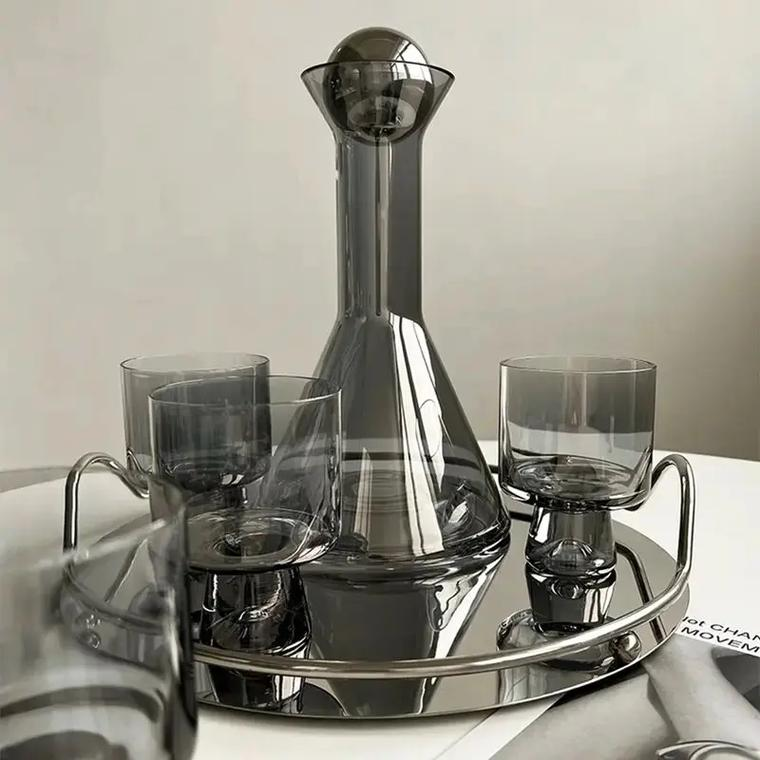
The typical molding process of glassware: glass raw materials prepared according to requirements are put into a furnace for melting, and after melting, they are clarified into a uniform glass liquid without bubbles, stones, or stripes. It is cooled to a viscosity range that meets the requirements of the corresponding molding method, and then various molding operations are carried out.
Blow molding: There are two methods of blowing molding: manual and mechanical. During manual molding, a handheld blowing tube is used to pick materials from the crucible or the material outlet of the tank kiln, and blow them into the shape of a tool in the mold. Smooth circular products are blown using the rotary blowing method; The static blowing method is used for products with convex and concave patterns or shapes that are not circular on the surface. The process of first selecting colorless materials and blowing them into small bubbles, and then selecting colored or milky materials and blowing them into a container shape with small bubbles is called set blowing. Dip the colored melting material particles onto the milky coating, and the natural melting flow of various colors can be blown into natural scenery vessels; Dip the colored material with a strip of milky material, which can be blown into a brushed or wrapped vessel. Mechanical molding is used for blowing large quantities of products. After receiving the material, the blowing machine automatically closes the iron mold and blows it into the shape of a vessel. After demolding, the cap is removed to form the vessel. Pressure blow molding can also be used, first punching the material into small bubbles (prototypes), and then continuing to blow it into the shape of a device. It has higher efficiency and better quality than simply blowing with a blowing machine.
Compression molding: During manual molding, the material is manually picked and cut into an iron mold, driven by a punch, pressed into a machine shape, solidified and shaped, and then demolded. Mechanical molding automation production, large batch size, high efficiency. Compression molding is suitable for small tool shaped products with large mouth and bottom that can exit the punch, such as cups, plates, ashtrays, etc.
Centrifugal molding: The material is received in a rotating mold, and the centrifugal force generated by rotation causes the glass to unfold and adhere tightly to the mold. After solidification and shaping, it is removed. Suitable for forming large glassware with uniform walls.
Free molding: also known as moldless molding. Manually select materials and repeatedly bake or heat bond them in front of the kiln. Due to not being in contact with the mold, the glass surface is shiny and the shape and lines of the product are smooth. Finished products are also known as kiln glass products. Typical products such as glass crafts and decorations.
Processing: The molded glassware must undergo annealing to eliminate thermal stress caused by uneven cooling. Simple shaped ordinary pressed products and kiln glass products can no longer be processed. Most glassware undergoes various processing after molding to complete the product's shape and have artistic effects. For example, carving patterns, tempering treatment, polishing treatment, matte finish treatment, colored glaze decoration, rainbow decoration, gold-plated decoration, ion diffusion coloring, etc., mainly involve external processing of the vessel, using optical principles to make the user feel that the entire vessel emits a mysterious light halo from the inside out.
Glass is breathtakingly beautiful. Nowadays, people's lives are becoming increasingly prosperous, and the trend of pursuing beauty is unstoppable. Making glass products that are increasingly beautiful, safe, healthy, and environmentally friendly has naturally become an important goal for people to pursue high-end enjoyment!