
 +86 13438161196


0102030405
Knowledge about champagne glasses
2025-06-11
A champagne glass is a type of tall glass specifically designed for drinking champagne. There are three types of vessels: flute shaped, tulip shaped, and shallow dish Champagne Glasses.
People first used silver goblets decorated with dye and carving to drink champagne, but these goblets did not have any strengthening effect on the wine inside the glass. Until 1705, the British found that the slender narrow mouth ratio could miraculously improve the taste of sparkling wine. By the mid-19th century, the commonly seen slender champagne glasses challenged the short and sturdy glasses that were first made in the workshops of the famous Belgian crystal vessel manufacturer "Saint Lambert".
A wide mouthed champagne glass made by Val Saint Lambert
This wide mouthed goblet inherited the style of medieval goblets and quickly won the favor of the middle class and other party goers at the time. Legend has it that Madame Pompadou, the mistress of King Louis XV of France, or Marie Antoinette, the queen of Louis XVI, created the original style of champagne glasses in the shape of her breasts. Despite its noble origins, this is actually the least used champagne glass today. Until now, only at some weddings can one see a glass mountain made of wide mouthed champagne glasses, pouring champagne from the top until all the glasses are filled. Despite being a symbol of celebration, wide mouthed champagne glasses fell out of favor during the two World Wars in the 20th century because their shape shortened the duration of bubbles and allowed the aroma to dissipate quickly. So the wide mouthed cup was slowly moved to the back row of the storage cabinet, becoming an outdated relic left over from the previous generation, only used as a fruit cup.
The flute shaped cup with a capacity of 150 milliliters replaces it, and the narrow cup shape can help the bubbles rise steadily and slowly, while also effectively concentrating the aroma of champagne. Even in the eyes of professional connoisseurs, flute shaped glasses are impeccable in enhancing the champagne experience. Its minor flaw is that it is easily broken, as a 19th-century author wrote, it is' as fragile as the chastity of a dancer at the Paris Opera '.
A flute shaped champagne glass with slender and tall legs

However, no matter how good the flute shaped cup is, people may feel that it is not as fashionable after using it for too long. Over the years, people have been preparing new styles specifically for tasting champagne. The new cup has better functionality, is easier to clean, and is just as friendly to the wonderful interpretation of champagne bubbles and foam in the cup. At present, in addition to the traditional flute shaped champagne glass, there are also tulip shaped champagne glasses and shallow dish champagne glasses that have developed relatively maturely.
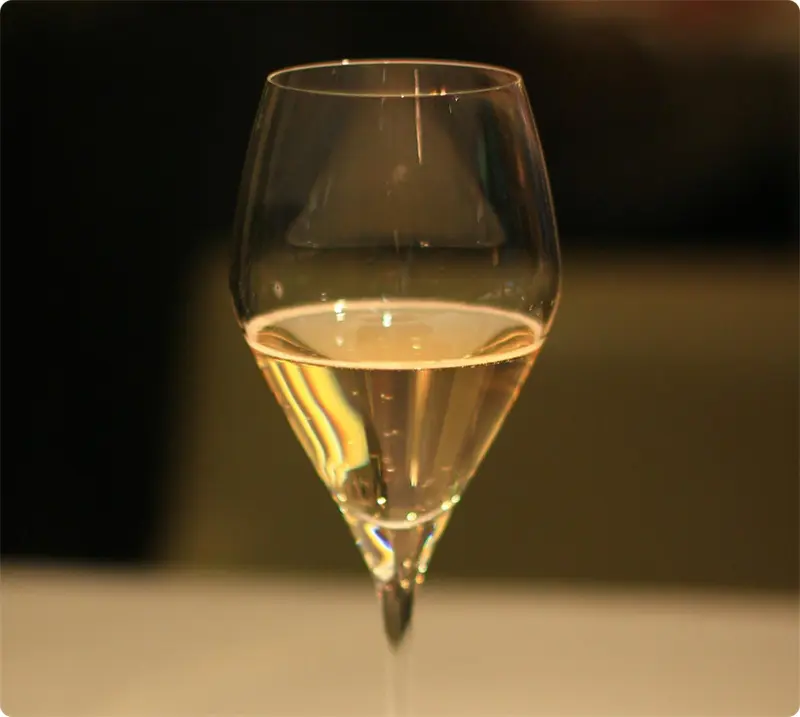
Tulip shaped champagne glass, with a slender body resembling a tulip flower, a small mouth closure, and a large belly. It can gather the aroma of wine and is generally used to drink champagne produced in the Champagne region of France, as well as grape wine produced in other countries and regions. You can drink it slowly and enjoy the pleasure of the wine bubbling in the cup.
champagne tulip
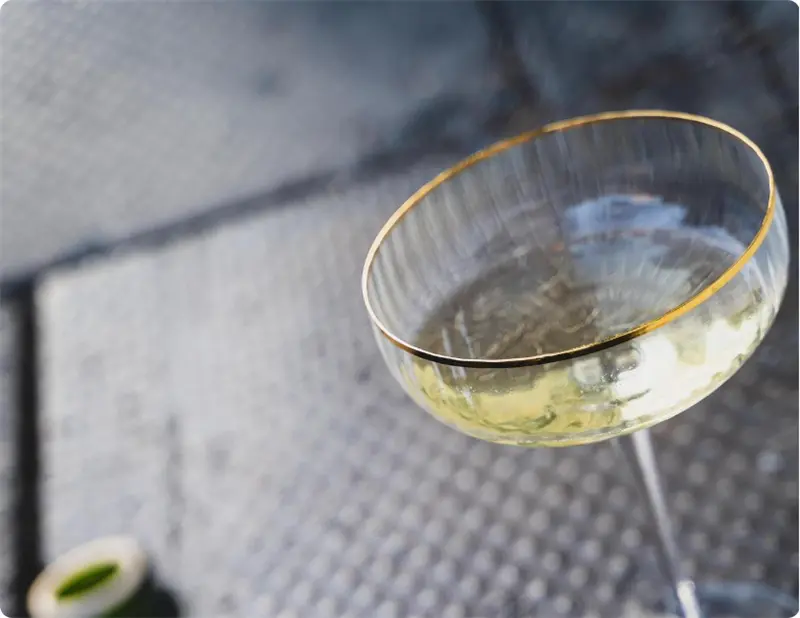
Shallow dish champagne glass: refers to a specially shaped high footed glass that can be used to build champagne fountains for weddings and other festive celebrations, for guests to drink ceremonial champagne, and can also be used for other occasions, such as drinking cocktails and eating Western snacks in bars and restaurants. The shallow dish champagne glass is divided into two shapes, European style and North American style, both of which can be used for cocktail drinking and can also be used as containers for snacks. The difference between the two is that the European style cup has a round and soft body; The North American style cup has a triangular body with straight and rugged lines. This shallow dish champagne glass has another name called a Cocktail Glass.
Champagne Saucer
Another traditional cup shape that may replace the flute shaped cup is the horn shaped cup, which is a pure curved cup without a base, and some are made in the shape of sheep horns symbolizing abundance. Because there is no base, it cannot be placed on a flat surface, and the person holding it can only drink it up. It is also a symbol of the "Order of Champagne" (Ordre des Coteaux de Champagne).