 +86 13438161196







0102030405
How was a glassware born
2025-06-11
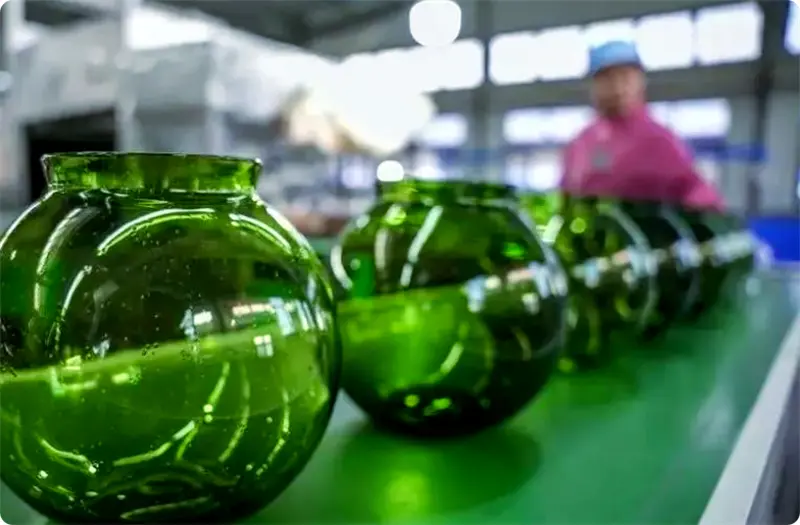
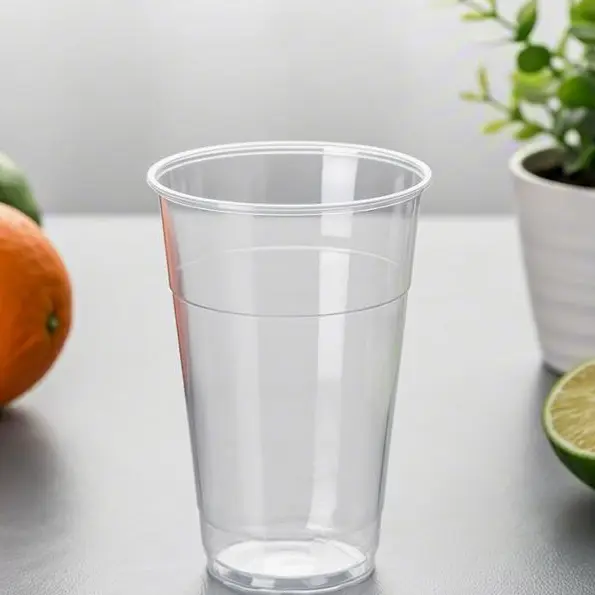
Through processes such as selection, rolling, blowing, and shaping, the glass raw material transforms into countless forms in flames, resembling flowing art. After forming, glass still needs to go through multiple processes such as cutting, polishing, drying, inspection, and cleaning before producing crystal clear Glass Cups one by one.
1. In the processing of glassware, the starting step of the blowing process is material selection. Skilled workers use a picking rod to lightly pick through the glass liquid and successfully introduce a clump of orange glass liquid into the pipe opening. Subsequently, they employed blowing techniques to shape the glass into a bulb like ball and cleverly secured it onto a roller to maintain its form. This step is vividly referred to as "blowing bubbles" in the industry. Now, what we see is a glass "bubble" that has been preliminarily blown, and its shape has taken shape.
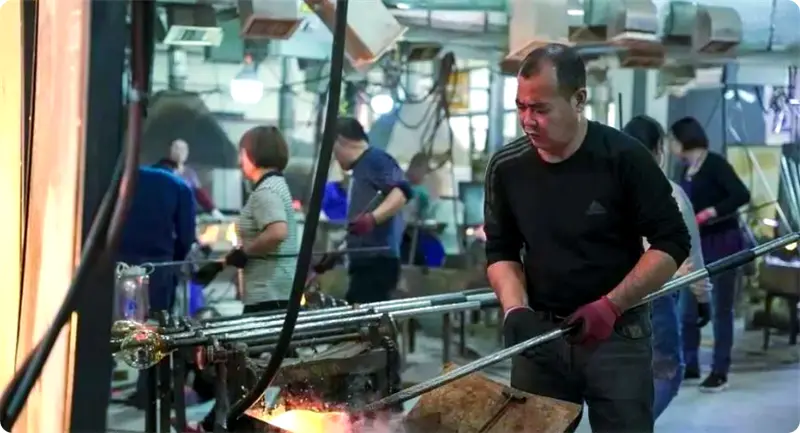
2. After successfully blowing out the initial shape of the glass "bubbles", the next step is to retrieve the material again. The workers put the newly taken material ball into the rolling bowl and gradually roll it into a round spherical shape by continuously rotating it. This preparation process laid a solid foundation for the subsequent blowing process.
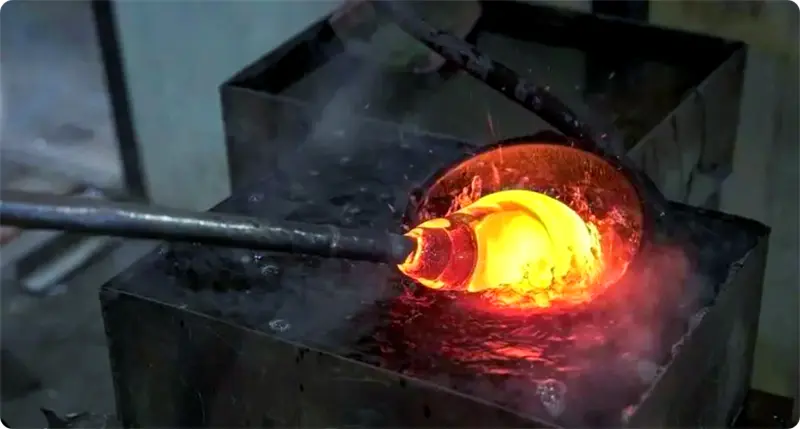
3. After the material is rolled into a uniform spherical shape, the blowing worker will use clever techniques to smoothly blow gas from the other end of the picking rod and rotate the rod body at the same time. This step requires precise control of the blowing time and amount, as excessive blowing can cause the end of the product to be too weak and the size to be too large; Insufficient blowing can make the end too thick and the size too small.
Place the blown material ball into the mold, and the blowing worker needs to adjust the angle of the material ball carefully while blowing air. During the continuous blowing and rotation process, the foam will gradually expand and conform to the contour of the mold. This process is called "blowing big bubbles", which tests the exquisite skills of the blowing workers and often requires years of accumulated experience to complete perfectly.
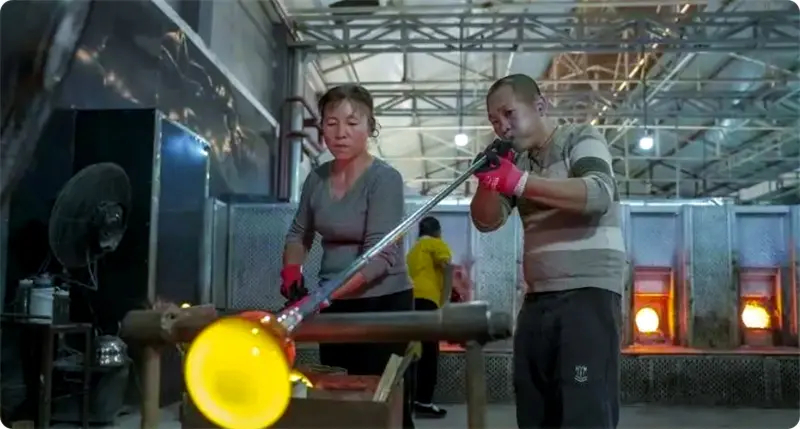
4. During the blowing process of glass, due to the intense temperature and shape changes experienced, thermal stress is generated inside the glass. This thermal stress can affect the strength and thermal stability of glass products. If directly cooled, it may cause the products to rupture during subsequent storage, transportation, or use. To solve this problem, glass products need to undergo annealing treatment after forming. This step involves insulation or slow cooling within a specific temperature range to reduce thermal stress in the glass, ensuring the quality and durability of the product.
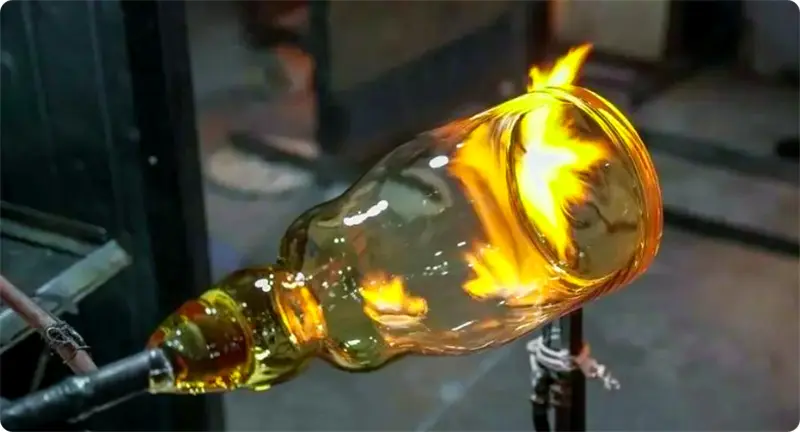
5. The entire production process of glass blowing is carried out in a high-temperature environment. At the production site, we can see workers using heating guns to bake the bottom of bottles to ensure that the Glass Can be smoothly formed. This step is crucial for ensuring the quality and durability of glass products.
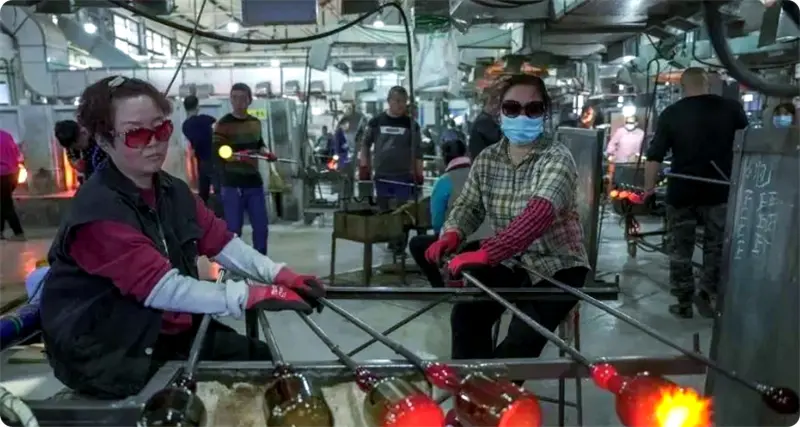
6. In the production process of glass products, after the cup is blown and cooled, the next step is to finely process the excess waste at the mouth of the cup. According to the specific size requirements of the order, workers will first use a glass knife to make clear marks on the waste, and then cleverly use flames to bake, so that the waste can naturally and smoothly fall off. The exquisite craftsmanship of this process ensures the roundness and smoothness of the rim of the cup, laying the foundation for the perfect presentation of glass products.
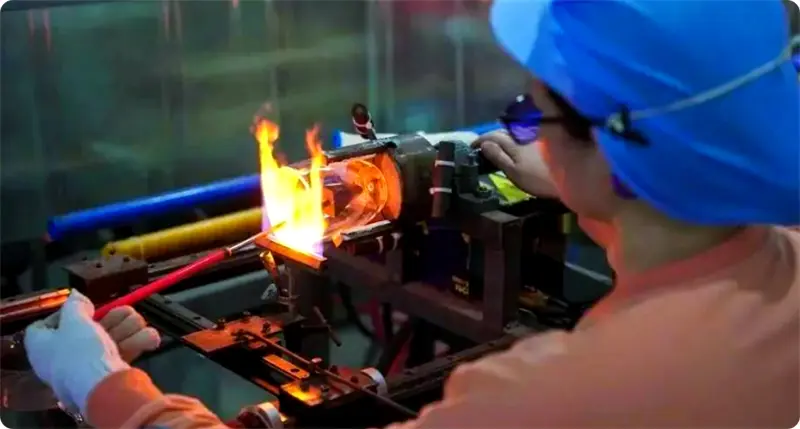
7. Next, the workers will carry out the "baking mouth" process, which uses flames to bake the cup mouth, so that the waste can naturally and smoothly fall off. This step requires exquisite skills and rich experience to ensure the roundness and smoothness of the rim of the cup.
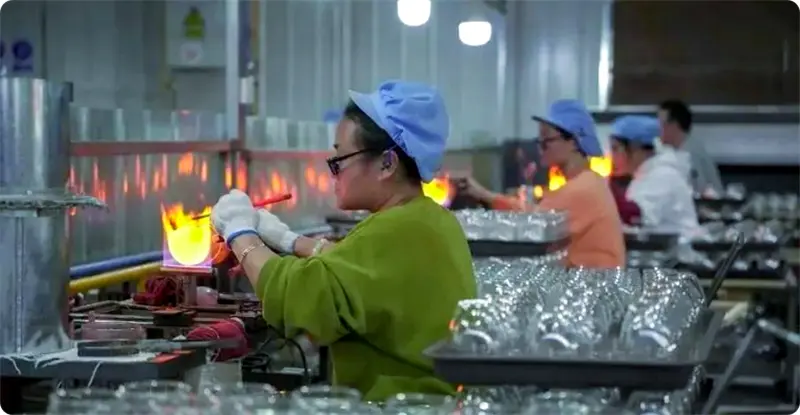
8. After the completed glass cup undergoes the "drying mouth" process, it also needs to go through the steps of cleaning and inspection. Workers will carefully inspect each finished product through light to ensure that the quality of the cup meets the standards.
The workers are carefully examining the finished glass cups that have undergone the baking process one by one. Through the light, they carefully inspect the quality of each cup to ensure that every detail meets the standards.
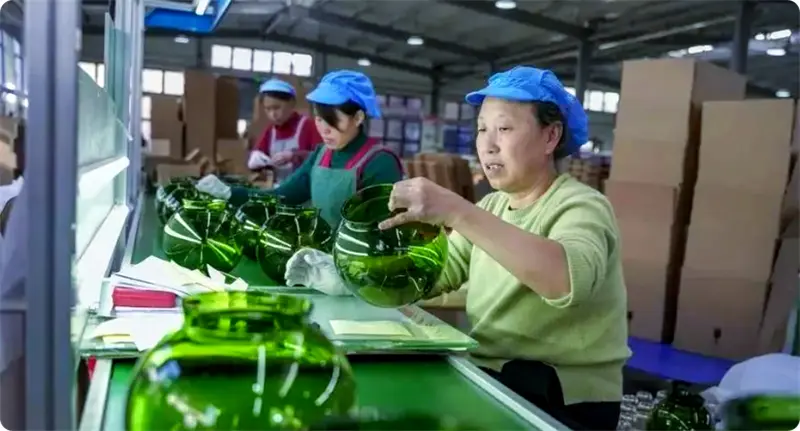
9. Before packing, workers carefully cleaned each glass cup. They use clean water and specialized detergent to thoroughly remove any impurities that may remain on the cups, ensuring that every glass is as clean as new. This step is crucial for ensuring the final quality of the product.