
 +86 13438161196





0102030405
Four common materials for glass cups
2025-06-10
1. Sodium calcium glass cup
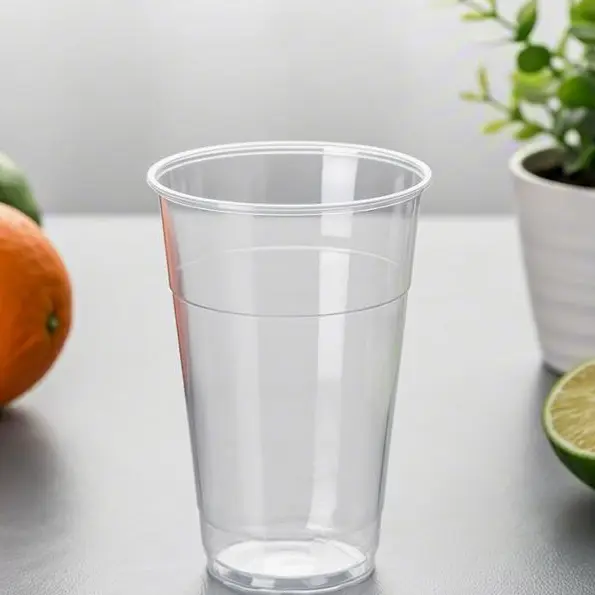
As the most common type of glass in the market, it is loved by consumers for its affordability and wide applicability. This type of glass cup is composed of sodium calcium silicate, which has good transparency but relatively weak heat resistance, and sudden cooling and heating can easily cause breakage. In terms of health and safety, sodium calcium Glass Cups are lead-free and non-toxic, and can be used with confidence, but attention should be paid to avoiding sudden changes in high temperature. In the usage guide, it is recommended not to use it under extreme temperature differences. For example, add hot water immediately after taking it out of the refrigerator to avoid breakage and injury.

2. Crystal glass cup
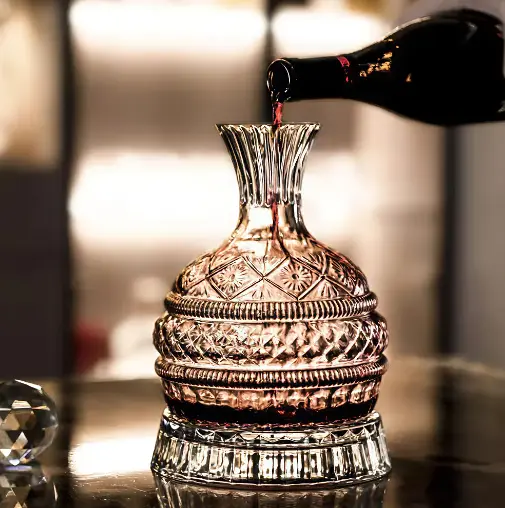
Known for its crystal clear and dazzling appearance. Although lead crystal glass cups are more dazzling, long-term use or contact with acidic beverages may release trace amounts of lead, which can have a certain impact on health. Therefore, it is recommended to choose lead-free crystal glass cups. Lead free crystal glass cups are not only beautiful, but also healthy and safe, but also need to avoid drastic temperature changes. When in use, warm water can be used to preheat before pouring in hot or cold water to extend the service life.
3. Tempered Glass cup
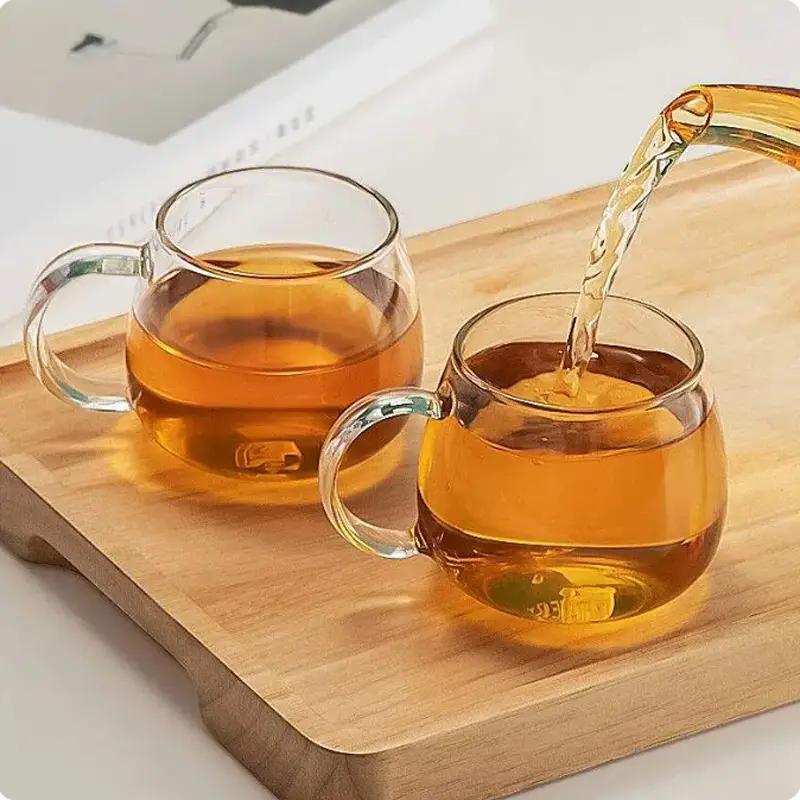
Due to its high strength, high heat resistance, and resistance to breakage, it has become the preferred choice for outdoor activities and children's tableware. Tempered glass that has undergone special processing is less likely to form sharp fragments even when broken, greatly reducing the risk of injury. In terms of health and safety, tempered glass cups are also lead-free and non-toxic, which can be used with confidence. When using, just be careful to avoid strong collisions or scratches on the surface to avoid affecting aesthetics and durability.
4. High Borosilicate Glass cup
With its excellent heat resistance and chemical stability, it has become an ideal choice in fields such as cooking and laboratory. The high borosilicate material enables the glass cup to withstand extreme temperature differences without breaking, and is not easily corroded by acid and alkali. In terms of health and safety, high borosilicate glass cups also perform well and are the best choice for consumers who pursue a high-quality life. When using, just pay attention to keeping it clean and avoid prolonged soaking or high-temperature baking.
How to choose which type of glass water bottle?
1. Check the material
We should prioritize choosing high borosilicate glass. This material not only has good heat resistance, but also is not easy to break, making it safer to use. Some water bottles on the market are made of ordinary glass, although the price is lower, the heat resistance and durability are greatly reduced, so it is not recommended to purchase.
2. Check the thickness
Pay attention to the uniformity of the water cup wall. Thin water cups are prone to scalding and have poor insulation performance; However, being too thick makes it appear bulky and inconvenient to carry. Choosing a moderate and uniform thickness can ensure comfort during use while balancing aesthetics and practicality.
3. Check for impurities
Carefully observe whether there are bubbles, stripes, and other defects inside the water cup. These impurities not only affect the appearance, but may also affect the durability of the water cup. A high-quality water cup should be crystal clear and free of any impurities.
4. Check transparency
Choose a water cup with high transparency. A water cup with high transparency not only looks clearer, but also allows the color of the drink in the cup to be clearly seen, increasing the pleasure of drinking.
5. Look at the structure
Pay attention to whether the design of the water cup is reasonable. For example, whether the cup mouth is round and smooth, easy to clean and drink; Does the cup body have anti slip design to prevent slipping during use; Whether the cup lid is well sealed to prevent water leakage, etc.
6. Check the workmanship
Observe whether the details of the water cup are finely crafted. Whether the polishing of the cup mouth is smooth and the lines of the cup body are smooth are important standards for measuring the quality of a water cup.
7. Check the standards
Choose a water cup that meets national security standards. When purchasing, you can check whether there are relevant safety labels or certification information on the water cup.
8. Smell the odor
The new water cup should not have any pungent odor. If you smell an odor, it indicates that the water cup may have been made of inferior materials or contain harmful substance residues, and such water cups should not be purchased.
In short, high-quality glass cups are often made by carefully firing high borosilicate glass. This material, with its excellent heat resistance and stability, can still maintain its tough quality without deformation or explosion during hot and cold alternation, ensuring peace of mind and worry free use. More importantly, high borosilicate glass does not contain harmful heavy metals such as lead and cadmium, effectively avoiding secondary pollution of water quality, making every drop of clean water pure and protecting the health of our tongue.
Of course, there are also some inferior glass products on the market that may appear fake in appearance, but the flaws in the material are like reefs, threatening the health of users. Therefore, when choosing glass cups, we should have a discerning eye and select products that are labeled with legitimate manufacturers and have passed national quality testing and certification, so that every toast becomes a heartfelt tribute to health and beauty.