
 +86 13438161196


0102030405
Crystal clear, magnificent and colorful, the beauty of glass from the Qing Dynasty
2025-06-11
Chinese Glass originated in the Western Zhou Dynasty and flourished in the Qing Dynasty. In the 35th year of the Kangxi reign (1690), the glass factory of the Qing Palace Construction Office was built. During the Kangxi, Yongzheng, and Qianlong periods, Chinese craftsmen combined Chinese and Western elements to create a unique style of glassware. With the decline of national strength in the late Qing Dynasty, glass production in the Qing Palace gradually declined, but a large number of Western and Eastern glass products entered the Forbidden City. The exquisite and precious glassware of the Qing Dynasty court gradually took on everyday colors. The brilliant colors and rich shapes of Qing Dynasty glass are unprecedented in the history of Chinese glass.

Purple transparent ground glass slag bucket cleaning mid-term
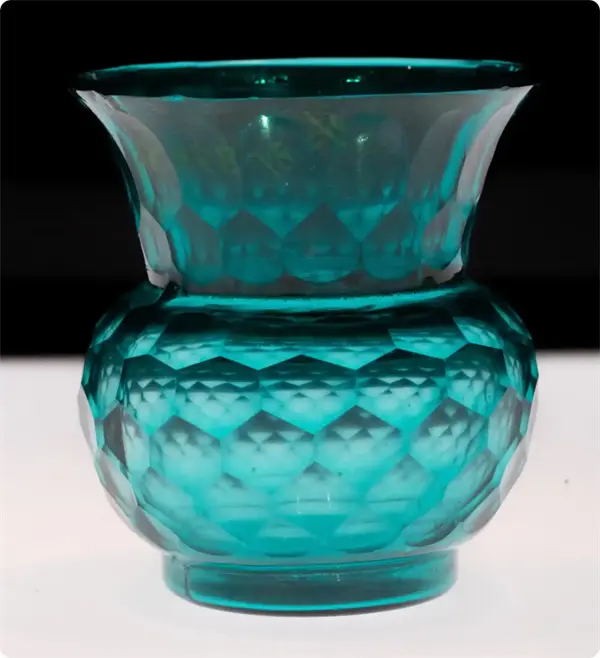
Green transparent ground glass slag hopper (front view) mid cleaning stage
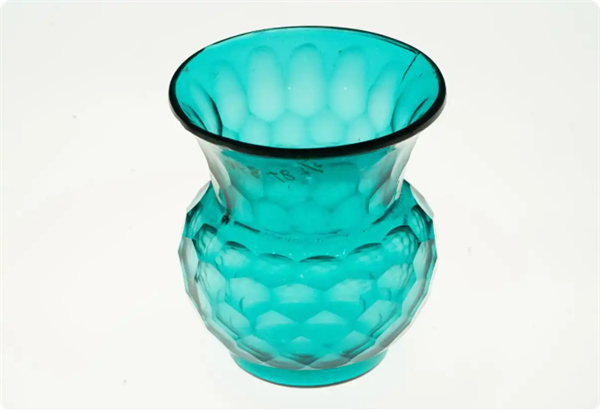
Green transparent ground glass slag bucket cleaning mid-term
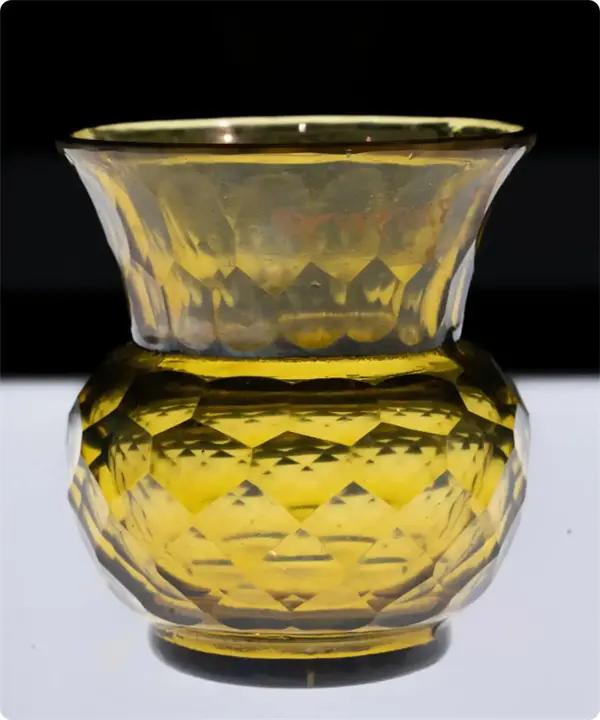
Tea colored transparent ground glass slag hopper (front view) mid cleaning stage
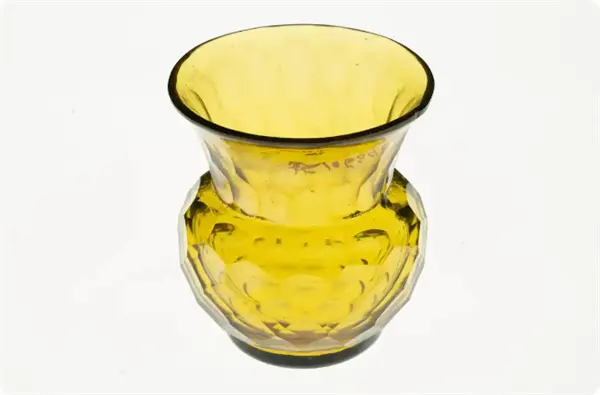
Tea colored transparent ground glass slag bucket, mid cleaning stage
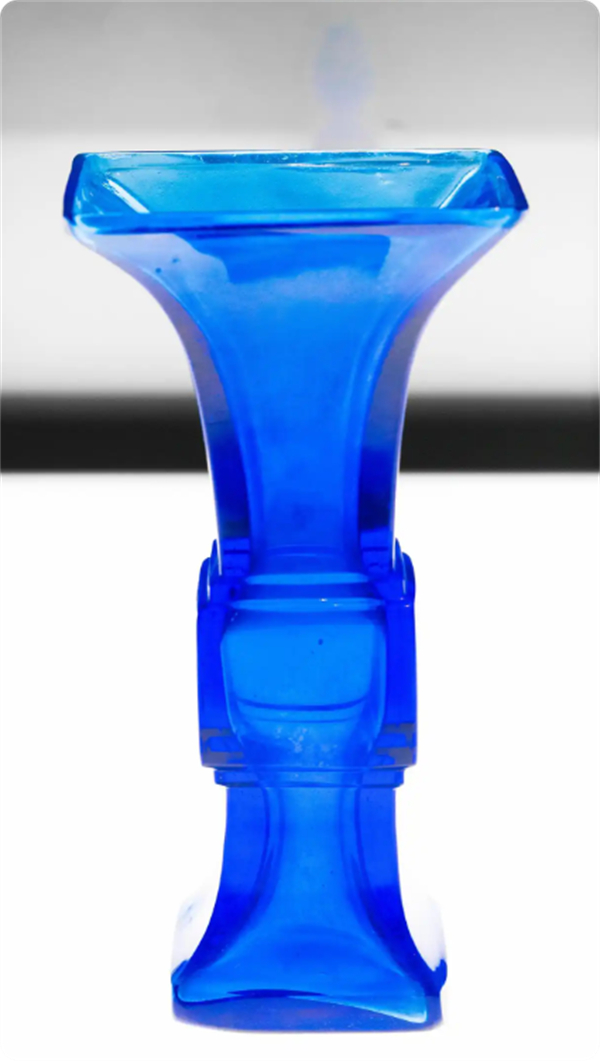
Blue Transparent Glass Square View Qing Qianlong
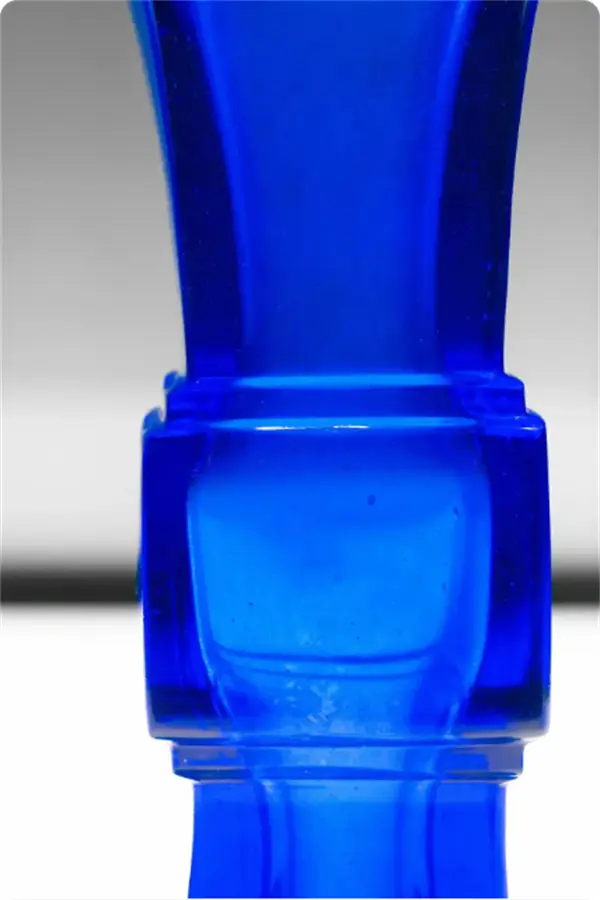

Blue transparent glass square (detail picture) Qing Qianlong
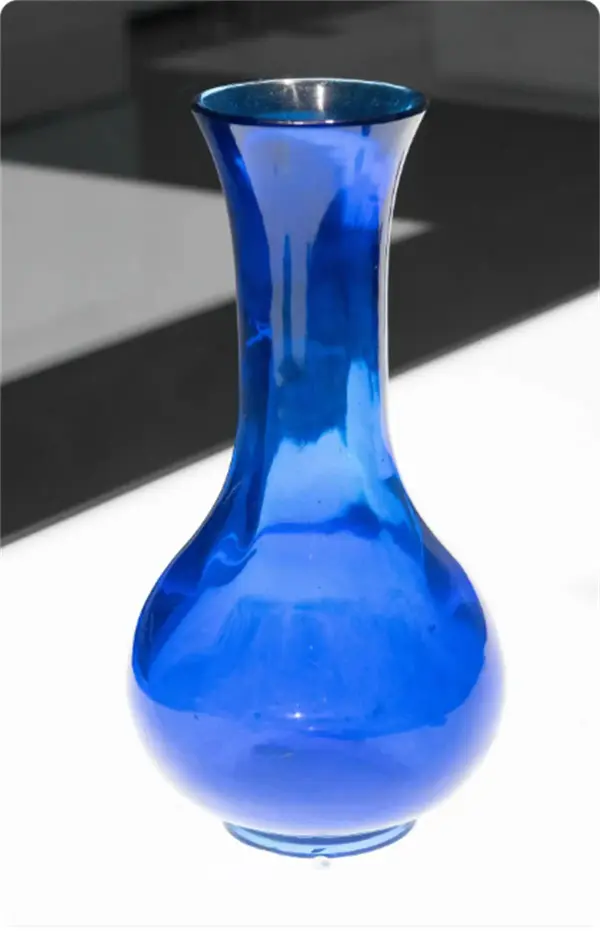
Blue transparent glass bottle, Qing Qianlong

Sky blue transparent glass flower mouth double ear bottle clear
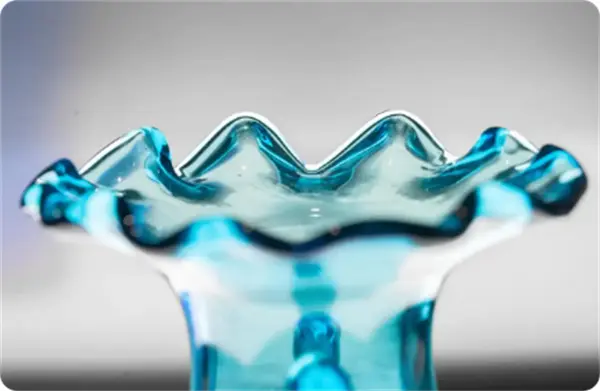
Sky blue transparent glass flower mouth double ear bottle (detail picture) clear
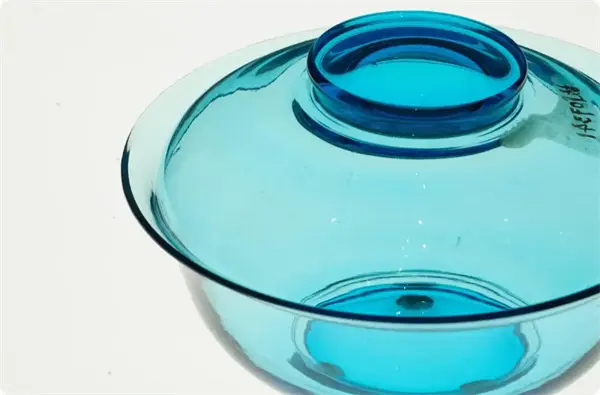
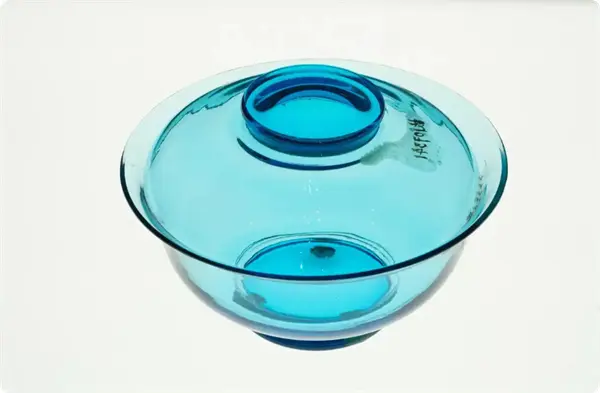
Western Blue Transparent Glass Bowl 19th Century Europe
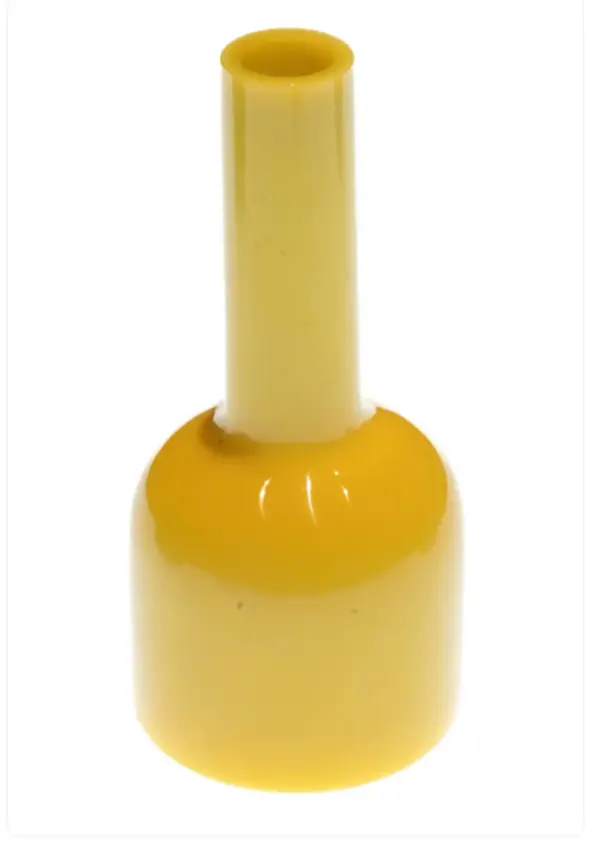
Yellow glass double land bottle Qing Qianlong

Western transparent glass chrysanthemum patterned bottle from 19th century Europe
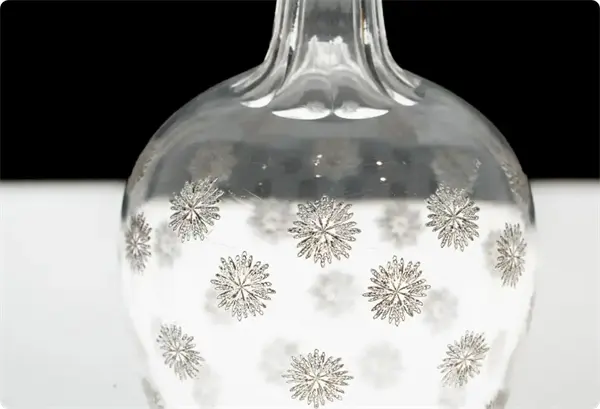
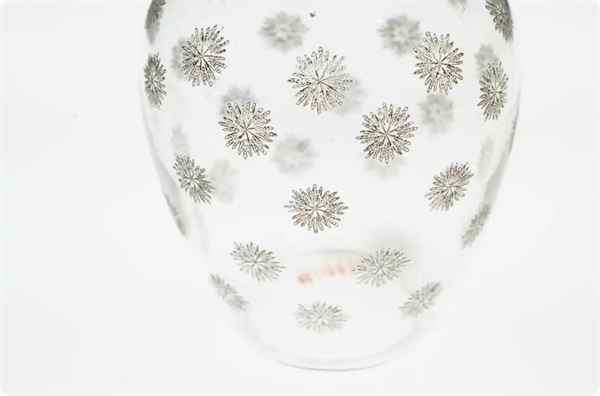
Western transparent glass chrysanthemum patterned bottle (detail picture) 19th century Europe
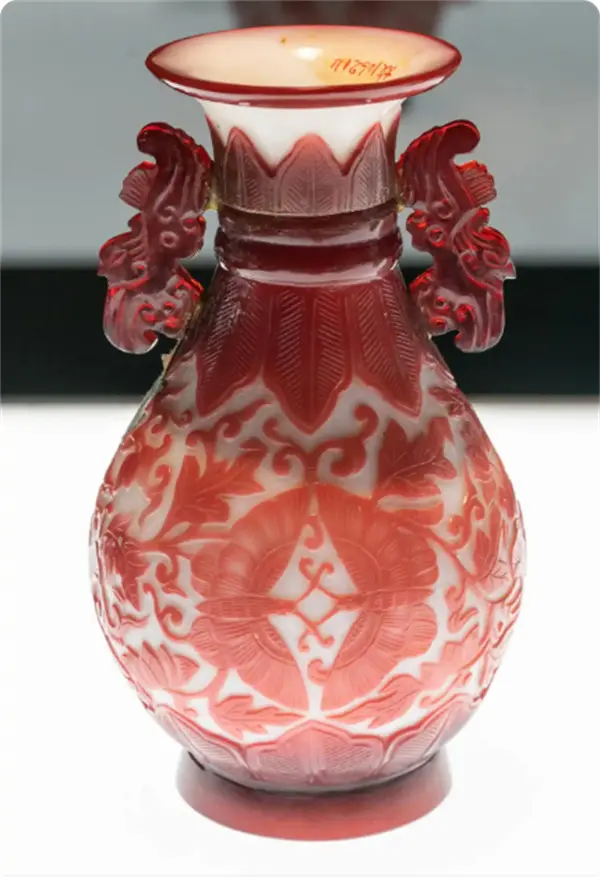
White set red glass banana leaf entwined flower butterfly pattern double ear vase Qing Qianlong
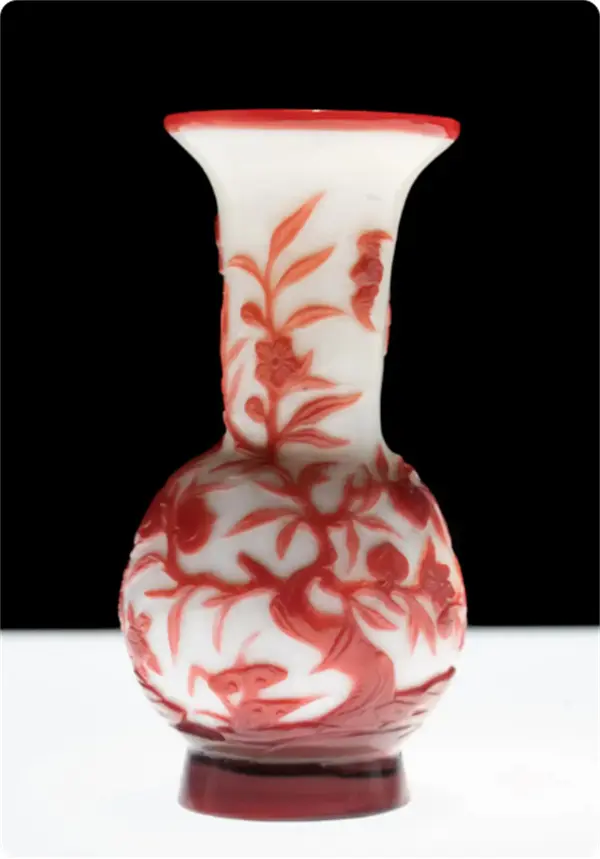
White set red glass peach bat patterned bottle, Qing Qianlong
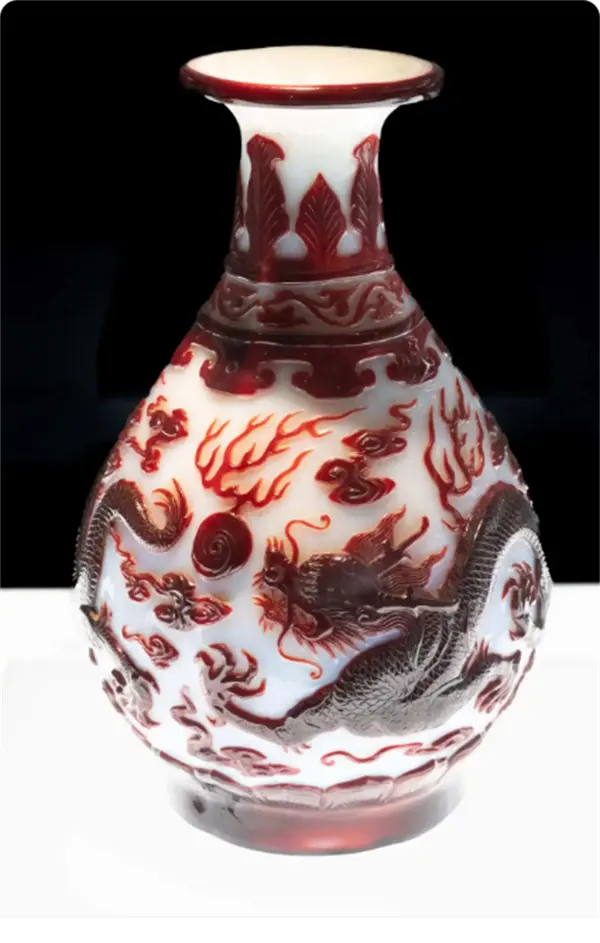
White set red glass double dragon chasing pearl patterned jade pot spring bottle Qing Qianlong
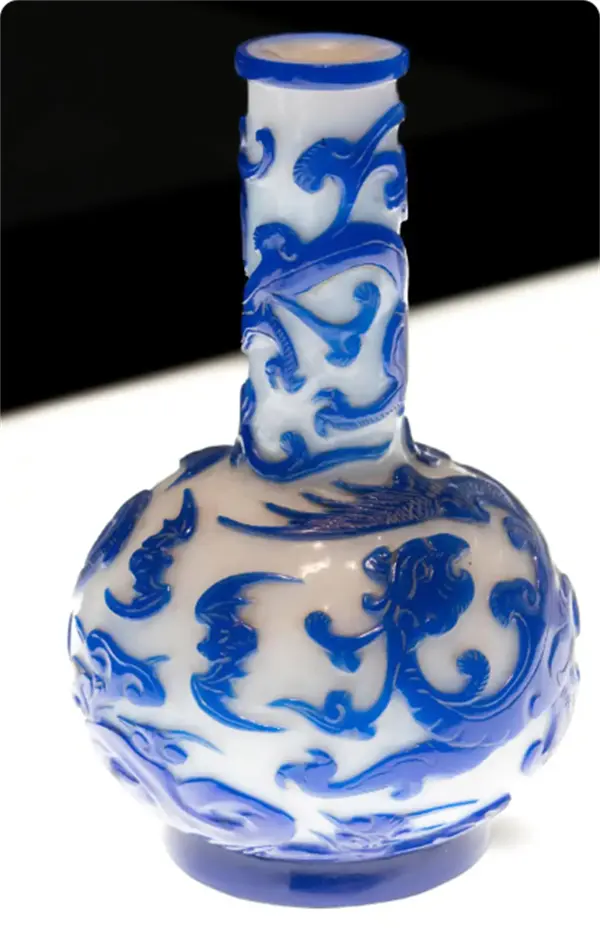
White set blue glass dragon and phoenix patterned bottle, Qing Qianlong
01 Complex blowing operation
The "Yanshan Zaji · Liuli" records that during the Ming Dynasty, there were blowing utensils such as bubble lamps, fish bottles, and Buddha's eyes that produced the "empty realm". Only Ming Dynasty molded glass imitation jade accessories remain today. The glass formula introduced from Europe during the Qing Dynasty allowed for complex blowing operations. In addition to freely blowing small objects, mold blowing is an important means of making complex objects. Dip a metal blow tube into the glass material probe and blow it into the mold. After forming, remove the mold and polish it, supplemented by carving and painting.
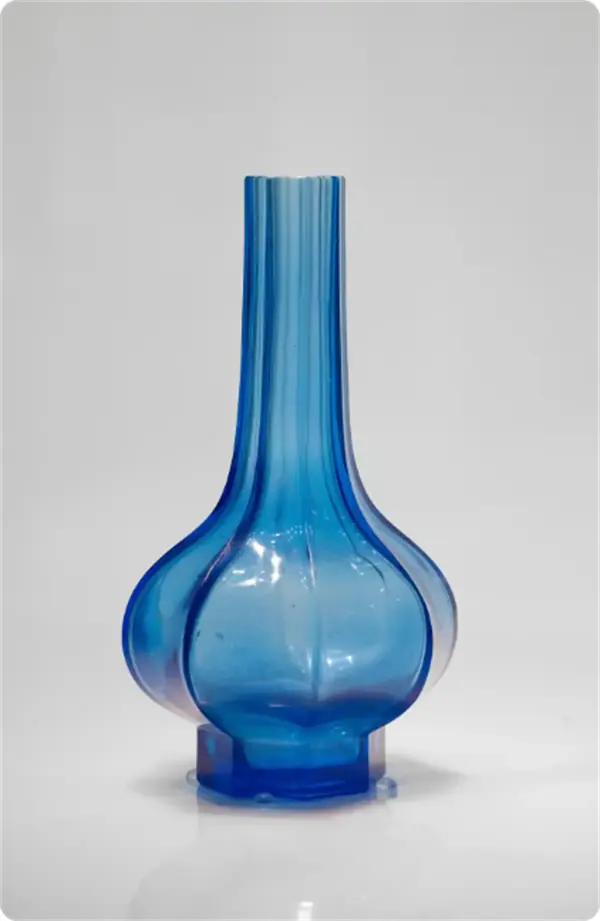
Blue transparent glass octagonal bottle Qing Yongzheng
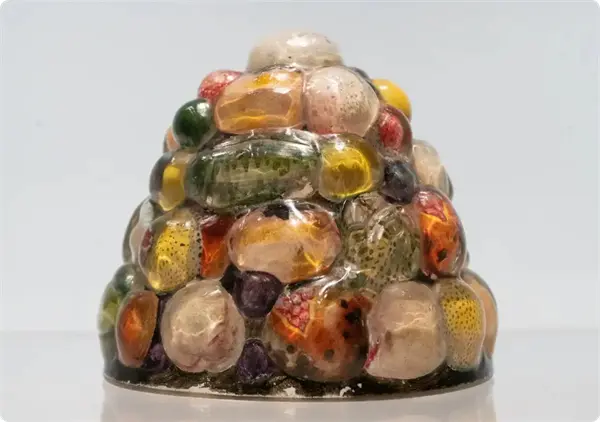
Various colored glass fruits for cleaning
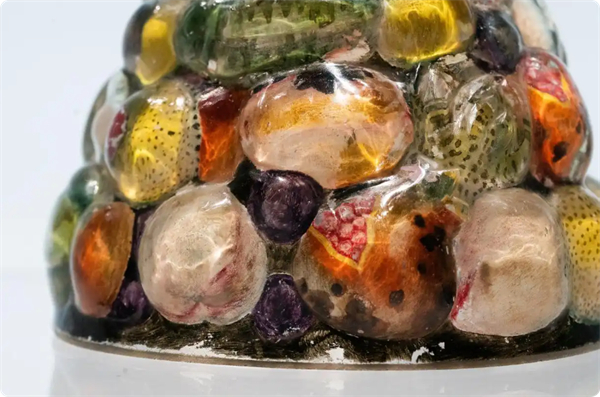
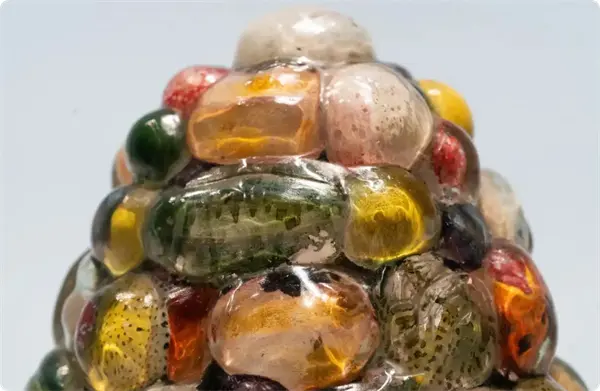
Colorful glass fruit supply (detailed picture) clear
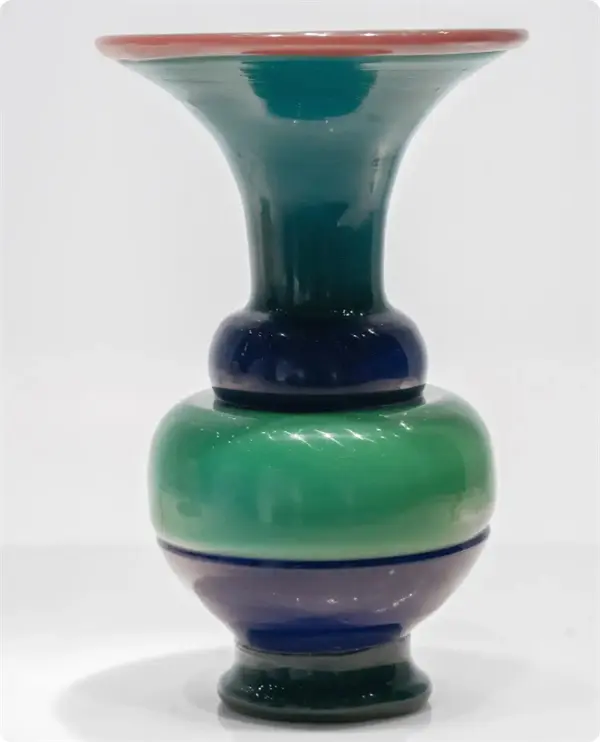
Four color glass bottle, Qing Qianlong
02 sets of glass
Covering glass is a combination of glass covering technology and carving technology, with the color of the core at the front and the color of the outer cover later referred to. It can be further divided into two categories: one is to cover monochrome glass with monochrome glass; The second method is "combination", which involves partially bonding and melting various colored glass parts onto the substrate, and then carving them locally.
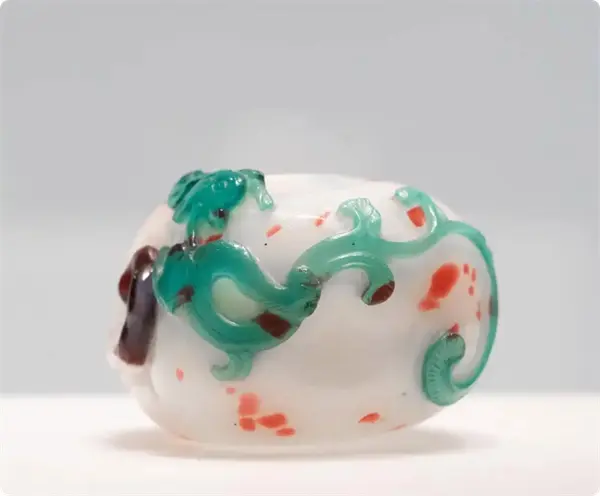
White colored glass with double bat patterns and melon shaped water, Qing Dynasty Qianlong
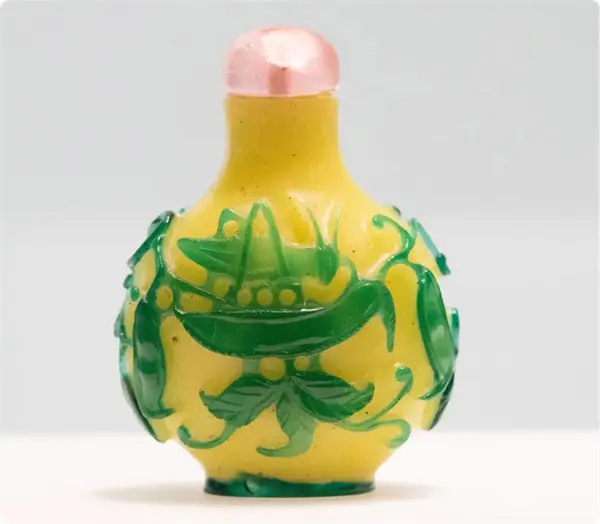
Yellow set green glass grasshopper pod patterned snuff bottle clear
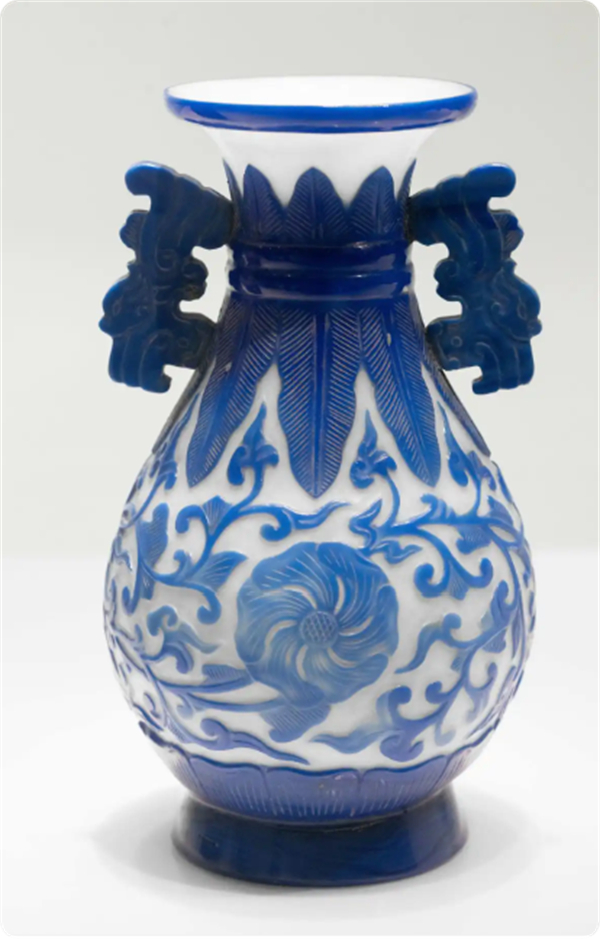
White set blue glass banana leaf entwined flower pattern double ear vase Qing Qianlong
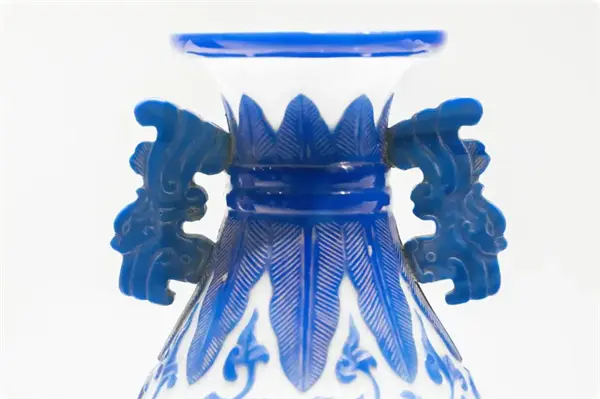

White set blue glass banana leaf entwined flower pattern double ear vase (detail picture) Qing Qianlong
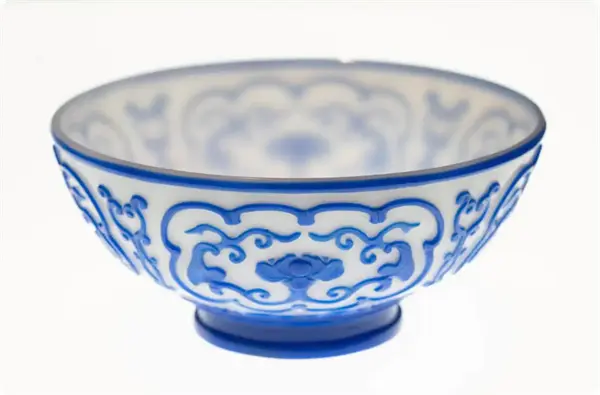
White set blue glass lotus patterned bowl, Qing Qianlong
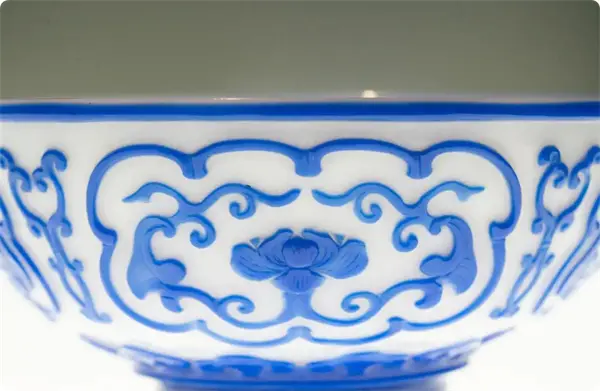
White set blue glass entwined lotus patterned bowl (detail picture) Qing Qianlong
03 Glass Painting
Glass painting is a form of painting that uses glass as a medium. As the image is presented beneath the glass, it is necessary to follow the order of detail representation before color background blending during the painting process, which is opposite to the normal painting process. On this basis, the late Qing Dynasty rapidly developed the technique of internal painting using curved pen tips, which was commonly used in small utensils such as snuff bottles.
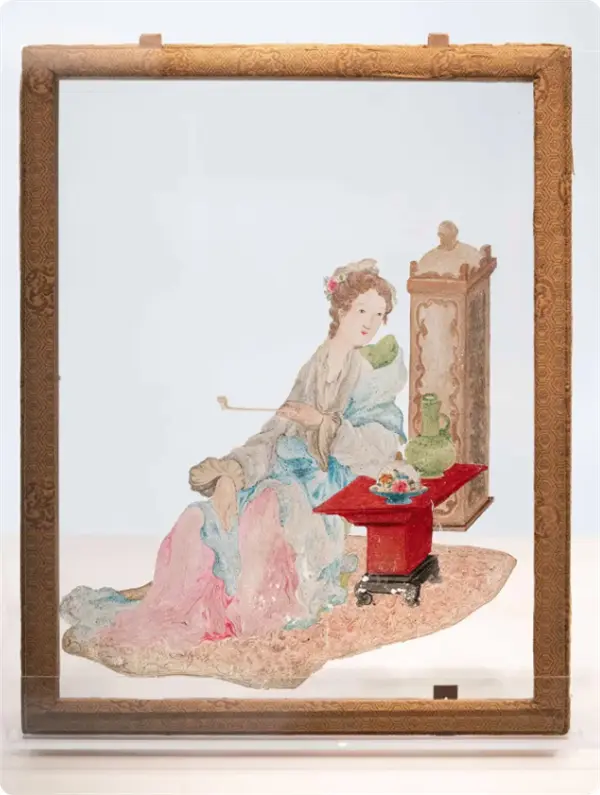
Western Ladies Painting Glass Painting Clear


Western Ladies' Glass Painting (Detail) Qing
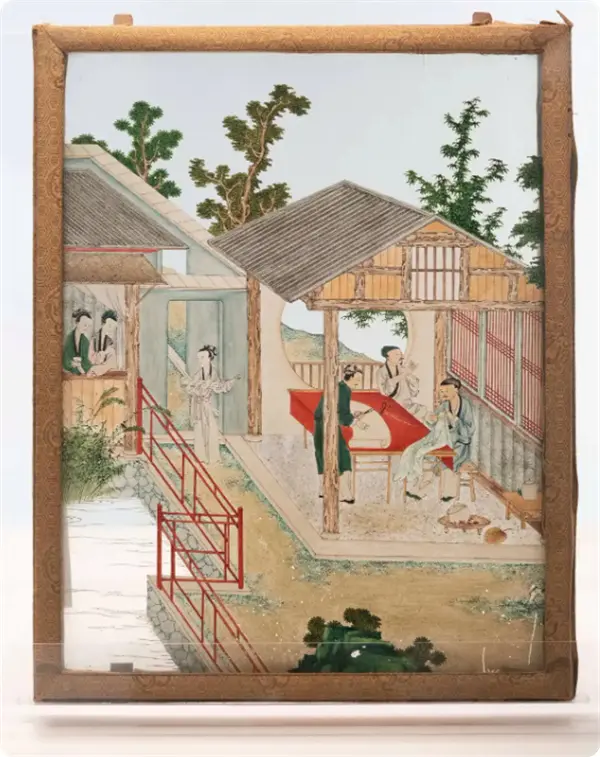
Farming and Weaving Diagram Glass Painting Clear
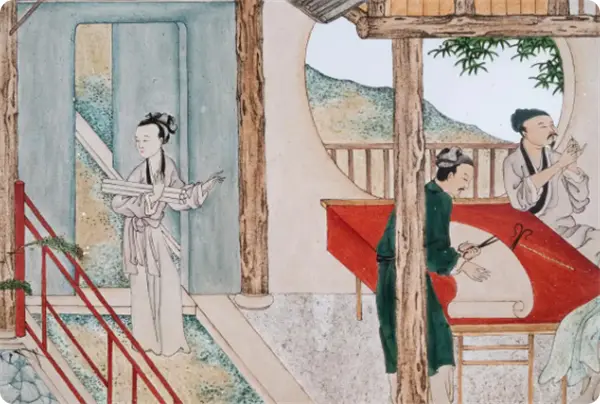
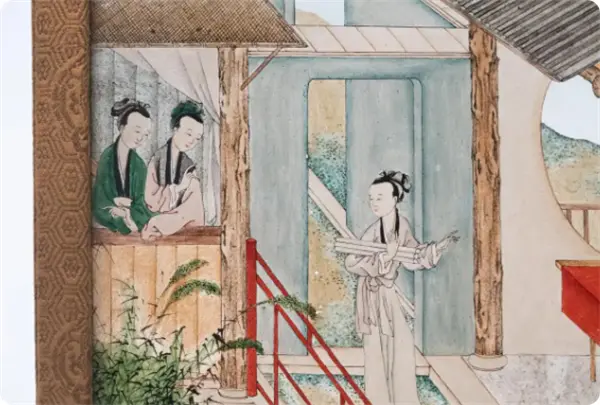
Farming and Weaving Diagram Glass Painting (Detail) Clear
04 engraved glass
Engraved glass can be roughly divided into diamond carving technique and car carving technique. There are still a small number of diamond carved glass from the Kangxi period. This technique originated in Venice in the early 16th century, where a diamond studded carving pen was used on glass surfaces for painting and grinding. During the Yongzheng period, carved glass extensively drew inspiration from traditional jade carving techniques, which are now commonly referred to as the "chariot carving technique".
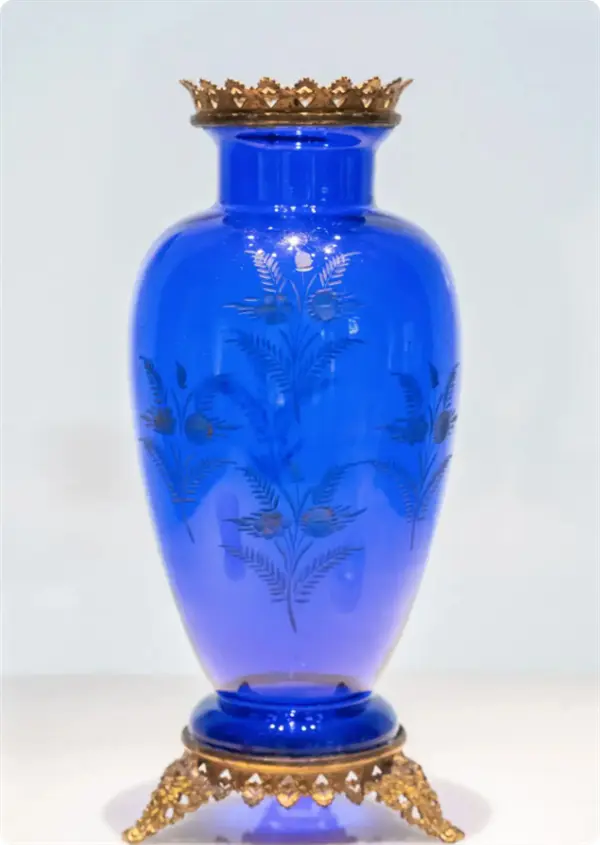
Western sapphire blue transparent glass carved floral vase from 19th century Europe
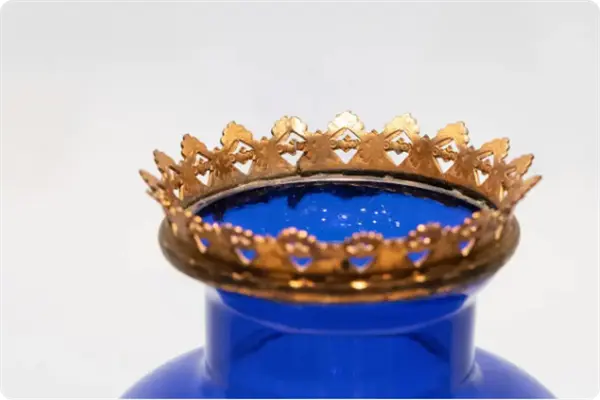
Western navy blue transparent glass carved floral vase (detail picture) 19th century Europe
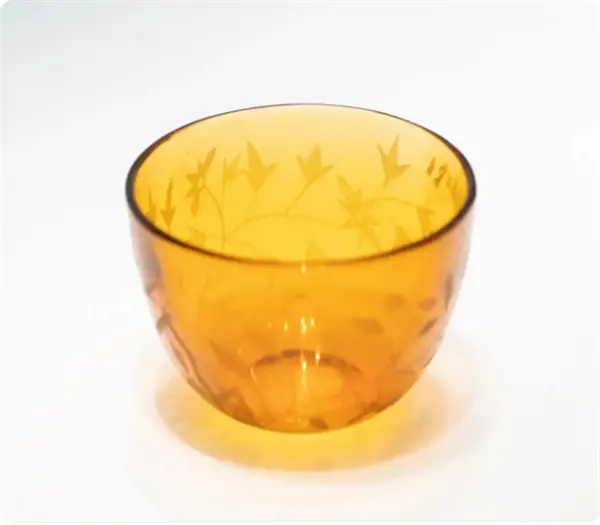
Amber transparent glass engraved butterfly patterned cup, Qing Qianlong
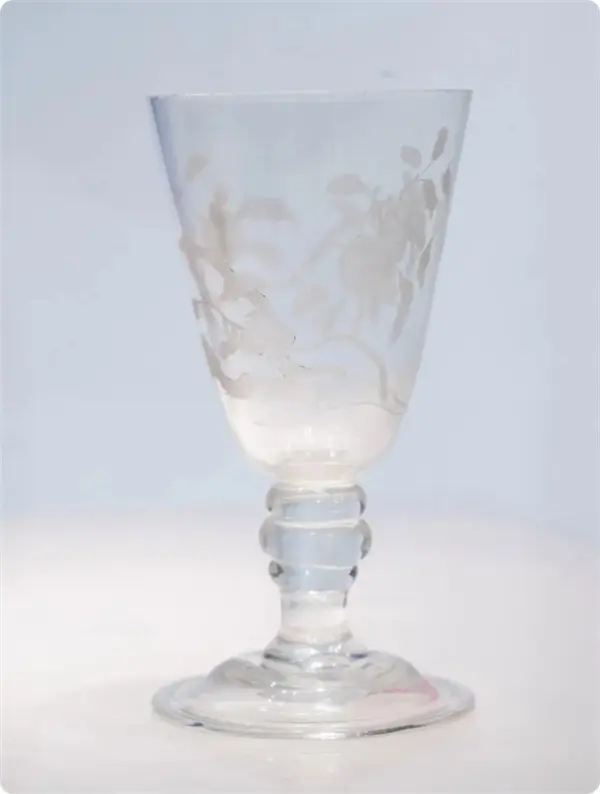
Transparent glass carved flower and fruit pattern high footed cup clear

Transparent glass carved flower and fruit patterned high footed cup (detail picture) clear
05 Golden Glass
Baojin glass refers to the process of creating fine and uniform dark lines on the surface of monochrome glassware, and then applying gold glue and foil inside the lines to create a golden texture. This technique was developed by drawing inspiration from lacquerware technology and is a unique decoration of Qing Dynasty court glass.
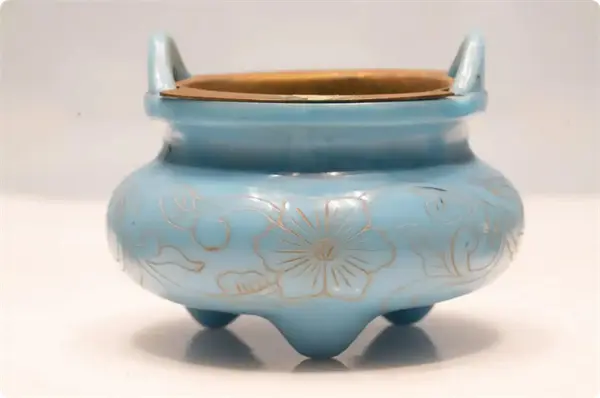
Sky blue glass railing gold entwined branch pattern tripod furnace Qing Qianlong
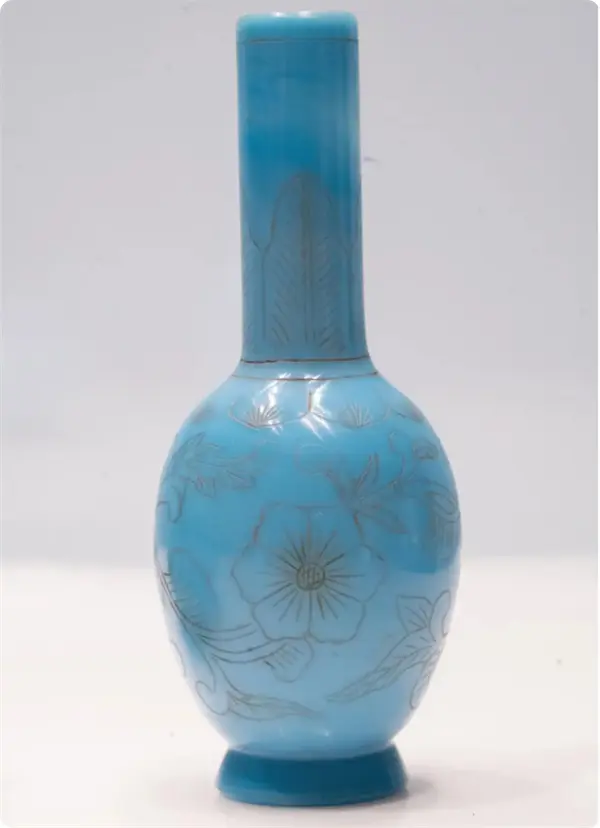
Sky blue glass vase with gold wrapped branches and floral patterns, Qing Qianlong
06 Venus Glass
The Venus glass is named after the crystal particles that shimmer with golden light inside its body. It was first introduced as a new type of glass in Venice in the 15th century and is referred to as the "Wendorina stone" or "Kashlun" in the Qing Palace archives. In the early years of the Qianlong reign, this variety was successfully fired in a glass factory under the guidance of missionaries. Due to its high hardness and difficulty in blowing, most existing Venus glassware is carved using jade carving methods, with a few objects having Venus glass pieces embedded outside the metal body.
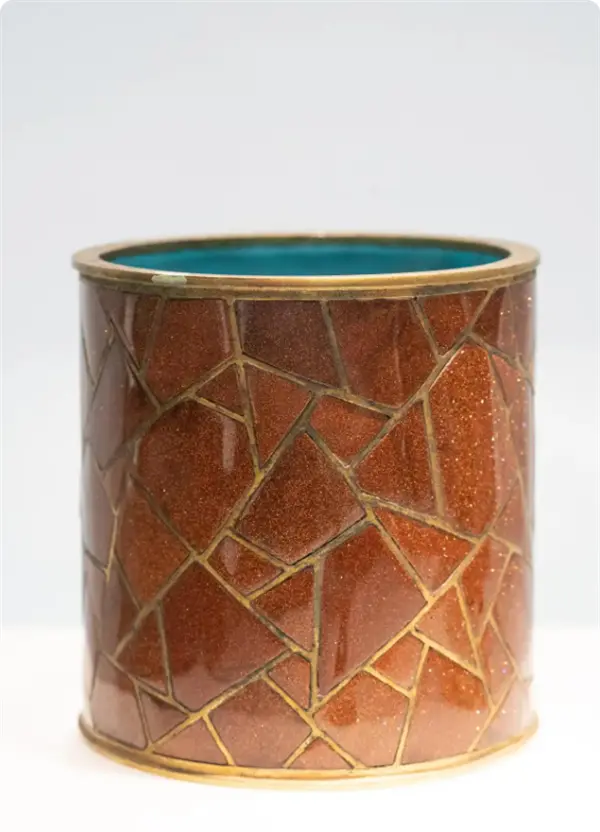
Copper tire embedded with gold star glass, ice crack pen holder, clear
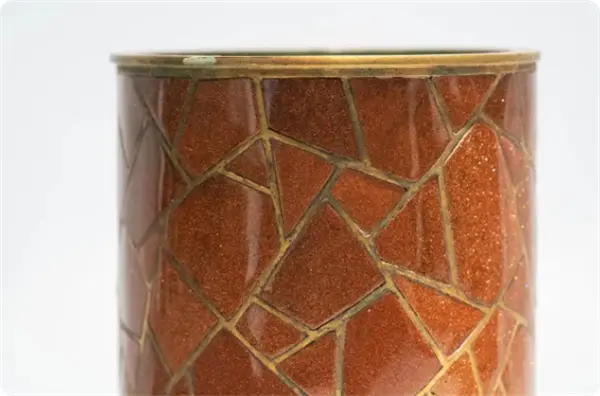
Copper tire embedded with gold star glass ice crack pen holder (detail picture) clear
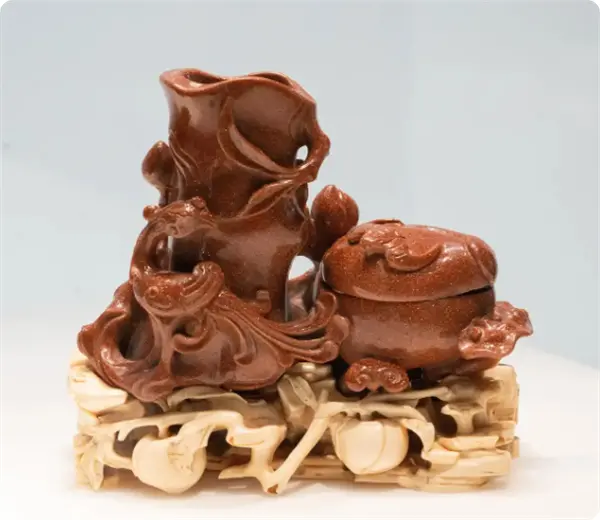
Venus Glass Carving Cloud Phoenix Pattern Double Connection Water City Flower Insertion Clear
07 More exquisite cultural relics
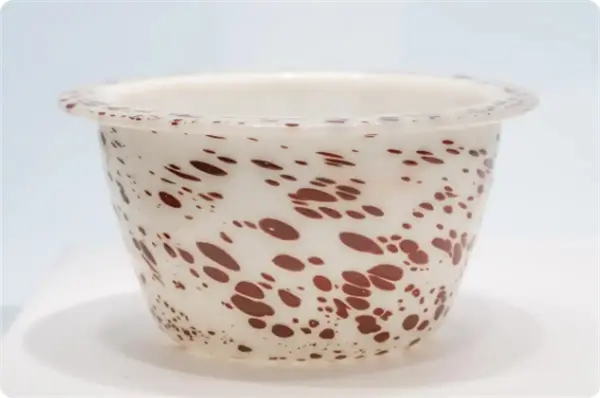
White glass, red dots, flowerpot, clear
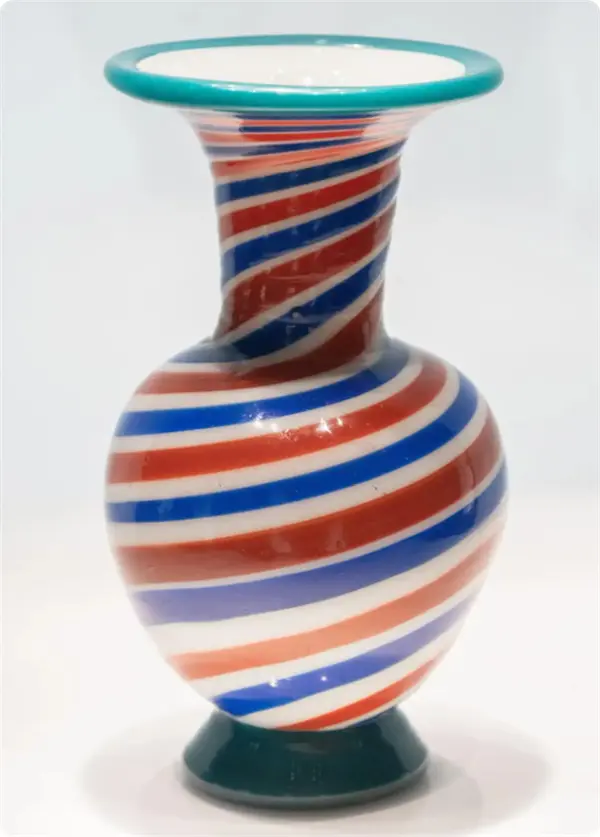
White glass wrapped with colored silk and spiral patterned glass bottle, Qing Qianlong
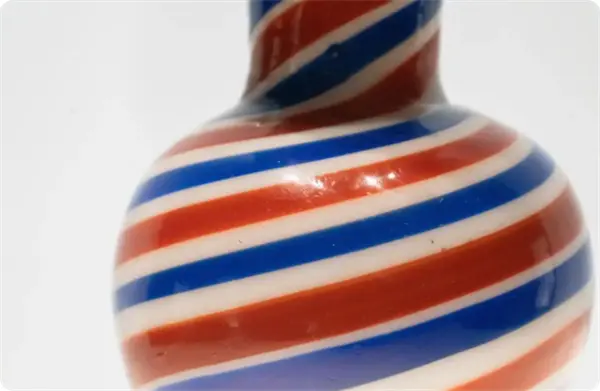
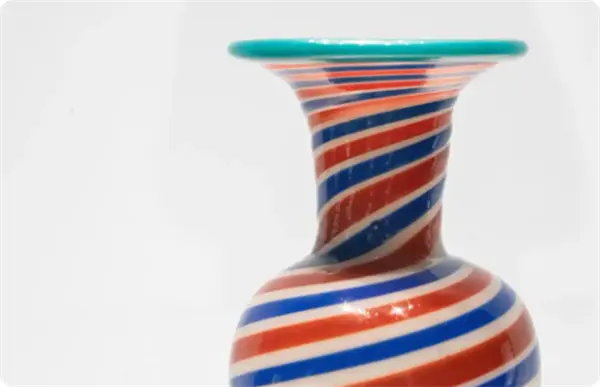
White glass spiral patterned bottle wrapped with colored silk (detail picture) Qing Qianlong
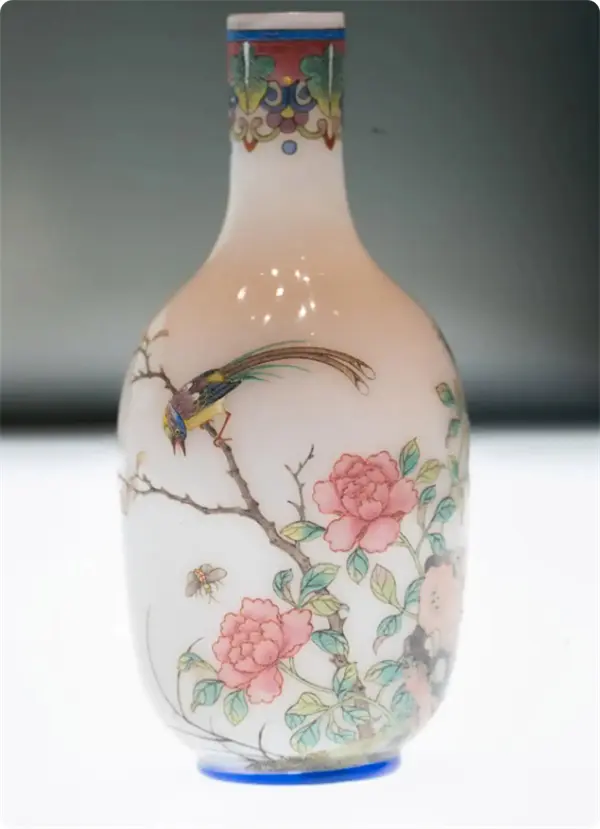
Glass body painting enamel flower and bird painting bottle Qing Qianlong
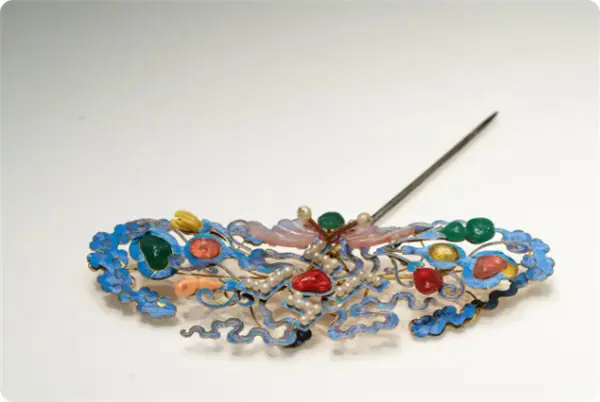
Diancui inlaid with glass, descendants with Bandai pattern, head flower, clear
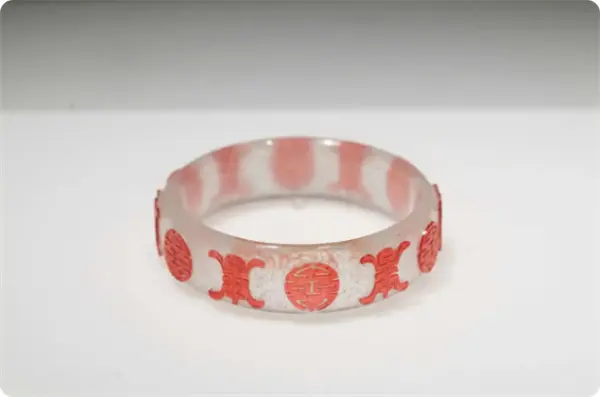
Feixue snow covered red glass longevity bracelet, clear
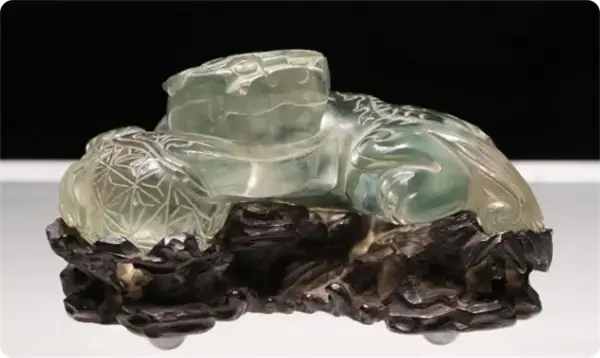
Transparent glass carved lying lion throwing ball clear

Western colored wrapped glass double ear cap bottle, 18th century Venice
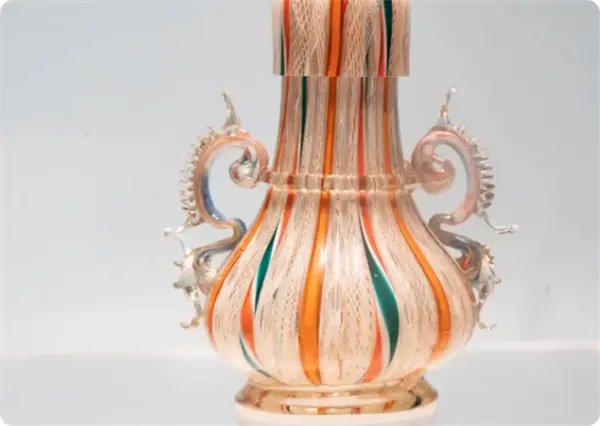
Western colored wrapped glass double ear cap bottle (detail picture) 18th century Venice