
 +86 13438161196





0102030405
Comparison Of Advantages Between Glass Cups And Ceramic Cups
2025-12-11
In our daily life, as a drinking tool, the choice of material for water cups is particularly important. Among various materials, Glass Cups and ceramic cups have become the first choice for people to drink water due to their unique characteristics and wide applicability. However, the question of which cup is safer for drinking water often sparks heated discussions among people. The following text will comprehensively analyze glass cups and ceramic cups from multiple perspectives such as material safety, health impact, and ease of use, in order to answer this question.
1、 Material safety
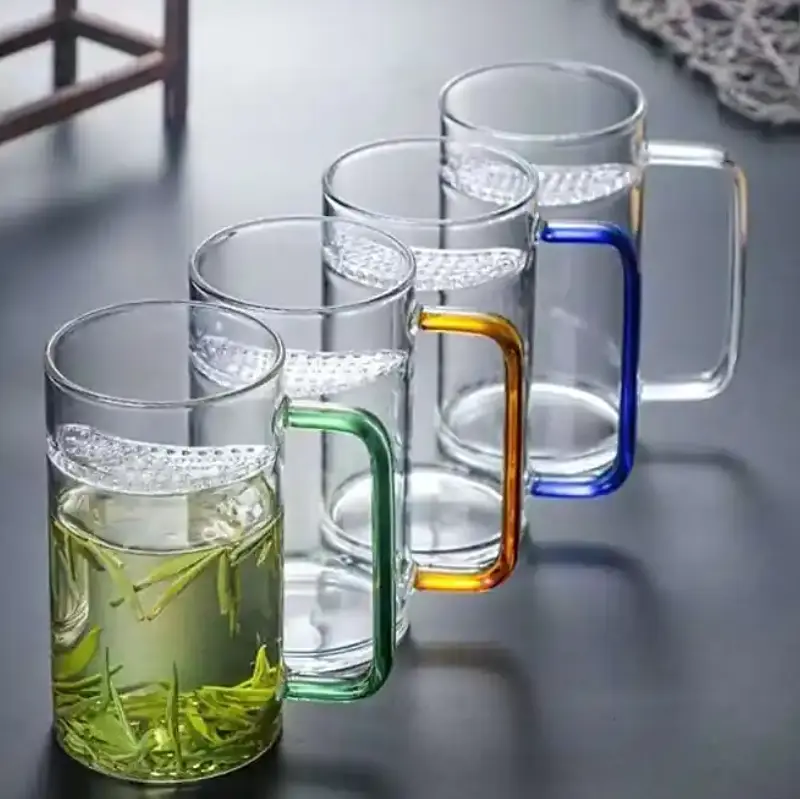
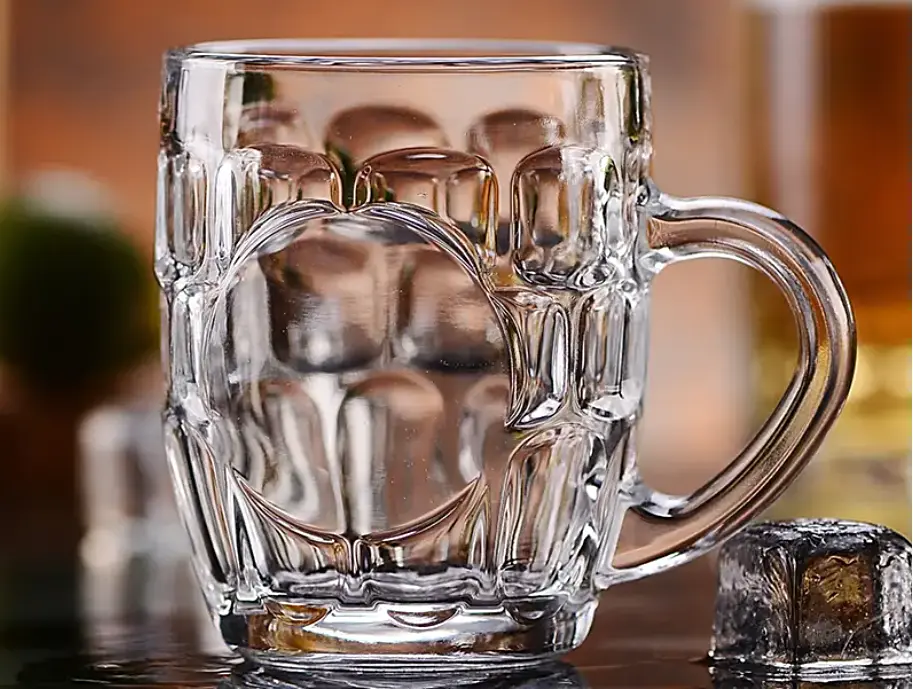
Glass cups: The material of glass cups is mainly composed of inorganic silicates, which are very stable compounds. During the firing process, the glass cup does not contain organic chemicals, so harmful substances will not be released during use. In addition, the surface of the glass cup is smooth, which is not easy to breed bacteria and dirt, and it is also very easy to clean. When hot water is poured into a glass, its material remains stable and does not undergo chemical reactions, ensuring the safety of drinking water.
Ceramic cups: Ceramic cups are usually made of natural materials such as clay, porcelain clay, etc., which are fired at high temperatures and can eliminate most harmful substances. However, it should be noted that some ceramic cups may have glaze added during the firing process to increase their aesthetic appeal, and these glaze may contain heavy metal elements such as lead. Especially for ceramic cups with bright colors and complex patterns, the heavy metal content in their glaze may be higher. When a cup is filled with boiling water or beverages with high acidity or alkalinity, these heavy metal elements may dissolve in the liquid, posing a potential threat to human health.
2、 Health impact
Glass cup: Due to its stable material and absence of organic chemicals, drinking water from a glass cup will not have any negative impact on human health. On the contrary, its smooth surface can effectively prevent the growth of bacteria and ensure the hygiene of drinking water. In addition, glass material has high transparency, making it easy to observe water quality and helping to detect and avoid drinking unclean water sources in a timely manner.
Ceramic cup: For ceramic cups without colored glaze coating and colorless inner walls, their material is equally safe and reliable, similar to glass cups, and will not pose a threat to human health. However, for ceramic cups with harmful glaze added, their health risks cannot be ignored. Long term use of such ceramic cups for drinking water or beverages may lead to the accumulation of heavy metal elements in the body, which in turn can cause a series of health problems.
3、 Convenience of use
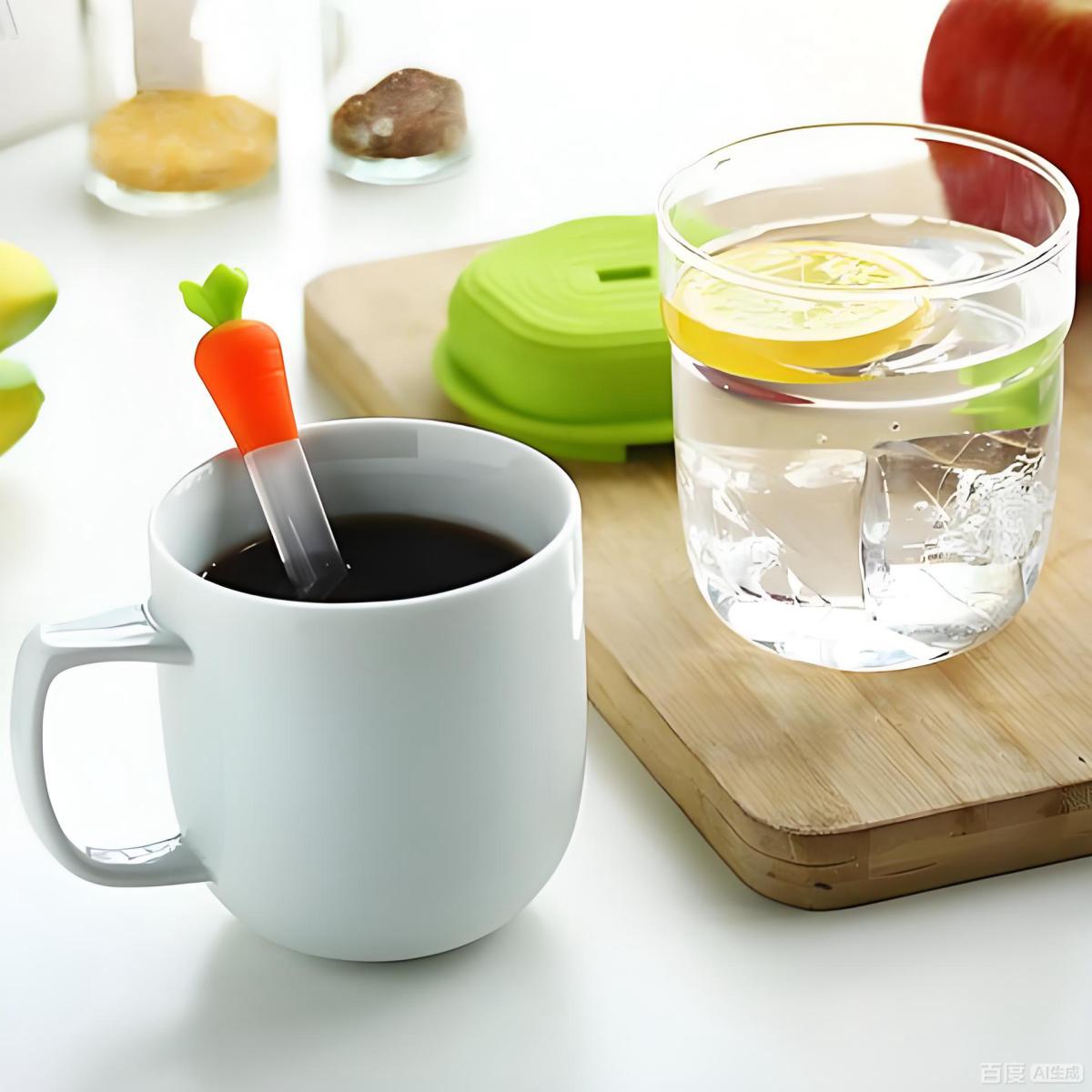
Glass cups: Glass cups have advantages such as high temperature resistance and resistance to deformation, making them easy to handle both hot and cold drinks. Meanwhile, its transparency and aesthetic appeal are also deeply loved by people. However, the disadvantage of glass cups is their fragility, which requires extra caution during use to avoid damage.
Ceramic cup: Ceramic cups also have high temperature resistance and better insulation performance than glass cups. For those who enjoy savoring the aroma of tea or coffee slowly, ceramic cups are undoubtedly a good choice. However, ceramic cups are relatively heavy and fragile, requiring more caution when carrying and cleaning.
4、 Comprehensive comparison
From multiple perspectives such as material safety, health impact, and ease of use, glass cups and ceramic cups each have their own advantages. For consumers who pursue absolute safety and health, glass cups are undoubtedly the best choice. Its stable material, transparent appearance, and easy to clean characteristics make the glass cup an ideal choice for drinking water. For consumers who pay more attention to insulation performance and aesthetics, they can choose ceramic cups with no colored glaze coating and colorless inner walls.