Leave Your Message

Why Is Vintage Martini Glassware So Popular?

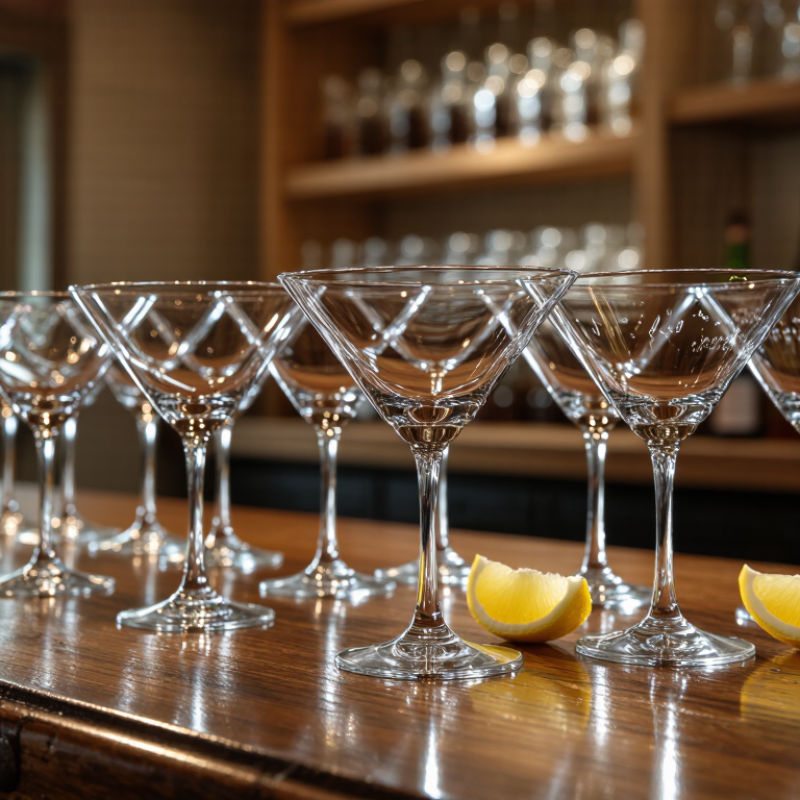
Vintage Martini Glassware has returned to cocktail carts, restaurant shelves, and carefully styled home bars. Its appeal is easy to picture: a thin stem, a cool bowl, and a sharp V-shaped silhouette catching light beside a lemon twist. Yet nostalgia is only part of the story. These glasses make an ordinary pour feel deliberate, even ceremonial.

The market context is broader than vintage alone. Grand View Research’s Glass Tableware Market Size report estimated the global market at USD 10.6 billion in 2023 and projected a 4.6% compound annual growth rate through 2030. That figure covers glass tableware overall; it does not prove that vintage Martini glasses are driving growth. Still, it reflects sustained interest in glassware as both a practical and decorative purchase. Cocktail historian David Wondrich’s research offers a useful lens: the Martini’s form and customs have changed over time, giving old glass styles a living connection to cocktail history. I can’t verify a verbatim Wondrich quotation on vintage glassware, so I won’t invent one. That matters. Collectors may value etched patterns, heavy bases, or tiny signs of age, but condition and provenance can be uneven. A little imperfection is part of the object—and a reason to look closely.
Why Is Vintage Martini Glassware So Popular?

What Defines Vintage Martini Glassware?

Vintage martini glassware is defined by age, form, and evidence of its making—not merely a retro look. Many older examples have a long stem and a broad, sharply angled bowl, designed to hold a chilled drink while keeping hands away from it. Others use a rounded coupe shape. That difference matters: “martini glass” is often used loosely in shops and collection notes.

Look closely at the details. A vintage piece may show fine engraved lines, pressed patterns, a slightly uneven rim, or subtle variation between matching glasses. The base might have a visible seam or tiny bubbles trapped in the glass. Small clues matter. None proves age alone. Reproductions can borrow old shapes, while genuine older glasses may look surprisingly plain. I’d treat a seller’s date as a helpful claim, not a guarantee.

Condition is part of the definition, too. Check the rim and stem in good light for chips, hairline cracks, cloudiness, or repairs. A glass that feels heavy is not automatically older, and a little wear can be difficult to judge. Not always. The word “vintage” can describe a broad range of periods and styles, so clear photos and specific descriptions are more useful than romantic labels.


How Martini Glass Designs Changed Over Time

The martini glass evolved from older stemmed cocktail cups, not from one sudden design breakthrough. By the early twentieth century, the sharp V-shaped bowl had become a familiar choice. Its long stem let drinkers hold the glass without warming the chilled drink. The broad rim also made the drink’s aroma easier to notice. It looked elegant, but it could be awkward: a small bump might send liquid over the edge. The shift was not perfectly linear.

Later designs responded to changing tastes and settings. Mid-century versions often kept the angular silhouette, while some modern bars favor smaller, rounded Nick-and-Nora-style bowls. These feel steadier in the hand and suit measured servings. Oversized bowls still appear, though their drama can outweigh their practicality. The U.S. National Restaurant Association’s 2024 State of the Restaurant Industry report projected restaurant and foodservice sales of $1.1 trillion that year. That scale helps explain why glassware remains a visible part of hospitality, even as menus and service styles change. Vintage pieces appeal partly because their proportions record those shifts: delicate stems, thin rims, and small imperfections that newer mass-produced sets may not reproduce. Yet old does not always mean better. A fragile rim can make daily use less appealing.

Why Is Vintage Martini Glassware So Popular? How Martini Glass Designs Changed Over Time

This chart shows the approximate capacity ranges commonly found in representative martini and cocktail glasses across different eras. Individual designs vary, but the trend illustrates the shift toward larger bowls. Vintage glassware appeals to collectors for its smaller proportions, distinctive silhouettes, and decorative details.

Capacities are approximate; styles and sizes vary within each era.

What Distinguishes Vintage Glassware from Modern Pieces?

Vintage martini glassware often feels different from modern pieces before a drink is even poured. Older glasses may have heavier stems, gently uneven rims, or small variations in bowl shape. These details can come from the glassmaking methods of their era, though not every vintage glass was handmade. Some were produced in large quantities, too.

Modern glassware usually offers more consistent dimensions. Set several matching glasses together, and their rims and stems are likely to line up neatly. Vintage sets may show subtle differences. Look closely. A faint seam, tiny bubble, or softly worn base can reveal age, but it can also reflect ordinary manufacturing. Those marks are not proof of superior quality.

The difference is practical as well as visual. A broad, shallow bowl gives a martini a familiar silhouette, while a slender stem keeps warm hands away from the drink. Older glasses can feel substantial, yet delicate rims or cloudy surfaces may need gentle care. Modern versions often suit frequent use and replacement more easily. Still, “vintage” does not automatically mean better. Some old pieces are awkward to hold, and some new ones have excellent balance. The appeal is often in the small irregularities—a slight tilt, perhaps—that make a glass feel individual, even if that same quirk is not always convenient.

Why Collectors and Cocktail Enthusiasts Value Vintage Glasses

Vintage martini glasses attract collectors because they turn an ordinary pour into a small study of design. Stem shapes, bowl proportions, etched lines, and subtle color shifts reveal changing tastes across decades. That variety matters. Enthusiasts compare how a glass sits in the hand, catches light, and frames a clear drink. Some prefer delicate, narrow bowls; others enjoy broad silhouettes that feel theatrical without being oversized. The appeal is visual, but also tactile.

Collectors look closely at condition and construction before buying. A fine rim, stable foot, and even-looking surface can make a piece more satisfying to use. Small scratches or a slight wobble may be part of its history, though they can affect everyday enjoyment. When records exist, ask about age and origin, and inspect each glass in natural light. Not every old glass is rare. That is worth remembering. Vintage pieces may need gentle hand-washing, and some are too fragile for regular entertaining. Imperfections can be charming, but nostalgia sometimes makes flaws seem more meaningful than they are. A tiny bubble may catch the light beautifully; a rough rim is less romantic against the lips.

Why Is Vintage Martini Glassware So Popular? - Why Collectors and Cocktail Enthusiasts Value Vintage Glasses

Dimension What Collectors Look For Why It Appeals Practical Considerations
Distinctive silhouettes Angular V-shaped bowls, rounded coupe-style bowls, and varied stem profiles. Different shapes give a collection visual variety and reflect changing cocktail fashions. Check that glasses sit steadily and fit the intended serving style.
Historical character Designs associated with different decades, from earlier coupe forms to the sharply angled cocktail glasses popular in the mid-20th century. The glassware offers a tangible link to changing home entertaining and cocktail culture. Styles overlap across periods, so shape alone cannot establish an exact date.
Craft and decoration Etched patterns, cut details, colored bowls or stems, and carefully formed profiles. Decorative details can make otherwise similar glasses feel individual and display-worthy. Inspect for worn decoration, chips, cracks, and signs of repair.
Material and clarity Clear or colored glass, with differences in weight, transparency, and finish. Material and light-catching details affect how a glass looks both on display and at the table. Handle older stemware carefully; avoid assuming that every vintage glass is dishwasher-safe.
Completeness and condition Matching sets, consistent shapes, intact rims, and stems without visible damage. A well-matched set can be attractive for both collecting and serving. Small rim chips and hairline cracks may be difficult to spot; inspect each piece in good light.
Use and display Glasses that balance decorative appeal with a comfortable hold and a suitable bowl shape. They can serve as functional cocktailware while adding a focal point to a bar or dining table. Store with space between stems and bowls to reduce the risk of knocks and breakage.
Reuse and sustainability Pre-owned glasses that remain safe and serviceable. Choosing reusable vintage pieces gives existing household objects a continued use. Prioritize sound condition and safe handling over age alone.

Note: Vintage styles and production periods can overlap. Condition, decoration, and shape are useful clues, but they do not by themselves confirm a glass’s exact age or value.

How Vintage Martini Glassware Shapes Modern Entertaining

Vintage martini glassware changes the feel of a gathering before anyone takes a sip. A slender stem lifts the drink above the table, while a wide, shallow bowl makes its clear surface part of the setting. Even a simple snack can look considered beside a glass with a gently curved rim. That matters. Guests often slow down when a drink feels like an occasion, though the glass cannot make conversation happen by itself.

Tips: Check each glass for chips, cloudy patches, or a loose stem before serving. Hand-wash delicate pieces with mild soap and a soft cloth. Set them on a stable tray, not a crowded edge. A small mismatch between glasses can look charming; a wobble is less charming.

For modern entertaining, vintage pieces add texture to clean-lined plates and plain linens. Their varied shapes create a collected look without extra decoration. They also invite practical choices: smaller pours, a tray for carrying, and enough space between place settings. Some old glasses feel surprisingly fragile, and that can make hosts overly cautious. I still think a little wear tells a story, but it should never compromise a safe, comfortable grip.