Leave Your Message

Why Choose Cold Drinking Glass for Your Business?

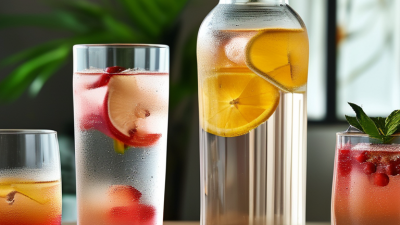
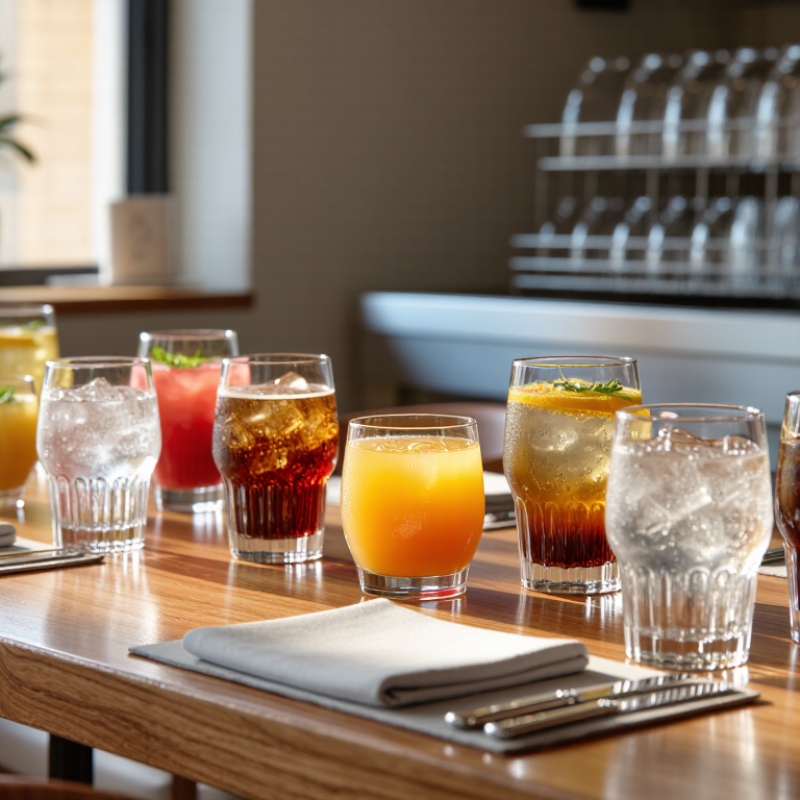
A glass can change how customers judge a drink before the first sip. Clear walls reveal ice, color, carbonation, and condensation. That visual moment matters in restaurants, hotels, cafés, and beverage retail.

Cold Drinking Glass offers a practical balance between presentation and product experience. Grand View Research estimates that the global glass packaging market will continue expanding through 2030, supported by demand for premium, recyclable packaging. Its analysis also identifies food and beverage applications as major market drivers. The European Container Glass Federation reports that glass packaging collection rates in Europe remain high, although performance differs significantly between countries. These findings suggest opportunity, not certainty.

The business case depends on more than appearance. A well-designed glass should feel stable, resist everyday handling, and maintain clarity after repeated washing. It should also suit the beverage: a thick base can support cocktails, while a lighter wall may improve comfort for chilled water or juice. In real service, details become visible. Wet fingerprints gather near the bowl. Ice strikes the rim. Glasses queue beside a commercial dishwasher.

Cold Drinking Glass can support a more premium table setting, but selection requires evidence. Compare breakage rates, thermal-shock performance, capacity, stacking needs, and replacement costs. Check food-contact compliance in the target market. Ask suppliers for test documentation, not only attractive photographs.

The choice is not automatically sustainable. Production, transport, washing, and breakage all consume resources. Still, durable glass may reduce frequent replacement and strengthen brand perception. That outcome must be measured, not assumed. Sources including Grand View Research’s Glass Packaging Market report and FEVE industry data provide useful context, but each business should validate results through its own operating conditions.
Why Choose Cold Drinking Glass for Your Business?

Cold Drinking Glass: Definition and Core Features

Why Choose Cold Drinking Glass for Your Business?

Cold Drinking Glass: Definition and Core Features

Cold drinking glass refers to glassware designed for chilled water, juice, soda, iced tea, and similar beverages. It is not simply any glass taken from a cupboard. Its shape, weight, and thermal performance support cold-drink service in cafés, restaurants, offices, and hospitality spaces.

A reliable cold drinking glass usually has a stable base and a comfortable rim. These details reduce tipping and improve the drinking experience. Clear glass also lets customers see ice, bubbles, fruit slices, or changing drink colors. Thick walls can improve durability, but they may feel heavier in daily service. That trade-off deserves attention.

Condensation is another practical feature. A cold glass may collect water on its outside, especially in humid rooms. A slightly textured surface can improve grip, while a suitable coaster protects wooden tables. Some glasses are dishwasher-safe, but cleaning instructions still matter. Sudden temperature changes can damage ordinary glass. No glass is unbreakable.

In busy service environments, I would check the glass by hand before ordering large quantities. Look for tiny rim chips, uneven bases, and cloudy marks after washing. These small defects often become bigger problems during repeated use. Capacity should match the menu, too. A tall glass suits iced beverages, while a compact tumbler may work better for water service. The perfect choice is rarely perfect for every drink.
How Cold Drinking Glass Supports Beverage Service

Why Choose Cold Drinking Glass for Your Business?

How Cold Drinking Glass Supports Beverage Service

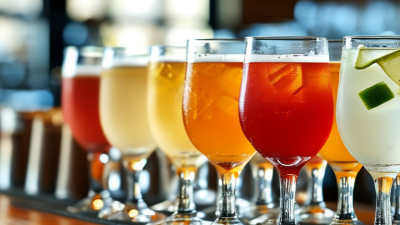
A cold drinking glass does more than improve presentation. It helps maintain the intended temperature of chilled beverages during service. In a busy café or dining room, a pre-chilled glass can slow warming between the bar and the customer’s table. This matters with iced tea, juice, sparkling water, and other cold drinks. Clear glass also lets guests see ice, bubbles, and color before the first sip. That visual detail can influence their expectations.

From practical service experience, glass temperature should match the beverage and serving time. A glass stored at around 4–6°C may support a colder drink better than one sitting near a warm counter. However, condensation can make handling slippery. Staff should use clean, dry trays and avoid filling glasses beyond a comfortable level. The method is not flawless. Fast service, warm rooms, and frequent door opening can reduce the effect. Regular checks are still necessary.

Tips: Chill glasses gradually to reduce thermal shock. Keep rims free from fingerprints and water marks. Do not place warm glasses directly into extreme cold. Inspect each glass for chips before service. A small detail can prevent a poor customer experience. Sometimes, simple handling matters more than expensive equipment.

Key Benefits for Business Operations and Customer Experience

Why Choose Cold Drinking Glass for Your Business?

A cold drinking glass can support smoother daily operations and a more polished customer experience. Its clear surface lets staff check drink levels quickly during busy service. This reduces unnecessary handling and helps orders move faster. Durable glass also withstands repeated use when it is properly selected and maintained. Choose food-safe material with dishwasher-tested performance. Standard shapes can simplify storage, washing, and replacement. That matters when shelves, sinks, and service counters become crowded.

Customers notice details before tasting a drink. A chilled glass can make water, juice, or a soft drink feel fresher. Visible condensation may also suggest suitable serving temperature. A stable base gives customers confidence while they sit, talk, or work. Clear glass shows the drink’s color and texture without distraction. Small details like these can influence perceived care. They do not replace good service.

Operational reliability depends on more than appearance. Staff should inspect rims, bases, and cloudy surfaces during routine checks. Even strong glass can chip after repeated impact. It is not a perfect solution. Managers may also need different sizes for table service, takeout areas, and beverage stations. In my view, businesses sometimes focus too much on presentation and overlook handling comfort. A glass that looks elegant but feels heavy may slow service. The best choice balances appearance, safety, cleaning demands, and customer expectations.

Material, Design, Size, and Insulation Considerations

Why Choose Cold Drinking Glass for Your Business?

Material selection starts with safety and daily handling. Soda-lime glass suits most restaurants because it is affordable, clear, and easy to clean. Borosilicate glass handles temperature changes better, but usually costs more and may break sharply. The FDA Food Code 2022 emphasizes smooth, durable, and nonabsorbent food-contact surfaces. That makes a well-finished glass more practical than a decorative piece with deep grooves. UNEP’s 2023 Turning off the Tap report identifies packaging as roughly 40% of global plastic waste. Reusable glass can support a lower-disposable service model, although washing still consumes water and energy. The choice is not automatically greener.

Design affects service speed. A slightly weighted base helps prevent tipping on wet counters. A rolled rim feels comfortable and reduces small chips. Textured surfaces improve grip, but fingerprints may become more visible. Choose carefully. For standard cold drinks, 250–400 milliliters works for many cafés and dining rooms. Larger 500–600 milliliter glasses suit table service, but they need more storage space and heavier racks. Insulation matters when condensation damages menus or wooden tables. Double-wall glass reduces exterior moisture and slows temperature change. It also costs more and requires careful inspection. The U.S. EPA’s Facts and Figures data reported 82.2 million tons of containers and packaging in municipal waste in 2018. A durable glass may reduce replacement frequency, yet no glass lasts forever. Staff training still matters. A good design cannot fix careless stacking.

Why Choose Cold Drinking Glass for Your Business?

Material, design, size, and insulation considerations for cold beverage service

Material

Glass provides a neutral taste and clear presentation. Lower thermal conductivity materials transfer heat more slowly.

Design

Double-wall construction reduces condensation and improves hand comfort compared with single-wall designs.

Size

Common service sizes include approximately 250–300 mL for standard servings and 400–500 mL for larger cold drinks.

Insulation

An air gap or vacuum layer can reduce heat transfer, but actual cooling performance depends on wall thickness, lid design, ice, and ambient temperature.

Typical room-temperature thermal-conductivity values shown for commonly used beverage materials. Lower values indicate slower conductive heat transfer. Actual values vary by formulation, temperature, and construction.

How to Select and Maintain Cold Drinking Glass for Your Business

Selecting cold drinking glassware requires more than matching a menu’s visual style. Choose clear, lead-free glass with a stable base, comfortable rim, and capacity suited to your serving size. For busy venues, stackability and dishwasher compatibility matter. Ask for documented thermal-shock testing, such as methods referenced by ASTM glass-container standards. Thin walls look elegant, but they may break more easily during rapid temperature changes.

Use separate storage areas for clean and used glasses. Inspect every rim before service. Look for chips, hairline cracks, cloudy stains, and rough edges. Remove damaged pieces immediately. The 2022 FDA Food Code requires food-contact utensils to be cleaned and sanitized, then allowed to air-dry. Avoid placing an ice-cold glass directly under very hot water. That shortcut can create thermal stress. It saves seconds, sometimes.

Cleaning temperature and chemical concentration should follow the equipment supplier’s instructions. Staff should handle glasses by the base or lower body, not the drinking rim. The CDC estimates that foodborne illnesses affect about 48 million people annually in the United States, based on its published national estimates. That figure is not caused by glassware alone, but it shows why small hygiene controls deserve attention. A practical weakness remains: visual checks can miss invisible damage. Periodic replacement records and staff training provide better control than appearance alone.

Why Choose Cold Drinking Glass for Your Business? - How to Select and Maintain Cold Drinking Glass for Your Business

Evaluation Dimension Recommended Specification or Practice Business Benefit Selection and Maintenance Guidance
Material Use food-contact glass made from soda-lime glass for general service, or borosilicate glass when greater resistance to sudden temperature changes is required. Glass is non-porous, does not retain flavors easily, and provides a clear view of the beverage. Check that the product is intended for food contact. Avoid glasses with chips, cracks, or sharp rim damage.
Typical Capacity Choose approximately 250–350 ml for juices and soft drinks, 350–500 ml for iced tea and mixed drinks, and 500 ml or more for large-format cold beverages. Capacity can be matched to serving size, menu pricing, and portion-control requirements. Keep a consistent glass size for each menu item to support predictable recipes and reduce over-pouring.
Wall and Base Design Select a stable base and a wall thickness suitable for frequent commercial handling. Double-wall construction may be used for insulation and condensation reduction. A stable structure improves handling, while insulated designs can help keep the exterior drier. Inspect the base regularly for stress marks. Do not stack glasses higher than the manufacturer’s recommended limit.
Thermal Performance For ordinary cold beverages, use glasses designed for chilled liquids. Avoid exposing standard glass to sudden extreme temperature changes. Appropriate thermal use reduces the likelihood of breakage and service interruptions. Do not pour boiling liquid into a cold standard glass or place a cold glass directly on a very hot surface. Follow the product’s temperature instructions.
Cold Retention Pre-chill the glass when appropriate, and use ice, chilled ingredients, or insulated construction according to the beverage recipe. Helps maintain serving temperature and improves the customer’s drinking experience. Chill glasses in a clean refrigerator or approved glass chiller. Avoid storing them where they can absorb food odors.
Condensation Control Use a stemmed, textured, or double-wall design when reducing exterior moisture is important. Less condensation can improve grip and help protect tables, counters, menus, and service trays. Use clean coasters or service trays when needed. Dry the outside of the glass before carrying multiple drinks.
Shape and Ergonomics Select a shape that provides a secure grip, a comfortable rim, and enough clearance for ice and garnishes. Improves usability, presentation, and service efficiency. Test filled glasses with wet hands and service trays before purchase. Avoid shapes that are difficult to grip or clean.
Ice and Garnish Compatibility Match the opening diameter and internal volume to the required ice format, fruit slices, herbs, foam, or other garnish. Supports consistent presentation and reduces spills during service. Confirm that tongs, stirrers, and cleaning brushes can reach the interior and base of the glass.
Dishwasher Compatibility Choose commercial-dishwasher-compatible glassware when the operation uses machine washing. Can reduce manual labor and support consistent sanitation procedures. Load glasses securely, avoid contact between items, use the correct rack, and follow the equipment and glassware instructions.
Cleaning Method Wash with food-safe detergent and clean water, then rinse thoroughly and air-dry or dry with a clean, lint-free cloth. Removes residues, odors, and visible marks that can affect beverage quality. Clean glasses before first use and after every use. Pay special attention to the rim, base, and areas around printed or textured surfaces.
Sanitation Use the applicable food-service sanitizing procedure and concentration specified by local regulations or the sanitizer label. Supports hygienic beverage service and helps reduce cross-contamination risks. Do not place clean glasses rim-down on unclean surfaces. Store them in a dry, protected location.
Inspection Frequency Inspect glassware during daily setup and whenever a glass is dropped, struck, or exposed to unusual temperature stress. Early removal of damaged items can help prevent cuts, leaks, and glass fragments in service areas. Discard chipped, cracked, deeply scratched, or visibly weakened glasses. Do not continue using damaged glassware.
Storage Store glasses in a clean, dry cabinet or rack with sufficient spacing and stable support. Reduces dust accumulation, impact damage, and handling losses. Follow the stacking guidance for the specific design. Keep heavy items away from glassware and avoid unstable piles.
Inventory Planning Maintain enough service-ready glasses for peak demand, cleaning cycles, breakage, and temporary shortages. Helps prevent delays, inconsistent presentation, and emergency substitutions. Track usage and breakage by glass type. Standardize common sizes where possible to simplify purchasing and storage.
Sustainability Consideration Prefer durable, reusable glassware that can withstand the operation’s cleaning and handling conditions. Longer service life can reduce replacement frequency and single-use beverage-container waste. Compare durability, cleaning requirements, transport protection, and expected replacement rate rather than purchase price alone.

Note: Always follow the glassware manufacturer’s instructions and applicable local food-service, sanitation, and workplace-safety requirements.