What Is the Best Coffee Mug Tumbler Type?
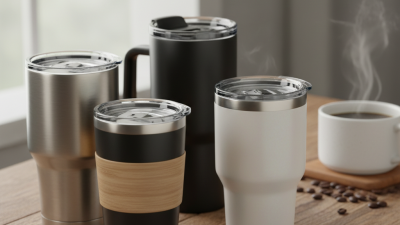
Choosing the best Coffee Mug Tumbler depends on how you drink, carry, and clean it. A commuter may value a leak-resistant lid and a shape that fits a car cup holder. At a desk, a ceramic-lined interior can help preserve familiar coffee flavors. For long trips, insulation matters more: a sturdy double-wall body can keep a drink warm while the morning turns busy.
There is no single winner for every routine. A slim stainless-steel tumbler travels well, but some models are awkward to wash around the lid. A ceramic mug feels familiar in the hand, yet it may not protect coffee from cooling quickly. Even small details count. Does the lid open smoothly? Can you reach every corner with a brush? Does the base wobble beside your keyboard? These are easy to overlook in a product photo.
A useful buying rule is simple: “Choose the tumbler that fits your real routine, not an imagined one.” I can’t verify that sentence as a quotation from a named Coffee Mug Tumbler industry expert, so I won’t attach it to someone falsely. Instead, this guide will compare common tumbler types by insulation, materials, portability, cleaning, and everyday comfort. A little trade-off is normal. The best choice is the one you will actually enjoy using.
Define Coffee Mug Tumblers by Shape, Capacity, and Everyday Use
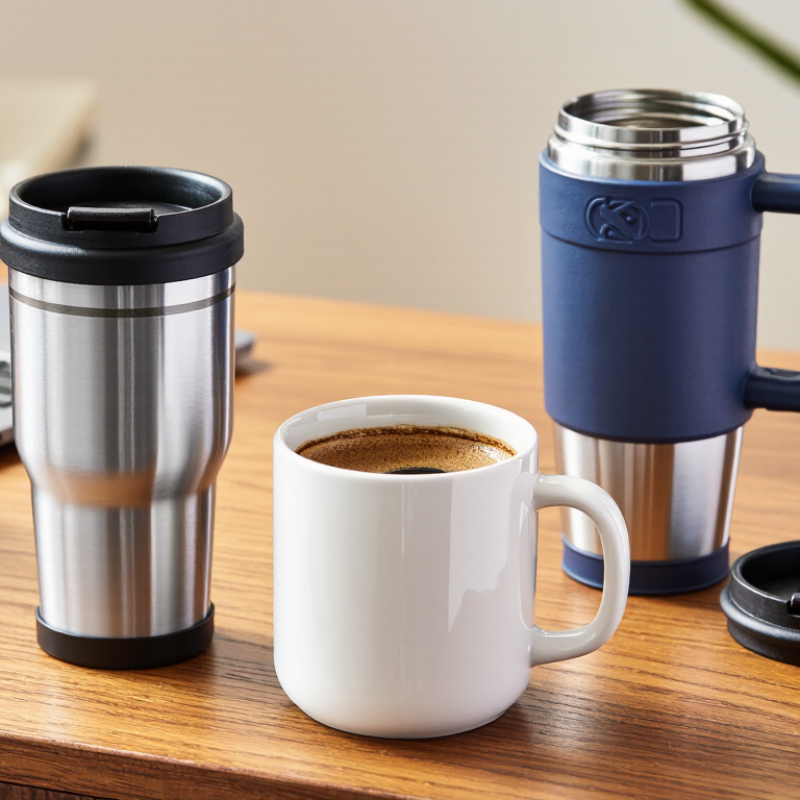
A coffee mug tumbler is best defined by its shape, capacity, and daily purpose. A handled tumbler feels familiar, like a home mug, and suits desk work or relaxed mornings. A straight-sided model offers a stable grip and often fits standard cup holders. Tapered tumblers are easier to carry, but their narrower base may feel less steady on a crowded table. Shape matters more than appearance when your hands are wet or your commute is bumpy.
Capacity should match your drinking routine. A 10–12 ounce tumbler works well for one measured coffee. Choose 14–16 ounces for a longer work session, especially if you add milk. Larger sizes can reduce refills, yet they may become heavy before you finish the drink. In practical use, I find that a comfortable weight beats maximum volume. Heat retention also depends on the lid, seal, and how often you open it. No tumbler keeps coffee perfect forever.
Tips: Check the lid with cold water first. Look for leaks around the seal. Wash narrow openings with a small brush. If you drink while driving, choose a secure, one-hand lid. A dishwasher-safe design saves time, but manufacturer instructions still matter. I sometimes choose a smaller tumbler and regret it during long meetings. Still, that mistake reminds me to measure my usual serving before buying.
How to choose: Smaller cups suit short servings, standard mugs work well for everyday coffee, and larger tumblers provide more capacity for commuting or extended use. Shape also affects handling: tapered designs are easier to grip, while straight-sided tumblers commonly offer more volume.
Compare Ceramic, Glass, Stainless Steel, and Plastic Construction
Choosing the best coffee mug tumbler depends on how you drink, travel, and clean it. Each material changes the flavor experience, weight, durability, and heat retention.
Ceramic offers a familiar, balanced feel. It usually keeps coffee’s taste clean and feels comfortable against the lips. However, ceramic can chip or break when dropped. Glass shows the coffee clearly and resists lingering odors. It also suits careful home use, though its surface becomes hot without insulation. I like glass for slow morning drinking, but I have underestimated how easily it can slip.
Stainless steel is the practical choice for commuting. It resists dents better than ceramic and can keep coffee warm for several hours. Some users notice a faint metallic taste, especially with poorly maintained interiors. Plastic is lightweight and less likely to shatter. It works well for casual travel, but scratches may hold odors over time. Heat can also soften certain plastics or affect their comfort, so checking food-contact safety information matters.
Tips: Match the tumbler to your routine. Choose ceramic for a desk, glass for visible brewing, stainless steel for long trips, and plastic for lightweight use. Check the lid seal before filling it. Hand-wash delicate parts and inspect scratches regularly. A wider opening helps cleaning, although it may release heat faster. I once chose insulation over comfort and regretted the bulky grip during a long walk.
Evaluate Lids, Leak Resistance, and Fit in Standard Cup Holders
What Is the Best Coffee Mug Tumbler Type?
A good coffee mug tumbler should match your daily routine, not just look attractive. During commutes, I check the lid before judging the cup itself. A secure lid should close with clear resistance and stay stable when the tumbler is carried in one hand. Sliding covers offer quick sipping, but they may leave small gaps around the drinking opening. Flip-top lids often provide better protection, although their hinges can collect coffee residue. That detail matters.
Leak resistance requires a practical test. I fill the tumbler, tighten the lid, and place it sideways on a clean towel for several minutes. Then I gently shake it inside a bag. A few drops around the seal suggest poor alignment or a weak gasket. No lid stays reliable when it is loosely closed. I once trusted a tight-looking seal and found coffee under my notebook. The mistake was mine, but the design was not clear enough.
Fit in standard cup holders is equally important. Measure the tumbler’s base, not its widest section. A wide, tapered body may fit a kitchen holder but jam in a car’s narrow insert. The cup should sit deeply without wobbling. Test it during turns and sudden stops. Handles can improve grip, yet they may prevent proper insertion. I prefer a compact base, a washable seal, and a lid that opens with one hand. Still, cleaning access deserves more attention than I usually give it. A complicated lid can perform well at first and become unreliable when hidden residue builds up.
Match Tumbler Capacity to the SCA Brew Ratio of 55 g/L ±10%
What Is the Best Coffee Mug Tumbler Type?
A useful tumbler starts with coffee volume, not appearance. The SCA brew ratio uses 55 grams of coffee per liter of water, with a 10% range. That equals 49.5 to 60.5 grams per liter. A 350 ml tumbler therefore suits about 17 to 21 grams of coffee. A 500 ml tumbler needs roughly 25 to 30 grams. These amounts assume the full water volume becomes brewed coffee.
Leave space at the top. A sealed tumbler should not be filled completely, especially when carrying hot coffee. For a 350 ml vessel, a practical brew target may be 300 ml. Using the central ratio, that requires about 16.5 grams of coffee. My first estimate was off because I measured the tumbler’s advertised capacity, not its usable capacity. That small mistake made the drink taste stronger than expected.
Use a digital scale and record the water volume before brewing. Check the coffee after five minutes, when its temperature and aroma settle slightly. A wide opening helps with aroma and cleaning, while double-wall insulation slows heat loss. However, insulation can hide over-extraction because the coffee stays hot longer. I still sometimes choose a smaller tumbler for better control. Bigger is not always better. A lid with a secure seal matters during travel, but it should not restrict the drinking flow. Matching capacity to the 55 g/L ratio gives a repeatable starting point, then taste can guide small adjustments.

 +86 13438161196
 CONTACT NUMBER
 CONTACT NUMBER