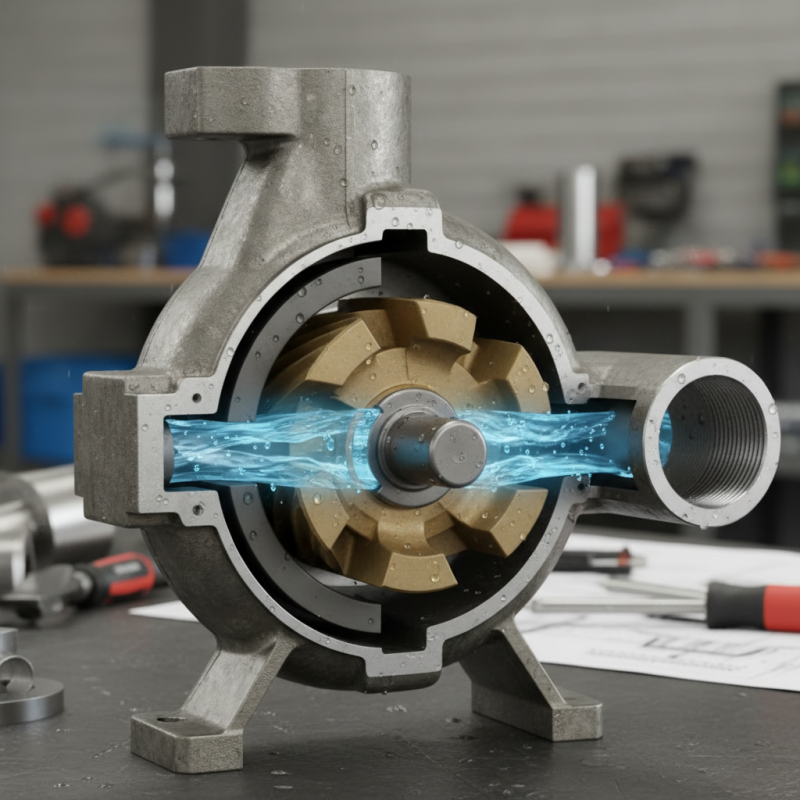
What is a Water Pump Casing and How Does It Function?
A water pump casing is an essential component in many mechanical systems. It serves as the outer shell that houses the internal parts of the pump. This casing ensures that water is efficiently contained and directed through the pump. Without it, the pump would simply not function properly.
The design of the water pump casing is critical. It must withstand pressure while allowing smooth water flow. Often made from durable materials, the casing protects the internal components from damage. However, not all casings are created equally. Some materials may corrode or fail under certain conditions.
Understanding how a water pump casing operates helps in maintaining pumps. Regular inspection can prevent breakdowns and costly repairs. Pay attention to any signs of wear. A compromised casing can lead to inefficiencies and leaks. Thus, proper care is essential for optimal performance.
What is a Water Pump Casing?
A water pump casing is a vital component in various pumping systems. It serves as the outer shell that protects the internal parts of a pump. Usually made from durable materials like cast iron or stainless steel, the casing ensures structural integrity. According to industry reports, nearly 30% of pump failures are attributed to casing defects. This highlights the importance of quality manufacturing in pump casings.
The design of a water pump casing directly influences its efficiency. A well-designed casing can optimize fluid flow and minimize turbulence. Studies show that optimizing casing design can improve efficiency by up to 15%. However, not all pump casings are created equal. Some may not meet industry standards, leading to performance inconsistencies. In certain cases, improper installation can also create issues like leaks or cavitation. It's crucial to pay attention to both casing material and installation practices to avoid costly downtime.
Many professionals overlook the importance of regular maintenance. Neglecting the pump casing can lead to corrosion and wear. This not only shortens the casing life but may also compromise the entire system. In a sector where reliability is key, such oversights can have long-term consequences. Addressing these factors can significantly enhance the operation and lifespan of water pump systems.
Components of a Water Pump Casing
A water pump casing is crucial in protecting and containing the internal components. It encases the impeller, ensuring efficient water movement. The casing helps direct flow and maintain pressure. Its designed shape contributes significantly to the efficiency of the pump.
Key components of a water pump casing include the volute and inlet. The volute is a spiral-shaped structure. It converts kinetic energy into pressure energy. The inlet is where water enters the pump. Both elements work together to optimize fluid dynamics.
Understanding these components allows for better maintenance and troubleshooting. Improper casings can lead to leaks. This can affect the pump's performance. Continuous improvement and attention to these details often result in better outcomes. Addressing small issues proactively is essential for long-term efficiency.
What is a Water Pump Casing and How Does It Function? - Components of a Water Pump Casing
| Component | Material | Function | Maintenance Tips |
| Pump Casing | Cast Iron | Holds the pump assembly and directs flow | Inspect for cracks and corrosion |
| Impeller | Plastic or Bronze | Creates water flow by converting mechanical energy | Clean regularly to prevent clogs |
| Suction Strainer | Stainless Steel | Prevents debris from entering the pump | Check and clean as needed |
| Seal | Rubber | Prevents leakage of water around the shaft | Replace if leaks are present |
| Motor | Aluminum | Drives the impeller to move water | Keep it clean and check wiring |
How Water Pump Casings Are Manufactured
Water pump casings play a vital role in ensuring the efficient operation of pumps. The manufacturing process for these casings is intricate and requires precision. Various materials like cast iron or stainless steel are typically used. This selection depends on the specific needs of the pump and the environment in which it operates.
Creating a water pump casing begins with design. Engineers use advanced software to create technical drawings. These models dictate the dimensions and shapes necessary for functional efficiency. Next comes the casting process. Molten metal is poured into molds, shaped to fit the design specifications. The cooling and solidifying stage is crucial. Any imperfections at this stage can lead to future weaknesses.
Tips: Always look for quality indicators when choosing a pump. A casing free from defects can greatly enhance durability. Regular maintenance checks are essential. Ensure that the casings are free from cracks or corrosion. Neglecting this can shorten the pump's lifecycle. Don’t underestimate the importance of proper installation too. Misalignment can cause issues later on.
The finishing stage involves machining the casing to achieve smooth surfaces. This ensures proper sealing and fit with other components. Painting or applying coatings may follow to prevent corrosion. Each step is significant; even minor errors can have major consequences. The process reflects a balance of skill and technology, aiming to achieve the highest quality possible.
Water Pump Casing Material Strength Comparison
This bar chart illustrates the tensile strength of different materials used in water pump casings. Cast iron offers the highest strength, followed by stainless steel, aluminum, and plastic, which has the lowest tensile strength.
Functionality of Water Pump Casings in Fluid Transfer
Water pump casings play a vital role in the efficient transfer of fluids. They provide structure and protection for the pump’s internal components. The casing envelops the impeller and other parts, ensuring that fluid flows in and out smoothly. A well-designed casing prevents leaks and vibrations that could affect performance. It serves as a barrier against contaminants that could compromise the pump’s operation.
Tips: Ensure proper installation of the casing. Any misalignment can lead to significant operational issues. Regularly check for wear or damage. A small crack can cause major leaks over time.
The functionality of a water pump casing hinges on its material and shape. Casings made from durable materials resist corrosion and temperature fluctuations. Their shape is crucial, as it directs the flow of liquid effectively. However, not all designs are perfect. Some may restrict flow under certain conditions. It's essential to analyze performance data continuously. A design flaw could lead to inefficiencies. Regular maintenance and performance reviews can help identify these issues early.
Common Issues and Maintenance for Water Pump Casings
Water pump casings serve a critical function in maintaining the efficiency and safety of pumping systems. Over time, these casings can face various issues. Common problems include corrosion, cracks, and leaks. Corrosion often arises from exposure to water and chemicals. When this happens, the integrity of the casing weakens. Cracks can occur due to excessive pressure or thermal stress. These cracks can lead to significant leaks, compromising the entire system.
Regular maintenance is vital to prolong the lifespan of water pump casings. Inspecting for signs of wear is essential. Checking for rust or discoloration can reveal corrosion early. Additionally, look for visible cracks that may indicate underlying issues. It's essential to clean debris around the casing regularly. Neglecting this can cause blockages and further damage. However, many people underestimate the importance of these checks. A minor issue can escalate without prompt attention.
Ignoring these maintenance tasks might seem harmless initially. Yet, small leaks can lead to larger problems. Consider documenting inspection dates and findings. This practice can help identify patterns over time. Recognizing issues before they escalate is vital. By treating maintenance as a priority, you can enhance the reliability of your water pumping system.

 +86 13438161196
 CONTACT NUMBER
 CONTACT NUMBER