The Ultimate Guide to Top British Beer Glasses for Every Beer Lover
The British beer culture is rich and diverse, reflecting centuries of brewing tradition. According to a recent industry report, the UK beer market is valued at over £20 billion, with craft beer accounting for a significant portion. As beer lovers delve into this vibrant world, the choice of glassware plays a crucial role in enhancing the drinking experience. The right British beer glass not only complements the beer's aroma and flavor but also showcases its color and carbonation.
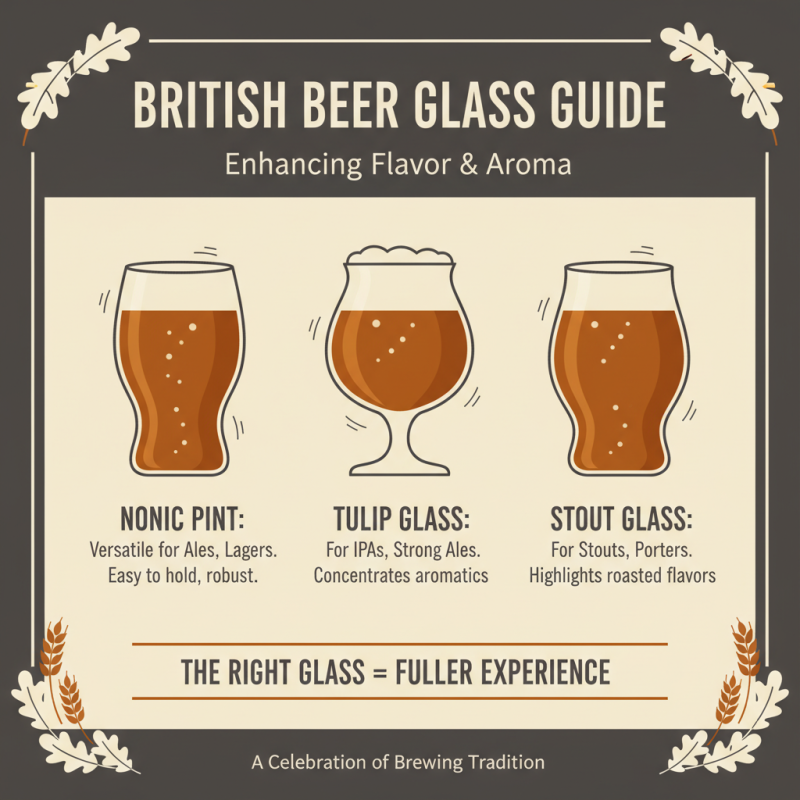
Experts suggest that different styles of beer deserve specific glass shapes. For instance, a traditional pint glass is ideal for ales, while a tulip-shaped glass enhances the complex flavors of IPAs. Yet, not all beer lovers are aware of the importance of proper glassware. Many still enjoy their brews in average cups or incorrectly sized vessels, which can diminish the tasting experience. Reflecting on this, it becomes evident that choosing the right British beer glass ties into a broader appreciation for brewing artistry. Embracing the right gear can elevate every sip, making it essential for any brewing enthusiast.
Understanding the Importance of Beer Glasses in British Culture
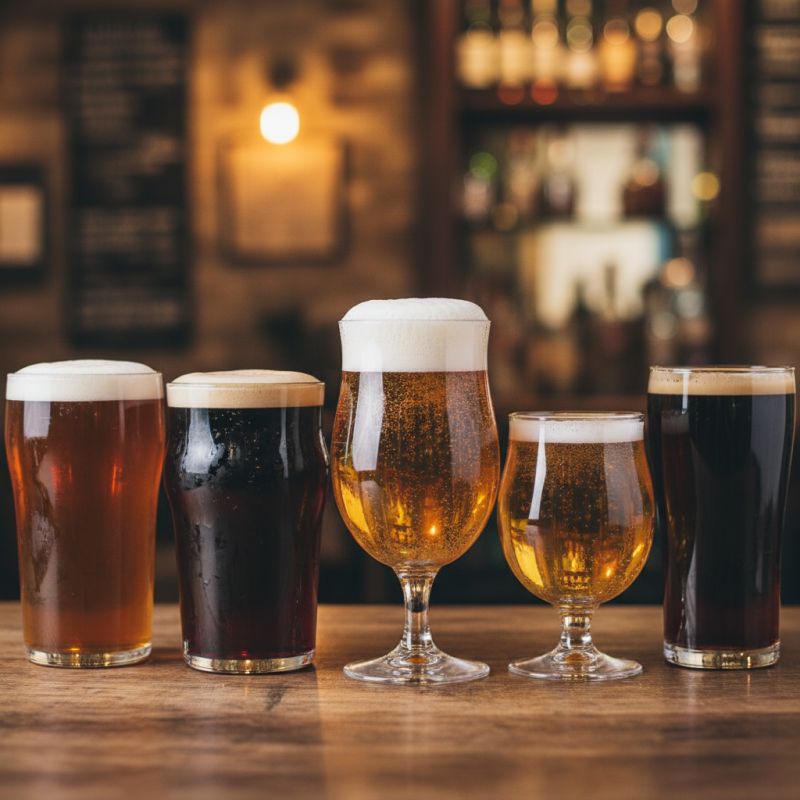
In British culture, the right beer glass is more than just a vessel. Each type of glass is crafted to enhance the characteristics of specific beer styles. For instance, a stout glass accentuates the rich flavors of a dark beer. When you sip from the right glass, you get the full aroma and taste experience. This attention to detail reflects a deeper appreciation for brewing.
Beer glasses also hold cultural significance. Pints are synonymous with British pubs, where friends gather to unwind. The glass shapes can evoke memories and stories. However, many overlook these details. They might grab a plastic cup or a mismatched glass, missing out on the experience. A good beer deserves to be enjoyed properly. The shape of the glass can influence the head and carbonation, impacting the taste.
Choosing the wrong glass can be a mistake. A lager might taste flat in a pint glass meant for ales. Some may not notice the difference, but true enthusiasts do. The goal is to elevate the beer-drinking ritual. Embracing the right glass shows respect for the craft and the drink. It's about connection, history, and the simple joy of savoring each sip.
A Comprehensive Overview of Traditional British Beer Glass Styles
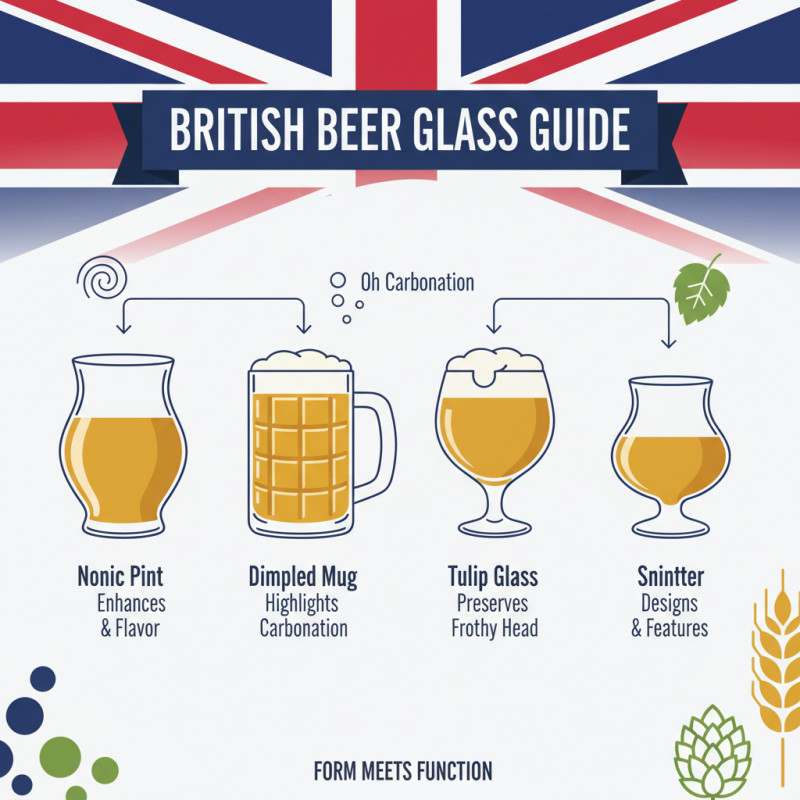
When it comes to enjoying British beer, the glass matters just as much as the brew itself. Traditional British beer glasses vary in shape and size, enhancing the drinking experience. The pint glass is iconic. Its sturdy build holds a generous serving, perfect for social settings. The slight taper at the top retains the beer's aroma. Yet, some may find the heavy glass less inviting at home.
Another classic is the tankard. Often made of glass or pewter, it boasts a handle, allowing for a firm grip. This design is practical, yet not everyone appreciates the thickness. It can obscure the beer's color. For those who favor a lighter style, the tulip glass offers elegance. With a wide bowl and narrow rim, it captures aromas beautifully. However, its delicate nature can make it a risky choice for lively gatherings.
The nonic glass is a popular choice for many. Its bulge near the top makes it easy to stack. While it offers a comfortable grip, the design can feel impersonal. Traditionalists might yearn for the classic pint or tankard's charm. Each glass serves a purpose, yet individual preferences vary greatly. The right glass can elevate the experience, but it also invites discussion on personal taste.
The Ultimate Guide to Top British Beer Glasses
This chart displays the different styles of traditional British beer glasses along with their popularity among beer lovers. The data showcases the number of preferences based on a survey conducted with beer enthusiasts.
Choosing the Right Glass for Different Types of British Beer
Choosing the right glass for various types of British beer can enhance the drinking experience. Different beers have unique characteristics, and the glass should complement them. For instance, ales deserve a pint glass, showcasing their color and aroma. The wide rim allows the hoppy scents to escape, inviting you to drink.
Stouts, on the other hand, shine in a tulip glass. This shape traps the rich aromas of chocolate and coffee. The curve helps you appreciate the beer’s intricate flavors. Meanwhile, lagers are best enjoyed in slim, straight glasses. Their refreshing crispness is highlighted in a well-chilled, tall glass.
There’s also the challenge of preferences. Some people may not notice the differences. Others might ignore the traditional choices. It’s important to experiment with various glasses. Not every beer lover has the same taste. Take the time to find what you enjoy most. This journey can be enlightening and rewarding.
Tips for Proper Glass Care and Maintenance for Longevity
Proper care and maintenance of beer glasses can extend their life significantly. According to a report from the Brewers Association, about 30% of beer lovers don't clean their glasses properly. Many often overlook the importance of using appropriate cleaning agents.
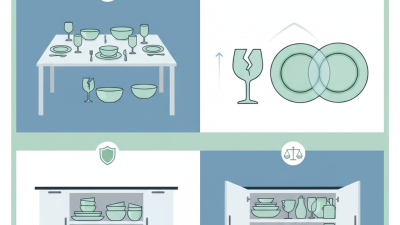
Using hot water alone isn't enough. Residue can accumulate and affect beer taste. A gentle detergent is recommended to keep flavors intact. Also, consider hand washing instead of using a dishwasher. High heat can create tiny cracks in glassware. You may not see them, but over time, they lead to catastrophic failure.
Storage is just as crucial. Avoid stacking glasses to prevent scratches. Instead, use a dedicated shelf. A study revealed that 25% of glass breakages happen due to improper storage. Lastly, be mindful of temperature changes. Rapid fluctuations can weaken the glass structure. Maintaining proper care leads to a better drinking experience. Enjoy your next brew responsibly!

 +86 13438161196
 CONTACT NUMBER
 CONTACT NUMBER