+86 13438161196


Choosing a reliable Jug And Glass Set manufacturer involves more than comparing prices or browsing polished product photographs. Global buyers must examine material quality, production capacity, packaging standards, customization skills, and export experience. A jug may look attractive online, yet feel unstable when filled. Glasses may arrive with uneven rims, cloudy surfaces, or inconsistent capacity. Small defects become expensive problems in hospitality, retail, and promotional orders.
Industrial designer Karim Rashid has said, “Design is about improving how things work.” That principle matters here. A strong manufacturer combines visual appeal with safe handling, balanced weight, practical pouring, and efficient storage. This guide evaluates leading suppliers through those details. It considers borosilicate, soda-lime, and stainless-steel options, along with lead-free glass, food-contact documentation, and tested packaging. Carton dividers matter. So do drop tests.
Factory visits, sample approvals, and independent inspections can reveal more than a sales presentation. Buyers should ask for production photographs, audit records, monthly capacity, mold ownership terms, and documented quality procedures. Some suppliers communicate well but lack stable color control. Others offer excellent craftsmanship but cannot maintain delivery schedules during peak seasons. That weakness deserves attention.
There is no perfect manufacturer for every market. A boutique hotel may value hand-finished details, while a supermarket needs repeatable pricing and barcode-ready packaging. The best choice depends on use, budget, destination, and expected volume. Careful comparison reduces risk and supports a Jug And Glass Set program that looks dependable on the shelf and performs reliably in daily use.
A leading jug and glass set manufacturer proves quality through repeatable production, not attractive catalogs alone. Grand View Research estimates the global glass tableware market will grow steadily through 2030, increasing pressure on suppliers to deliver consistent volume and finish. A reliable factory controls rim thickness, handle alignment, lid fit, and glass clarity across every batch. Small defects become costly when thousands of sets reach retailers.
Material expertise is equally important. Manufacturers should identify glass composition, heat-treatment methods, and food-contact testing procedures. ISO 9001-based quality systems can support traceability from raw materials to packed cartons. Practical checks include thermal-shock testing, leak testing, dishwasher-cycle testing, and carton drop tests. A jug that survives a showroom shelf but cracks during delivery is not a strong export product. Packaging matters.
Reports do not always agree on market size or growth rates. That difference deserves attention, rather than confident marketing claims. A manufacturer should provide dated test records, inspection samples, production photos, and clear tolerance limits. Buyers can request a pre-shipment inspection and compare retained samples with mass production. Not every factory gets this right. The best suppliers admit weaknesses, correct tooling problems, and explain delays before they become expensive surprises. Experience shows in the details: smooth pouring edges, stable bases, protective separators, and cartons that remain dry in humid storage. Reliability is visible before the first sale.
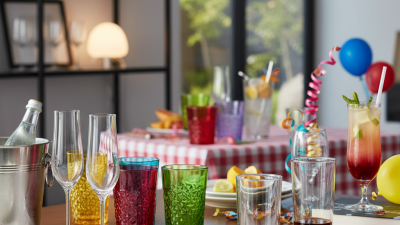
Choosing a reliable jug and glass set manufacturer requires more than comparing catalog prices. Material selection affects durability, clarity, weight, and customer satisfaction. Soda-lime glass suits affordable everyday sets, while borosilicate glass handles temperature changes better. Stainless steel jugs offer strength, but they provide a different visual experience. Many buyers overlook the lid, handle, and pouring edge. These small parts often determine whether a set feels premium or frustrating.
Popular product categories include water pitcher sets, iced tea servers, juice jugs, bedside carafe sets, and matching tumbler collections. Designs may be clear, colored, ribbed, minimalist, or decorated with printed patterns. Experienced manufacturers should explain glass thickness, capacity tolerance, dishwasher guidance, packaging tests, and available customization. Ask for production samples before placing a large order. A photograph is not enough. In practice, even attractive samples can hide loose lids or uneven bases. No supplier is perfect, and buyers should document problems instead of assuming quality will improve automatically.
Tips: Check food-contact compliance documents, carton strength, and replacement policies. Request drop-test evidence for export packaging. Compare the real usable capacity, not only the advertised volume. Confirm whether logos, colors, and molds require separate tooling fees. Also inspect the pouring stream. A beautiful jug that drips on the table is still a poor product.
Top Jug And Glass Set Manufacturers For Global Buyers?
Global buyers should judge manufacturers by evidence, not polished product photos. The FDA Food Code 2022 requires food-contact surfaces to be smooth, durable, nonabsorbent, and corrosion-resistant. Reliable factories test glassware against migration and thermal-shock requirements before shipment. ISO 7086 testing can assess lead and cadmium release from glass hollowware. These controls matter when a jug holds hot tea, acidic juice, or ice water.
The European Commission’s 2023 Safety Gate report recorded 3,412 consumer-product alerts. Glassware may not dominate this figure, but it shows why traceability matters. Serious manufacturers keep batch records, supplier declarations, inspection photos, and accredited laboratory reports. They also verify handles, rims, lids, and spouts by sampling from finished production. A certificate alone is not proof of every shipment. That is an uncomfortable gap buyers should question.
Tips: Ask for the latest test date, laboratory accreditation, and product-matching sample. Request thermal-shock testing for heat-resistant sets. Check whether packaging protects rims during a realistic drop test. Review the factory’s corrective-action records, not only its pass certificates. Small defects are easy to miss. Recheck them anyway.
Top Jug And Glass Set Manufacturers For Global Buyers
Customization now separates a useful jug and glass set from a generic catalog item. Grand View Research estimates the global glass tableware market at about USD 11.9 billion in 2023, with growth continuing through 2030. This expansion encourages manufacturers to offer custom shapes, logo placement, color tinting, gift boxes, and varied capacities. Buyers should request a production sample, not only a digital rendering. A 1.5-liter jug may look elegant on screen but feel unstable when filled.
Pricing depends on more than glass weight. Mold fees, decoration methods, packaging inserts, order quantity, labor, and export testing can change the final quotation. Industry purchasing data from UN Comtrade shows substantial variation in glassware trade values across exporting markets, so a low factory price does not always mean lower landed cost. Ask for pricing at three volumes. Compare the same specifications.
Production capability needs practical verification. Check furnace capacity, mold ownership, quality-control records, breakage rates, and monthly output. ISO 9001 certification can support process reliability, but it cannot replace an on-site or third-party audit. Packaging deserves equal attention. The International Safe Transit Association recommends performance testing for shipments, yet some suppliers still use thin dividers and oversized cartons. That is a costly weakness. No scorecard is perfect; buyers should leave room for defects, delayed molds, and seasonal capacity pressure. A clear tolerance sheet protects both sides.
| Manufacturing Category | Typical Materials | Typical Wholesale Price per Set (USD) |
Common MOQ | Customization Options | Production Capabilities | Typical Lead Time | Best Fit For |
|---|---|---|---|---|---|---|---|
| Clear Soda-Lime Glass Sets | Soda-lime glass; commonly used for household drinkware | $3.00–$12.00 | 500–2,000 sets | Screen printing, decals, color coating, gift boxes, handle and lid variations | Press-and-blow or machine forming; standard shapes; high-volume repeat production | 30–60 days | Retail, hospitality, promotional programs |
| Borosilicate Glass Sets | Heat-resistant borosilicate glass; suitable for hot and cold beverages | $6.00–$22.00 | 300–1,000 sets | Logo printing, frosted finishes, colored glass, silicone sleeves, custom packaging | Hand forming or semi-automatic forming; double-wall and heat-resistant designs | 35–75 days | Premium retail, cafés, specialty beverage brands |
| Tempered Glass Sets | Heat-treated soda-lime glass with improved thermal and impact resistance | $5.00–$18.00 | 500–1,500 sets | Printed graphics, transparent or opaque color, custom capacity, branded inserts | Automated forming followed by thermal tempering; consistent dimensions for large orders | 35–65 days | Restaurants, hotels, food-service distributors |
| Stainless Steel Jug and Tumbler Sets | Food-contact stainless steel, commonly 304 grade; 316 grade for higher corrosion resistance | $8.00–$30.00 | 300–1,000 sets | Laser engraving, powder coating, vacuum insulation, lid and handle modifications | Deep drawing, welding, polishing, vacuum construction and leak testing | 40–80 days | Outdoor, office, hospitality and reusable-drinkware markets |
| Ceramic or Stoneware Sets | Glazed ceramic, stoneware or porcelain-based bodies | $10.00–$35.00 | 300–1,000 sets | Custom molds, glaze colors, relief patterns, decals, gift packaging and mixed sets | Slip casting, pressing, glazing and kiln firing; suitable for complex decorative designs | 45–90 days | Tableware collections, restaurants and home décor |
| Hand-Blown Artisan Sets | Soda-lime or borosilicate glass, depending on the required use and design | $15.00–$80.00+ | 50–300 sets | One-off shapes, artisan colors, textured surfaces, etched artwork and premium packaging | Small-batch hand forming; higher design flexibility but greater dimensional variation | 45–100 days | Luxury retail, boutique hospitality and limited editions |
| Recycled-Content Glass Sets | Glass containing a measured proportion of post-consumer or post-industrial cullet | $5.00–$20.00 | 500–2,000 sets | Custom cullet percentage, color variation, embossing, printing and recyclable packaging | Batch-controlled melting and automated forming; color and clarity may vary by recycled content | 40–80 days | Sustainability-focused retail and hospitality programs |
| Plastic or Tritan-Style Sets | Food-contact plastic such as polypropylene, copolyester or other approved polymers | $2.00–$10.00 | 1,000–5,000 sets | Injection-molded shapes, translucent colors, printed graphics, lids, handles and stacking features | High-speed injection molding; efficient for large volumes and lightweight shipping | 30–60 days | Outdoor events, institutional catering and mass retail |
Note: Price, MOQ and lead-time figures are typical industry planning ranges for customized orders. Actual quotations depend on capacity, material grade, mold requirements, decoration method, packaging, testing, shipping terms and order volume.
Selecting a jug and glass set manufacturer requires more than comparing catalog prices. International buyers need stable quality, clear communication, and dependable export experience. I have learned that attractive samples can hide inconsistent production. Ask for material specifications, capacity tolerances, glass thickness, handle strength, and surface-finish details before placing a large order.
Request recent production samples from the same line used for bulk manufacturing. Check whether the jug pours smoothly and whether each glass stands evenly on a flat table. Small defects become expensive when thousands of sets reach a warehouse. A factory should explain its inspection process, packaging design, carton testing, and replacement policy. Independent quality checks can add confidence, especially for first-time cooperation.
International shipping also demands careful preparation. Confirm the minimum order quantity, lead time, payment terms, pallet dimensions, and export documents in writing. Packaging should protect handles, rims, and printed surfaces during long transport. Ask how the supplier manages delays or damaged cartons. Their answer reveals practical reliability. Do not choose only by the lowest quote. I once underestimated packaging costs, and the final landed price changed significantly. That mistake still influences my supplier evaluations. A responsive manufacturer may be more valuable than a cheaper one that avoids difficult questions. Communication matters. So does consistency.