Top 10 Best Glass Wine Tumblers for Global Buyers
Choosing the right Glass Wine Tumbler can feel surprisingly difficult. Product photos often show polished surfaces, bright wine, and relaxed outdoor moments. Real use is less perfect. A lid may drip, a rim may feel sharp, or condensation may cover a picnic table within minutes.
This guide introduces ten strong options for global buyers. Each selection is considered through practical details, not appearance alone. We look at glass clarity, wall thickness, insulation, lid design, grip, capacity, cleaning, and everyday durability. A tumbler should feel balanced when held with one hand. It should also protect wine from dust during travel without making pouring awkward.
Our evaluation reflects common buyer concerns across markets. Food-contact materials, packaging quality, care instructions, and retailer reliability all matter. However, product specifications can change, and shipping conditions are never fully predictable. That limitation deserves attention. Even a well-designed Glass Wine Tumbler may arrive damaged if packaging is careless.
We also consider different drinking environments. A compact tumbler suits balconies and hotel rooms. A larger model may work better for long dinners or outdoor gatherings. Stainless steel insulation can keep wine cooler, but some drinkers prefer the natural feel of glass. Personal taste remains important.
Expect clear comparisons, useful trade-offs, and a few honest disappointments. No tumbler is perfect. The best choice depends on how you drink, where you travel, and how carefully you clean and store it.
What Are Glass Wine Tumblers and Who Should Buy Them?
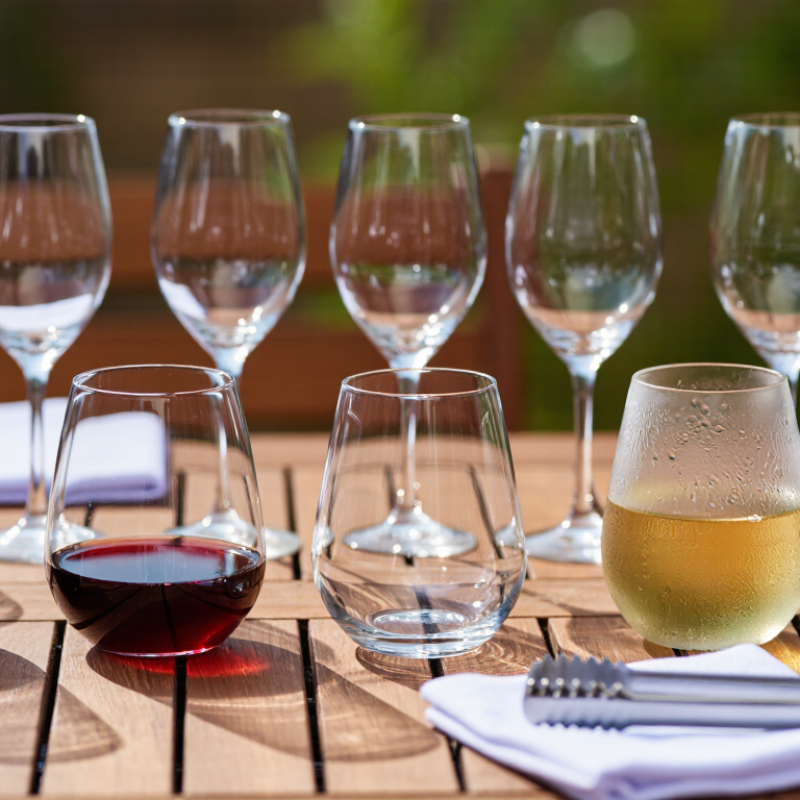
Glass wine tumblers are stemless drinking vessels designed for wine, sparkling drinks, and small cocktails. Many have thick walls, rounded rims, or double-wall insulation. Their shape feels stable on patios, boats, picnic tables, and busy kitchens. Unlike traditional stemmed glasses, they are easier to hold and less likely to tip. However, “tumbler” does not always mean unbreakable. Most are still glass.
Global buyers should choose them based on real habits, not appearance alone. Frequent travelers may prefer compact designs with protective sleeves. Home entertainers may value a wider bowl, which helps release wine aromas. Buyers in hot climates might prefer insulated glass, while cold regions may need comfortable grip surfaces. In my experience, weight matters more than expected. A beautiful tumbler can become tiring after several servings. I once underestimated this detail.
Tips: Check the glass for tiny chips before use. Select food-contact-safe materials and clear care instructions. Confirm whether the tumbler is dishwasher-safe, because thermal shock can damage some glass. Avoid placing very hot liquids into a cold vessel. A secure lid is useful outdoors, but it does not make the tumbler spillproof. Test the balance on your own table. Small design flaws become obvious quickly.
Top 10 Best Glass Wine Tumblers for Global Buyers
Glass wine tumblers are stemless drinking glasses designed for wine, sparkling wine, cocktails, and other beverages. Their compact shape is suitable for everyday dining, outdoor entertaining, travel, and buyers who prefer a lower center of gravity than traditional stemmed wine glasses.
The chart compares ten common glass wine tumbler capacity options. A 150 ml serving is used as a practical reference point, so larger tumblers can accommodate more wine while leaving room for aroma and movement. Buyers should select smaller sizes for portion control and casual use, and larger sizes for red wine, entertaining, or versatile beverage service.
How to Compare Glass Wine Tumblers by Design, Materials, and Capacity
When comparing glass wine tumblers, start with the drinking experience, not appearance alone. A rounded rim can guide wine smoothly and reduce sharp contact. A stable base matters during outdoor meals, hotel service, or busy tasting rooms. Stemless designs resist tipping, but they may transfer hand warmth faster. That trade-off is easy to overlook.
Material affects durability, clarity, and weight. Lead-free soda-lime glass is common and affordable, while borosilicate glass usually handles temperature changes better. Neither material is unbreakable. Check wall thickness, rim finishing, and dishwasher guidance before ordering. In practical use, I have found that an attractive thin rim can feel elegant but may require more careful handling. That is not always ideal for large-scale buyers.
Capacity needs a clear measurement. A 300 ml tumbler may suit moderate servings, while a 450 ml model leaves room for swirling and aroma. Compare usable capacity, not only the advertised maximum. Oversized bowls can look impressive but increase storage and shipping demands. Confirm measurements in millilitres and fluid ounces, especially for international purchasing.
Tips:
Test one sample before placing a bulk order. Fill it with water and inspect balance, grip, rim comfort, and visible stress marks. Check whether printed volume markings remain clear after repeated washing. Ask for packaging details too. Small cracks often begin with poor protection, not poor glass.
Which Features Matter for Durability, Portability, and Wine Enjoyment?
For global buyers, a glass wine tumbler should balance strength, portability, and sensory performance.
The International Organisation of Vine and Wine reported global wine consumption at about 221 million hectolitres in 2023. That scale reflects diverse drinking settings, from balconies to outdoor dining areas. A stable base matters on uneven tables. A slightly narrowed rim helps direct aromas toward the nose.
Durability starts with glass composition and manufacturing quality.
Tempered glass offers better resistance to everyday impact, but it remains breakable. Borosilicate glass handles temperature changes well, although it may feel lighter and less substantial. Check the stated dishwasher rating, wall thickness, rim finishing, and replacement policy. Look closely at the base. A thin foot can become a weak point during travel. The ISO 7459 standard provides useful reference methods for thermal shock resistance in glass containers, but not every tumbler is tested under identical conditions.
Portability needs practical details.
A fitted silicone sleeve can improve grip with cold, wet hands. A secure lid reduces spills, though it can slightly restrict aroma release. Capacity between 300 and 450 millilitres suits most casual servings without adding excess weight. In my experience, oversized tumblers feel impressive but travel poorly. That is a compromise. Buyers should also question vague claims such as “unbreakable” and request test information. A durable tumbler still needs careful packing, especially around its rim.
Top 10 Glass Wine Tumblers for Different Global Buyer Needs
Choosing among the top 10 glass wine tumblers depends on the buyer’s setting, climate, and drinking habits. A double-wall tumbler suits outdoor users because it reduces condensation on picnic tables. A stemless design fits travelers who need stability in cars, boats, or crowded patios. For home tasting, a thin-rim tumbler offers a cleaner contact with the lips. It can feel delicate, though. A reinforced-rim model may be safer for busy restaurants and event venues.
A compact tumbler serves airline passengers and small kitchen owners. A larger-capacity glass suits shared dinners or slow evening use. Buyers in hot regions may prefer insulated glass that keeps chilled wine cooler for longer. In colder areas, a comfortable, thicker body feels easier to hold. A dishwasher-safe tumbler saves time for families, but washing instructions still deserve attention. Some products tolerate regular cycles poorly, despite confident packaging claims.
For gifting, a balanced shape and clear glass usually appear more refined than excessive decoration. Eco-conscious buyers may choose durable glass designed for repeated use. Frequent hosts need stackable tumblers that fit narrow shelves. Professional buyers should check rim consistency, base stability, glass clarity, and replacement availability before ordering. I have found that a beautiful tumbler can still feel awkward when its base is too narrow. Measurements also vary between suppliers, so capacity should be verified in milliliters. Small details matter.
How to Choose, Use, Clean, and Maintain a Glass Wine Tumbler
Choosing a glass wine tumbler starts with daily handling, not appearance alone. The OIV’s State of the World Vine and Wine Sector 2024 estimates global wine consumption at 214.2 million hectolitres. That scale makes durability important for buyers serving wine outdoors, at home, and in hospitality settings. Choose clear, lead-free glass with a thick base, balanced weight, and a smooth rim. A silicone sleeve may improve grip, but it can hide chips. Check it carefully under bright light.
Use the tumbler for chilled or room-temperature wine. Avoid sudden temperature changes, boiling liquids, and hard surfaces. Glass can look strong while remaining vulnerable to thermal shock. I once placed a cold tumbler beside a hot dishwasher rack. It survived, but the decision was careless. For cleaning, follow the U.S. FDA Food Code 2022 principles: wash, rinse, sanitize when required, and air-dry. Use mild detergent and a soft brush. Abrasive powders may create fine scratches. Baking soda can help with wine residue, but rinse thoroughly afterward. If the product is dishwasher-safe, leave space between glasses and use a gentle cycle. Inspect the rim and base after every wash. A small chip is not a minor detail. It can cut fingers or weaken the glass. Storage also matters; keep tumblers upright, separated, and away from heavy cookware.

 +86 13438161196
 CONTACT NUMBER
 CONTACT NUMBER