10 Tips for Choosing the Best Red Wine Glassware
Choosing the right Red Wine Glassware can change how a wine feels, smells, and develops in the glass. A bold Cabernet may seem tighter in a narrow bowl, while Pinot Noir often benefits from a wider shape. These differences are not decorative details. They influence aroma concentration, oxygen exposure, balance, and drinking comfort.
This guide shares ten practical tips for selecting glassware with greater confidence. The advice reflects common tasting-room experience, established serving principles, and careful attention to bowl shape, rim design, stem length, and material quality. A well-made glass should feel balanced in the hand, offer enough space for swirling, and direct aromas without overwhelming the nose. It should also survive regular washing, because fragile beauty is not always useful.
Small details matter. A thin rim can make each sip feel cleaner. A stable base helps during long dinners. Crystal may provide excellent clarity, but durable glass can be a wiser everyday choice. Personal preference still matters. Even experts disagree sometimes. That is worth remembering.
There is no single perfect glass for every red wine or every home. A crowded cabinet can create more confusion than pleasure. The best choice usually matches drinking habits, storage space, cleaning routines, and favorite wine styles. These ten tips will help compare options realistically, avoid impressive but impractical designs, and build a collection that supports better tasting experiences. Expect useful guidance, but leave room for testing. Your own palate remains part of the evidence.
Understanding How Red Wine Glassware Shapes Aroma and Flavor
10 Tips for Choosing the Best Red Wine Glassware
Understanding How Red Wine Glassware Shapes Aroma and Flavor
A red wine glass is a small aroma chamber, not merely tableware. Choose a clear bowl, so color and sediment remain visible. Select a wider bowl for fuller reds and a narrower one for lighter styles. The larger surface exposes more wine to oxygen. This can release fruity and floral compounds. A tapered rim directs aromas toward your nose. A thin rim also reduces the glass’s physical interference with flavor. Keep the stem long enough to prevent warm hands from heating the bowl. Check the balance, because unstable glassware invites spills. Capacity matters too; leave space for swirling. Ten practical checks, one sensory goal.
ISO 3591:1977 defines dimensions for a wine-tasting glass, supporting consistent professional evaluation. However, standard shape does not guarantee better enjoyment. Research reported in Food Quality and Preference has found that glass geometry can change perceived aroma intensity. The effect varies with wine, temperature, and individual sensitivity. The International Organisation of Vine and Wine reported 2023 global wine consumption at about 221 million hectolitres. Such scale makes repeatable serving conditions valuable. Still, the data does not prove that expensive glassware improves every bottle.
In testing, swirl gently and smell before tasting. Compare the same wine in two shapes. Notice whether cherry, pepper, or oak becomes clearer. Wash glasses without scented detergent, then air-dry them fully. I once favored the widest bowl because it looked dramatic. It sometimes made delicate wine seem flat. That mistake still deserves attention. Comfort, durability, and easy cleaning may matter more than visual elegance.
Identifying the Key Features of a Well-Designed Red Wine Glass
A well-designed red wine glass should guide aroma toward your nose and wine toward your palate. In my tastings, a broad bowl has helped bold reds breathe without spilling over the rim. The glass should feel balanced, not heavy. A thin rim also makes each sip feel cleaner, although fragile glass can be inconvenient at home.
Tip: Check the bowl’s shape. Choose enough room to swirl without touching the table. The widest part should sit below the midpoint, allowing aromas to gather above the wine. A narrow opening can concentrate scent, but an overly tight rim may hide delicate notes. I once preferred a very large bowl, then noticed it made lighter reds seem flat. Bigger is not always better.
Tip: Test the stem and base. A firm stem keeps warm hands away from the bowl, while a stable base reduces accidental tipping. Hold the glass by its stem and swirl gently. It should move smoothly, not wobble. Also inspect the glass under bright light. Small bubbles or uneven edges may reveal inconsistent manufacturing, though appearance alone cannot prove performance.
Tip: Consider washing and storage. A beautiful glass that stays in a cabinet is not useful. The opening should fit your hand or cleaning brush safely. Dishwasher compatibility may matter, but gentle hand washing often protects thin rims. I still break one occasionally. That is a practical reminder to value durability alongside elegance.
10 Tips for Choosing the Best Red Wine Glassware — Identifying the Key Features of a Well-Designed Red Wine Glass
| Tip |
Key Feature |
Recommended Data or Specification |
Why It Matters |
| 1 |
Choose a sufficiently large bowl |
Look for a bowl capacity of approximately 500–800 mL for most full-bodied red wines. |
A larger bowl provides more space for swirling and exposes more wine to oxygen, helping aromatic compounds develop. |
| 2 |
Check the bowl shape |
Select a rounded bowl that is wider at the middle and gradually narrows toward the rim. |
The rounded shape supports swirling, while the narrower opening concentrates aromas near the nose. |
| 3 |
Prioritize a tapered rim |
Choose a rim that curves inward slightly rather than remaining completely straight or flared. |
A tapered rim directs aromas toward the drinker and helps guide wine smoothly onto the palate. |
| 4 |
Use a thin, even rim |
Prefer a finely finished rim with a consistent edge and no rough, thick, or rolled lip. |
A thin rim creates less physical distraction and allows the wine to reach the palate with greater precision. |
| 5 |
Make sure the stem is practical |
A stem of approximately 7–10 cm is common for standard red wine glasses. |
The stem keeps hands away from the bowl, reducing heat transfer and preventing fingerprints from obscuring the wine. |
| 6 |
Evaluate the foot and stability |
Choose a flat, well-balanced base that supports the filled glass without wobbling. |
A stable foot improves safety and makes swirling easier, especially when the bowl has a large capacity. |
| 7 |
Select clear glass |
Use transparent, colorless glass without tinting, heavy decoration, or opaque patterns. |
Clear glass allows accurate observation of a red wine’s color, clarity, depth, and changes at the rim. |
| 8 |
Consider thin but durable construction |
Look for a lightweight glass with uniform walls and a smooth transition between bowl, stem, and foot. |
Thin construction improves the drinking experience, while consistent thickness helps reduce weak points and uneven handling. |
| 9 |
Match the bowl to the wine style |
Use a broader bowl for full-bodied reds and a moderately narrower bowl for lighter-bodied reds. |
Full-bodied wines benefit from greater aeration, while lighter reds generally need less surface exposure to retain freshness. |
| 10 |
Leave adequate serving space |
Fill the glass to roughly one-third of its total capacity, leaving room above the wine for swirling. |
A moderate pour prevents spills and creates an air space that allows aromas to collect inside the bowl. |
Matching Glass Shape and Size to Different Red Wine Styles
10 Tips for Choosing the Best Red Wine Glassware
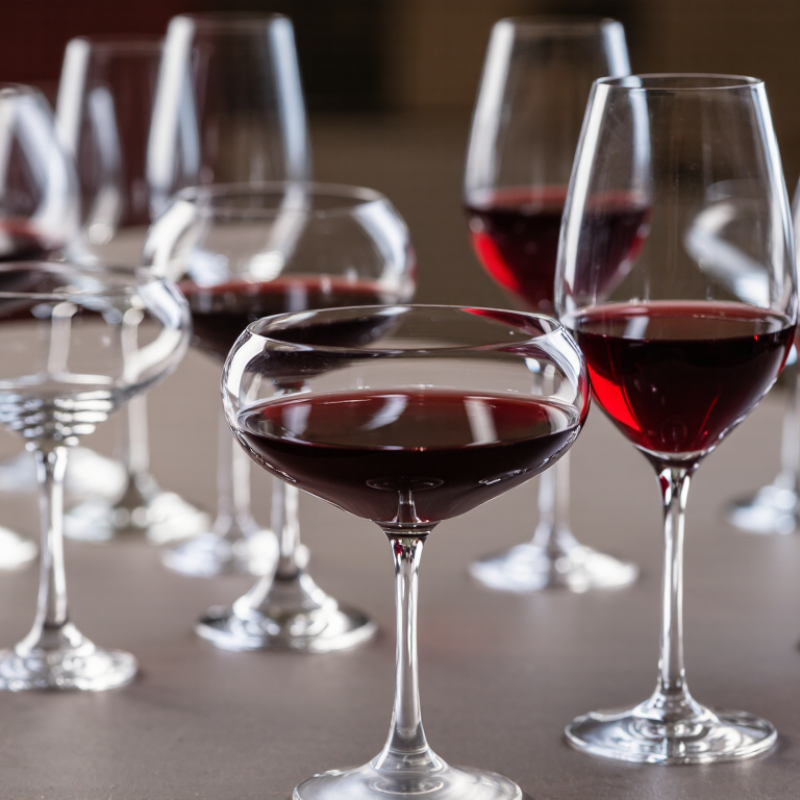
Matching glass shape and size to a red wine style can noticeably change the tasting experience. In home tastings, I have found that a broad bowl helps bold wines breathe. Its wide surface exposes more wine to air, softening sharp aromas and revealing deeper notes. Full-bodied Cabernet Sauvignon, Merlot, and Syrah usually suit this generous shape. Choose a glass that holds about 18 to 25 ounces, but fill it only one-third full. That space lets you swirl without spilling.
Lighter reds need a different balance. Pinot Noir and other delicate styles often perform better in a large, rounded bowl with a narrower rim. The shape gathers subtle floral and berry aromas toward the nose. Medium-bodied wines can work well in a tulip-shaped glass, which offers air without making the wine feel too open. A smaller bowl may also preserve freshness, especially when the wine is served slightly cool. Not every tasting follows the rule.
The rim matters more than many shoppers expect. A thin, smooth rim directs the wine cleanly across the palate. A thick edge can feel distracting. Stemmed glasses remain practical because they keep warm hands away from the bowl. I sometimes choose the wrong shape, especially when serving several wines together. That mistake is useful. Compare the same pour in two glasses, and observe the aroma, texture, and finish before buying a full set. Comfort, stability, and easy cleaning still matter. A beautiful glass that feels awkward will rarely become a favorite.
Comparing Materials, Durability, and Practical Design Options
Choosing red wine glassware starts with material, not appearance.
Crystal feels lighter and often gives a thinner rim, making each sip feel more precise. Standard glass is usually tougher and less expensive. It may also suit busy kitchens better. In my tastings, a thin rim improved the wine’s texture, but fingerprints and tiny chips appeared sooner. That trade-off matters. Lead-free crystal offers clarity without lead, though quality varies between manufacturers. Check the rim under bright light. Uneven edges can feel sharp or awkward.
Durability depends on more than material.
A reinforced stem, stable foot, and moderate bowl reduce accidental tipping. Very tall stems look elegant, yet they catch sleeves and crowd shallow cupboards. A broad bowl helps red wine breathe, but it requires careful storage. I prefer glasses that fit my dishwasher, even when hand-washing seems gentler. Some delicate shapes survived years in my cupboard; one cracked during a hurried rinse. That was user error, but good design should forgive occasional carelessness. Look for a smooth bowl-to-stem transition, because weak joins often fail first. Weight balance matters too. Hold an empty glass and rotate it gently. If it feels top-heavy, long dinners may become tiring. Measurements can mislead. Choose the glass you can clean, store, and use repeatedly without anxiety.
Evaluating Comfort, Maintenance, Price, and Overall Value
Choosing red wine glassware is less about appearance and more about daily use. Hold each glass by the stem and check whether your fingers feel relaxed. Comfort matters. A stable base should sit firmly on a table without wobbling. The bowl must fit your hand, but it should not feel heavy after several minutes. A thin, smooth rim can make tasting more pleasant, though delicate glass often demands extra care.
Inspect the shape under bright kitchen light. A wider bowl gives bold red wines room to open, while a narrower bowl may suit lighter styles. Look for a balanced stem, a clean rim, and enough space for safe swirling. Test the glass with water before buying several pieces. Small details matter. Measure your cabinet height too; tall glasses can become frustrating storage problems. Dishwasher compatibility saves time, but hand washing may protect fragile designs. Use warm water, mild detergent, and a soft cloth.
Price should reflect regular use, not impressive packaging. Compare the cost per glass, replacement difficulty, and expected durability. A moderately priced set may offer better value than expensive glasses that stay in a cupboard. I once chose elegant, oversized glasses that felt awkward during dinner. They looked excellent, but cleaning them was annoying. That mistake changed my priorities. Choose glasses that invite use, survive ordinary handling, and remain comfortable from the first pour to the final rinse.

 +86 13438161196
 CONTACT NUMBER
 CONTACT NUMBER