Top Tips for Choosing the Best Glasses for Champagne?
Choosing the right glasses for champagne is crucial for an enhanced tasting experience. The right glass enhances the aroma and taste of sparkling wines. According to the Wine and Spirit Education Trust, specific glass shapes can affect the release of bubbles and aromas. Experts believe that a proper champagne flute or tulip glass can improve your enjoyment.
In the competitive wine industry, where 60% of consumers report that presentation matters, the choice of glass is not trivial. A striking glass can elevate a moment. Yet, not all glasses marketed for champagne fulfill these promises. Some may look beautiful but lack functionality.
It’s important to consider factors like material and shape when selecting glasses for champagne. Research indicates that crystal glasses can add a unique character to your drink. However, many consumers overlook practicality in favor of appearance. Ultimately, refinement in your choice of glasses can lead to a more pleasurable experience.
Understanding the Different Types of Glasses for Champagne
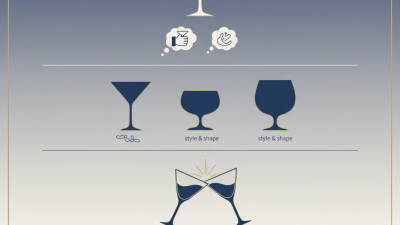
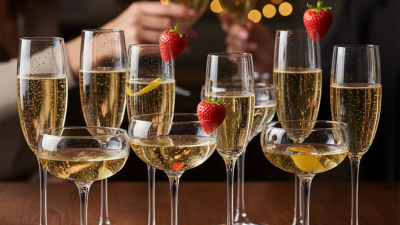
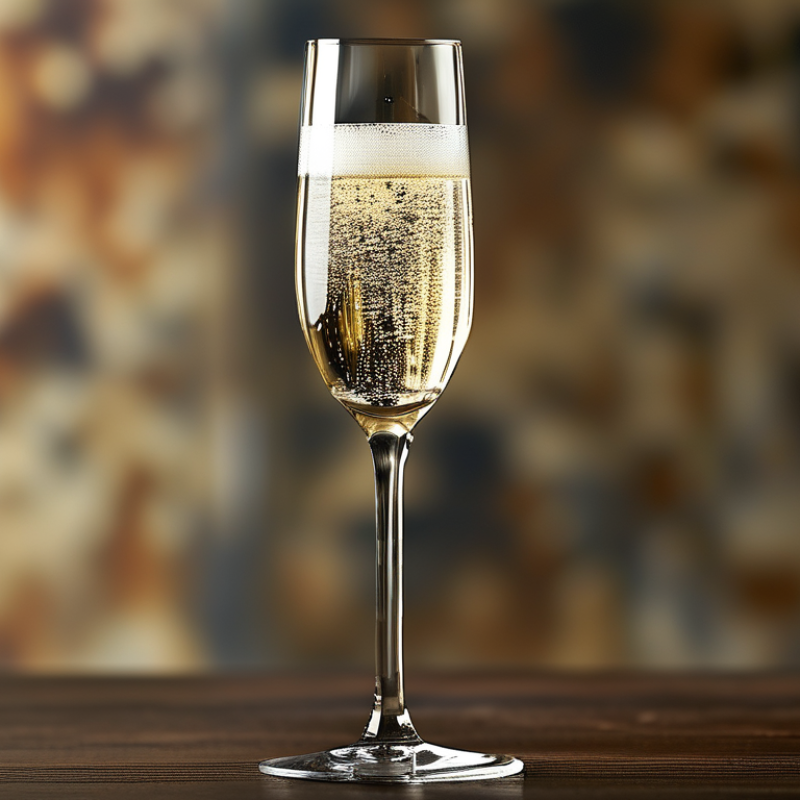
When selecting champagne glasses, understanding the types available is crucial. The three main types are flutes, coupes, and tulip-shaped glasses. Flutes are often popular because they enhance the visuals of champagne. The narrow shape retains bubbles longer, enhancing the drinking experience. However, they can limit the aroma, which is essential for appreciating fine champagne.
Coupes offer a vintage charm, but their wide surface area causes champagne to lose fizz rapidly. Reports from sommeliers suggest that this design might not be ideal for high-quality champagnes. On the other hand, tulip-shaped glasses strike a balance. They allow for an engaging aroma while maintaining the effervescence of the drink. The Research Institute of Champagne notes that wines served in tulip glasses exhibit richer flavor profiles and aromas.
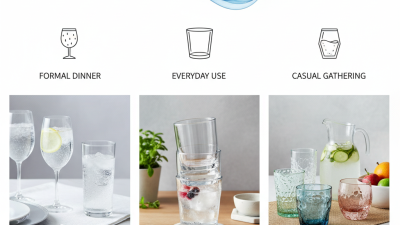
Consider the occasion when choosing the glass type. For formal events, flutes might appear more sophisticated. But for intimate gatherings, tulip glasses foster a more personal experience. Nevertheless, the choice of glass should reflect your personality as a drinker. Each glass type presents its advantages and drawbacks, provoking thought about how you enjoy champagne.
Factors to Consider When Choosing Champagne Glasses
Choosing the right glass for champagne is essential for enhancing the experience. The shape of the glass influences how the bubbles behave. Flutes are popular due to their tall design, which helps keep the bubbles longer. However, some experts argue that coupes provide a better aroma and a wider surface area. Each option has its pros and cons.
Consider the material as well. Crystal glasses can enhance the aesthetic appeal. Yet, they might not be suitable for every occasion due to their fragility. On the other hand, lead-free glass is durable and often dishwasher safe. You must weigh aesthetics against practicality.
Also, think about the occasion. A formal event may call for elegant flutes. Casual gatherings might suit stemless glasses better. Reflect on how you want to use the glasses. Ultimately, your choice should reflect both style and function. Don't shy away from experimenting.
Top Tips for Choosing the Best Glasses for Champagne
How Glass Shape Affects Aroma and Flavor Perception
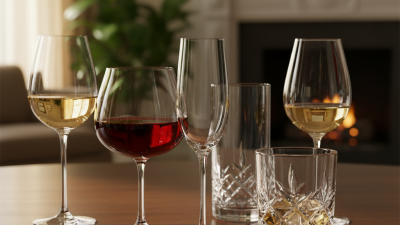
The shape of a glass profoundly impacts how we perceive champagne. For instance, flutes enhance bubbles and focus aromatic compounds upwards. This feature allows drinkers to enjoy a more intense bouquet. However, flutes can limit surface area, which may suppress some flavors. Experimenting with different glass shapes reveals the complexity of the drink.
[Image]
Wide-bowled glasses, like tulip glasses, offer a broader surface. This design encourages the release of aromas, enhancing both experience and flavor. The shape allows for more oxidation, which can change how you perceive the drink. But using a wider glass may also dilute the sharpness of the bubbles. Each glass type presents a unique tasting profile.
One should consider personal preferences too. Some might find flutes elegant but lacking in flavor depth. Others might enjoy the fuller experience from a wider glass. The feedback from tasting is invaluable. Reflecting on your glass choice can lead to a more satisfying tasting experience. Each sip can reveal more, emphasizing why glass shape matters.
Materials Used in Champagne Glasses and Their Impact on Taste
When it comes to choosing champagne glasses, the materials matter significantly. Different materials can influence the flavor and aroma profile of the champagne.
Crystal glasses are often favored due to their clarity and thin rim. This allows for a more enjoyable drinking experience.
Glass can also provide a good alternative. It is durable and often less expensive than crystal options.
Tips for selecting the right glass include considering the type of champagne you'll serve. For sparkling wines, flutes are great for preserving bubbles. However, some experts recommend wider bowls for complex champagnes. These shapes enhance the aromas and let you savor the drink better.
If you want a unique experience, look beyond the conventional choices. Plastic glasses are lightweight and practical for outdoor occasions. However, they may not elevate the taste as high-quality glassware does. Reflecting on your preferences can help you choose the best options. Sometimes, experimentation with materials and glasses can lead to surprising results. Each choice impacts your enjoyment of the champagne.
Tips for Maintaining and Caring for Your Champagne Glasses
Caring for your champagne glasses is essential to maintain their beauty and functionality. Clean them regularly using a gentle dish soap and warm water. Avoid harsh chemicals that can leave residues or scratches. Rinse thoroughly to prevent any soap residue. Consider using a microfiber cloth to dry them. This helps avoid water spots, keeping them sparkling.
Storage is just as important as cleaning. Store your champagne glasses upright to prevent dust accumulation. If space allows, consider using a glass cabinet or a designated shelf. Keep them away from heavy items that may topple over. Avoid stacking them, which can lead to chipping or scratching.
It’s common to overlook the importance of gentle handling. Always hold glasses by the stem, not the bowl. This prevents fingerprints and preserves temperature. Occasionally check for any signs of wear or damage. A small chip can impact the glass’s elegance during special occasions. By taking mindful steps, you enhance both the longevity and the experience of your champagne glasses.
Top Tips for Choosing the Best Glasses for Champagne
| Type of Glass |
Best For |
Style Notes |
Care Tips |
| Flute |
Sparkling Wines |
Tall and narrow, enhances bubbles |
Hand wash to avoid scratches |
| Tulip |
Champagne and Sparkling Cocktails |
Curved shape holds aromas |
Use gentle detergent, rinse well |
| Coupe |
Vintage Style Serving |
Wide bowl, less carbonation |
Avoid stacking to prevent cracks |
| Pint Glass |
Casual Outdoor Functions |
Robust and easy to handle |
Dishwasher safe, durable |

 +86 13438161196
 CONTACT NUMBER
 CONTACT NUMBER