What is a Shot Glass Substitute and When to Use It?
A "Shot Glass Substitute" is a practical solution when the traditional shot glass is not available. It’s common for people to find themselves in social situations where they need to measure out small amounts of liquid. This can be particularly true during gatherings or parties. When you’re without a shot glass, improvisation is key.
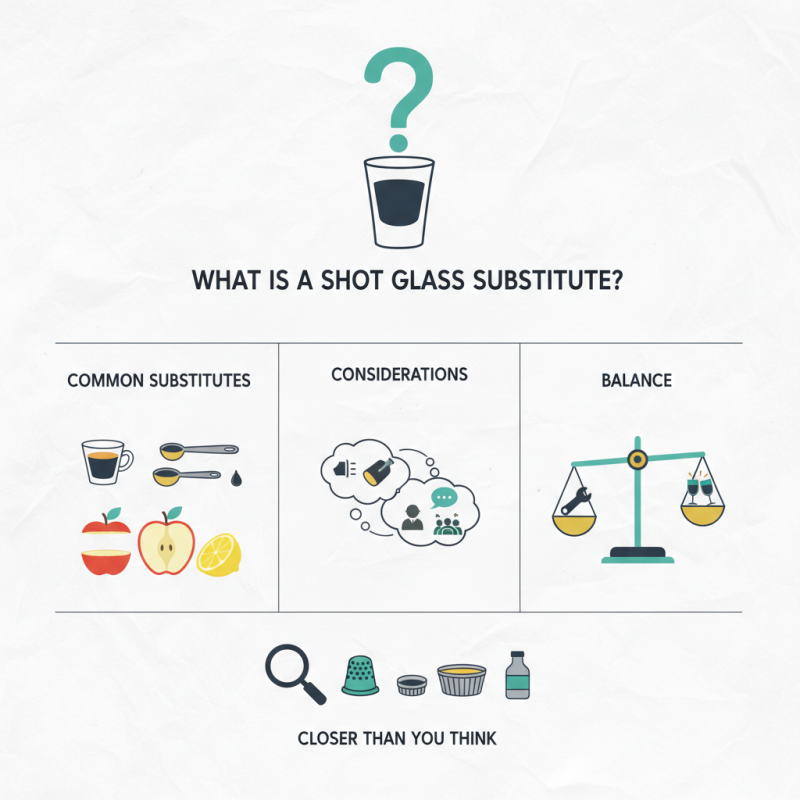
Common substitutes include small containers like espresso cups, measuring spoons, or even certain food items like apples or lemons, which can be hollowed out. However, using a substitute requires some thought. Not all substitutes provide the same volume or look appealing. Additionally, they may alter the drinking experience. Consider the context and your audience. A creative substitute can also stimulate conversation, yet it may sometimes come off as less than ideal.
Finding the right "Shot Glass Substitute" is about balance. You want something functional and practical, but that doesn't detract from the occasion. The next time you’re in a pinch, remember that the perfect substitute might be closer than you think.
Understanding Shot Glass Substitutes: An Overview
When it comes to cocktails and shots, having the right glass is important for measurement and presentation. However, many people don’t own shot glasses. So, what can you use instead? Understanding shot glass substitutes can help elevate your drink game without a trip to the store.
Common kitchen items can act as excellent alternatives. For example, a tablespoon holds about half an ounce. Since a standard shot equals one and a half ounces, using a tablespoon can provide a useful guide. Similarly, a jigger—often used by bartenders—measures one ounce in one side and half an ounce in the other. These tools make it easier to follow drink recipes accurately. According to the Beverage Industry Report, precise measurements can enhance drink flavor consistency by 30%.
Another option is to use a small coffee cup. These typically hold five to six ounces, allowing for multiple shots to be poured in one go. While this isn't ideal for single servings, it’s perfect for gatherings. Although some may feel uncomfortable not using a classic shot glass, receiving drinks in a unique container often adds charm to a gathering. Reflect on the experience; it's about enjoying the moment, not just the presentation.
Shot Glass Substitute Usage Overview
Common Household Items as Shot Glass Alternatives
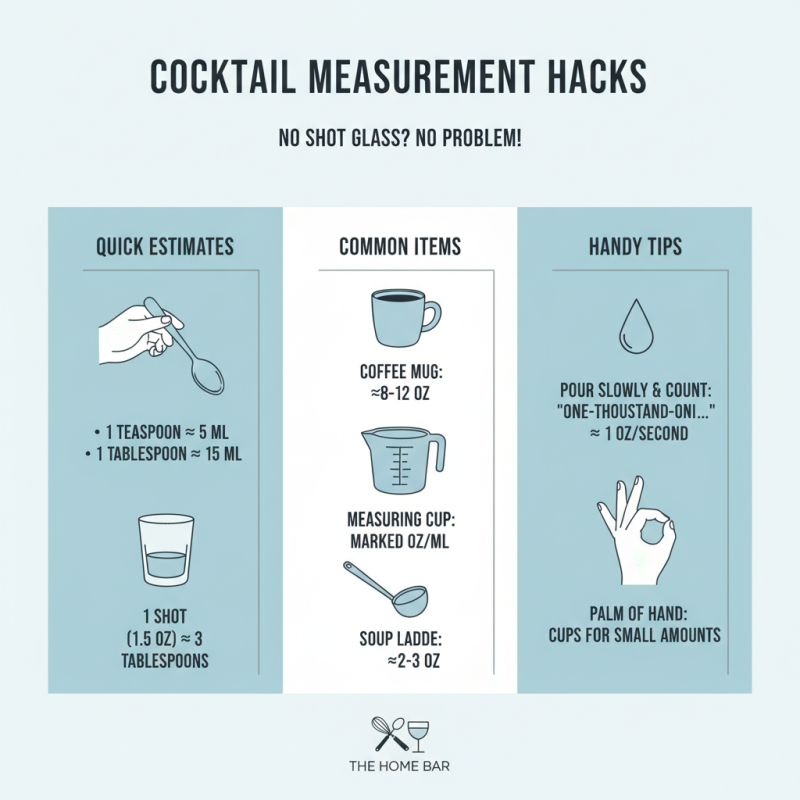
When you're in need of a shot glass and don’t have one at hand, several common household items can serve as great substitutes. For example, a standard tablespoon holds about 15 milliliters of liquid. This is roughly the same amount as a typical shot, which is 1.5 ounces or about 44 milliliters. Measuring spoons come in handy, especially when mixing drinks.
Another option is a small espresso cup, which can often hold about the same volume. A study conducted by the Journal of Culinary Science found that many people underestimate serving sizes. This leads to unbalanced drink recipes. Using an espresso cup encourages more accurate measurements. However, be cautious, as cup sizes can vary widely, leading to potential over-pouring.
You can also use a plastic bottle cap, which is surprisingly effective for small amounts. While this might seem unconventional, a standard soda bottle cap can hold around 5 milliliters. Though it may not look sophisticated, it gets the job done. Remember, this approach lacks precision and can lead to inconsistency in your drinks. It might be useful for a casual gathering, but accuracy matters in mixology.
When to Use Shot Glass Substitutes in Cocktails
When crafting cocktails, having a shot glass might not always be feasible. You may find yourself without one when you're in the middle of mixing. In these situations, it is vital to know alternative options. Measuring accurately can be done using various household items.
A common substitute is a tablespoon. One tablespoon equals half a shot glass. For smaller measurements, a teaspoon serves as a handy tool. It’s important to keep this in mind when you're experimenting with ratios. An ounce of spirit typically translates to two tablespoons or six teaspoons. Remember, not all kitchen tools are equal, so this method might require some testing.
Sometimes you may need to get creative. A coffee mug or a wine glass can stand in as makeshift shot glasses. These items can help you achieve the right proportions. However, be prepared for imprecise measurements. This could lead to a drink that tastes different from the original recipe. A little trial and error might be necessary. Embrace the imperfections; they can lead to unique creations you wouldn't have otherwise attempted.
Measuring Alcohol Accurately with Non-Traditional Cups
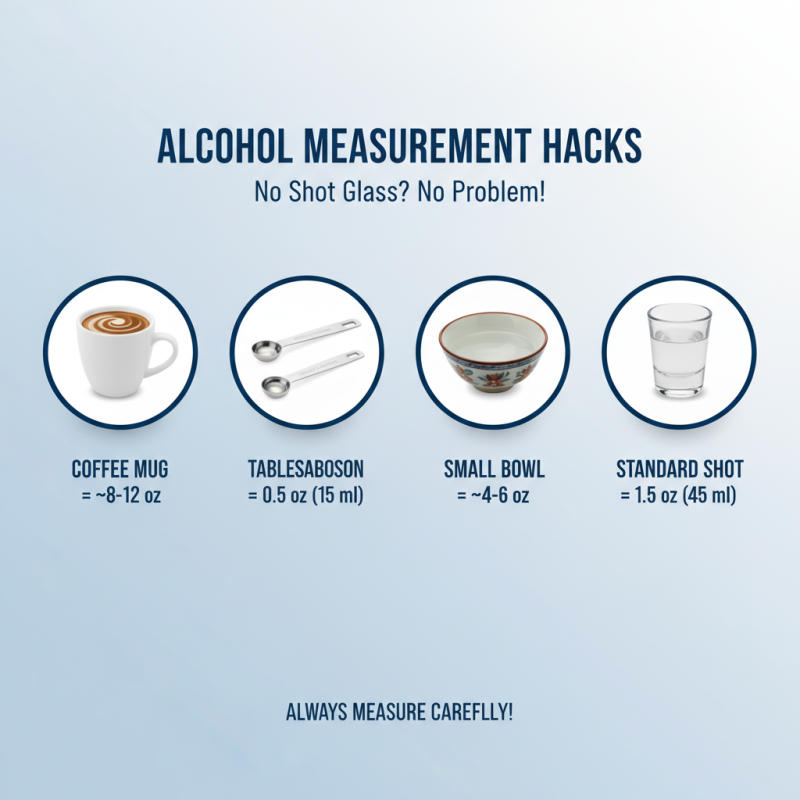
When measuring alcohol, using traditional shot glasses is common. However, many people may find themselves without one at times. Fortunately, you can use various common cups as substitutes. Coffee mugs, measuring spoons, or even small bowls can work well in a pinch. Each offers a different volume, so it’s essential to have a standard measurement in mind.
Using non-traditional cups can lead to measuring errors. Some mugs hold more than you expect. To get accurate measurements, check the volume of your cup first. A standard shot is about 1.5 ounces. If your cup is larger, you may end up pouring too much. This can affect cocktails and recipes that require precise alcohol quantities.
**Tips:** Always be cautious when estimating volume. You could use water to test your cup before pouring alcohol. Another idea is to keep a dedicated measuring cup accessible. It's better to double-check than to guess. Remember, measuring accurately makes a difference in taste and enjoyment. Making mistakes can lead to drinks being too strong or too weak.
Impact of Size and Shape on Liquid Measurements in Substitutes
When looking for a shot glass substitute, size and shape greatly affect liquid measurements.
Standard shot glasses typically hold 1.5 ounces, but many items can serve the same purpose.
A small teacup, for instance, can measure nearly one ounce.
However, its shape may not pour easily. Using a tablespoon can work too, as it holds half an ounce.
You might find it handy when seeking quick pours.
The shape of the substitute can impact the flow of liquid.
A narrow vessel might create a slower pour, leading to imprecise measurements.
Conversely, a wide-mouth container allows for rapid dispensing.
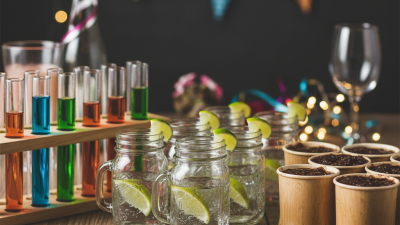
Consider using a jigger or even a small mason jar, yet be cautious with their varied capacities.
The actual measurement could differ, which can lead to mishaps in recipes or cocktails.
It’s important to double-check measurements, especially if using unconventional items.
Experiment with what you have, but remember to pay attention to these details.

 +86 13438161196
 CONTACT NUMBER
 CONTACT NUMBER