How to Create Stunning Glass Artware at Home
Creating stunning glass artware at home is both rewarding and challenging. The process requires patience and creativity. You might worry about the outcome, especially if you're a beginner. However, each small step leads to improvement.
Gathering your materials is crucial. Use quality glass and the right tools. Working with glass can be intimidating. Mistakes are part of the journey. You may not always achieve the desired effects. Embrace these challenges as opportunities for growth. Each piece you create tells a story.
Experimenting allows for unique creations. Play with colors, shapes, and techniques. Some projects may not work as you imagined. Reflection leads to better results next time. Remember, glass artware can be messy but beautiful. Enjoy the process, and don’t fear imperfection.
Understanding the Basics of Glass Artware: Tools and Materials Needed
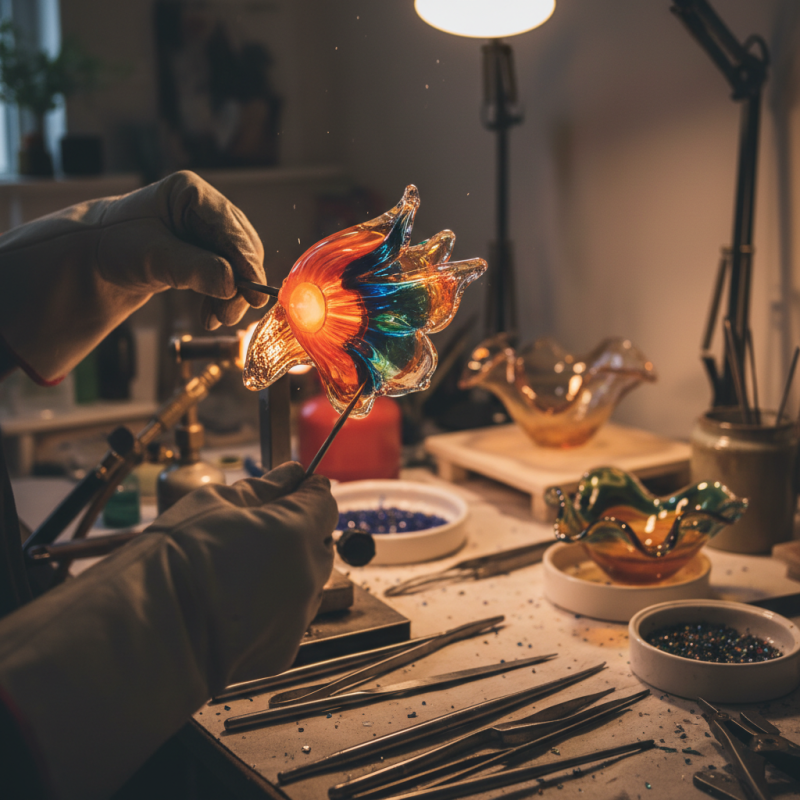
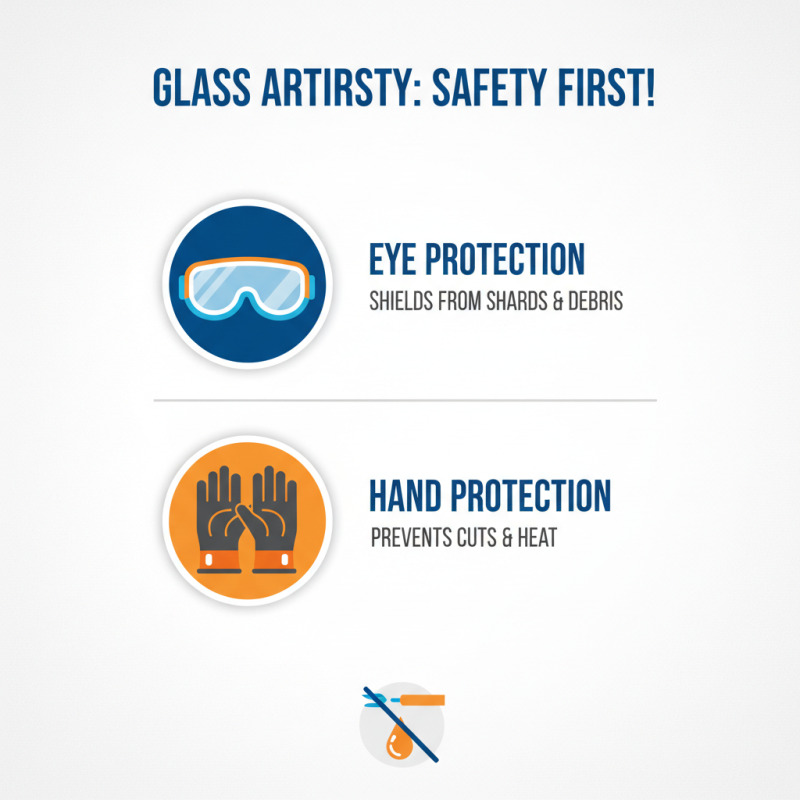
Creating stunning glass artware at home can be rewarding. To start, you need to understand the essentials. Gathering the right tools and materials is crucial. Some basic tools include glass cutters, heat guns, and pliers. You’ll also need safety gear like goggles and gloves. Each tool serves its purpose in shaping glass and ensuring safety.
Choose your glass wisely. Start with simple, clear sheets as they are more forgiving for beginners. Colored glass can be tricky. Consider the thickness, as it impacts your design. Cutting glass requires practice, so expect mistakes. If you chip a piece, don’t get discouraged. It happens to everyone.
Tips: Always practice on scrap pieces before working on your final design. This helps to build your confidence. Take your time with each cut. Rushing can lead to errors. Keep safety in mind; never skip your protective gear. Glass art is a journey, not a race. Enjoy each moment, even the challenges.
Materials and Tools for Glass Artware Creation
This chart illustrates the estimated costs associated with the essential materials and tools required for creating stunning glass artware at home. Each category represents a key component needed in the process, offering a visual insight into budgeting for your glass art projects.
Techniques for Glass Shaping: Fusing, Blowing, and Casting Explained
Creating stunning glass artware at home involves mastering several shaping techniques. Fusing is a popular method where glass pieces are heated together to melt at their edges. This technique can produce colorful patterns and textures. Start with colorful glass scraps. Arrange them on a kiln shelf, ensuring they don’t overlap too much. The key is to control the temperature carefully. Too high, and the glass will lose detail; too low, and it won’t bond.
Blowing glass is a challenging yet rewarding technique. It requires a special setup, including a blowpipe and a furnace. The glass must be heated until it becomes malleable. A simple mistake can lead to uneven shapes or even breakage. If the glass cools too much, it becomes difficult to shape. Working in a hot environment is crucial, but it can be uncomfortable. Learning to control breath and pressure is essential, too. These subtleties make a big difference in the final piece.
Casting is another method worth exploring. It allows you to create more complex forms. Start with a mold, which can be made from various materials. Pour molten glass into the mold and let it cool slowly. This process requires patience. You might find imperfections in your first attempts, but these flaws can spark creativity. Embrace the learning curve; each piece is a unique reflection of your journey.
How to Create Stunning Glass Artware at Home - Techniques for Glass Shaping: Fusing, Blowing, and Casting Explained
| Technique |
Description |
Materials Needed |
Skill Level |
Approximate Time |
| Fusing |
Joining glass pieces by heating them until they soften and fuse. |
Glass sheets, kiln, separator for fusing. |
Beginner |
3-4 hours (including cooling time) |
| Blowing |
Shaping molten glass by blowing air into it using a blowpipe. |
Blowpipe, furnace, gather iron, marver. |
Intermediate |
Varies (typically requires multiple sessions) |
| Casting |
Pouring molten glass into a mold to create shapes. |
Glass frit, molds, kiln, release agent. |
Advanced |
4-6 hours (including cooling time) |
| Stained Glass |
Creating artwork by joining small pieces of colored glass with lead or copper foil. |
Colored glass, lead came, copper foil, solder. |
Beginner |
2-3 days (depends on complexity) |
| Etching |
Using acid or sandblasting to create designs on glass surfaces. |
Glass item, etching cream or sandblaster, stencil. |
Intermediate |
1-2 hours |
Tips for Designing Unique Glass Art Pieces: Inspiration and Innovation
Creating stunning glass artware at home is a fulfilling endeavor. Unique glass art pieces often come from a mix of inspiration and innovation. According to industry reports, the global glass art market is expected to grow by 5% annually. This demand fuels creativity among artists.
When designing, think about form and color. A simple piece can stand out with the right hues. Use contrasting shades to evoke emotion or memory. Some artists combine textures, like smooth and rough glass, to create dynamic pieces. Experimenting with these elements can lead to unexpected results, both good and less successful.
Failures can be valuable. Many artists embrace imperfections, turning them into defining features of their work. An uneven edge or bubble can add character. Reflecting on these quirks can spark new ideas and enhance future designs. Every piece is a journey toward mastery. Embrace both triumphs and missteps in your glass art adventure.
Finishing Touches: Polishing and Displaying Your Glass Creations
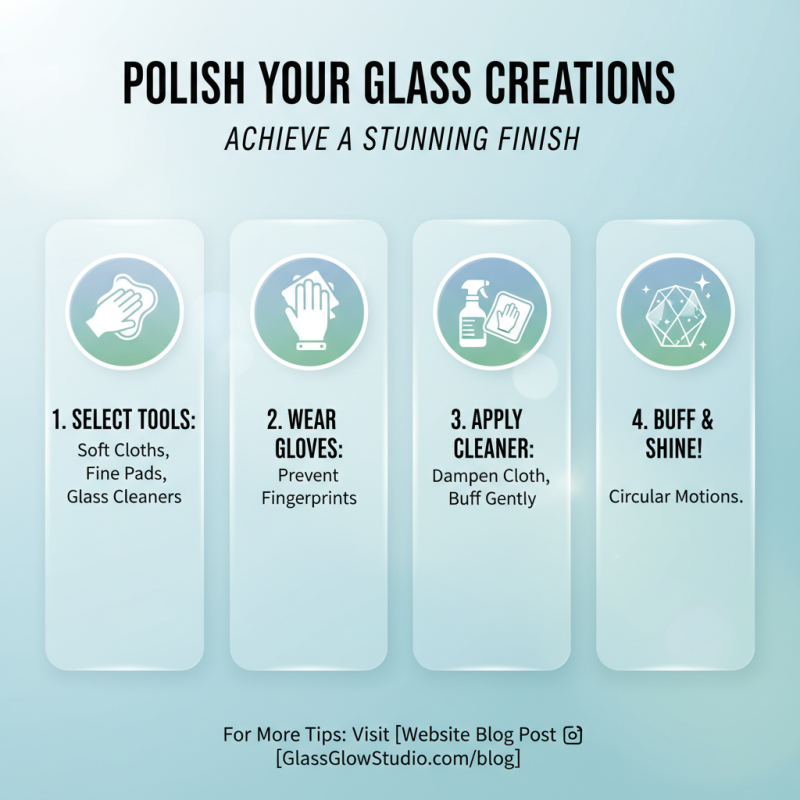
Polishing your glass creations is crucial for achieving a stunning finish. Start by selecting appropriate polishing tools. Soft cloths, fine polishing pads, and specialized glass cleaners work wonders. Make sure to wear gloves to avoid leaving fingerprints. Dampen the cloth and apply the cleaner lightly. Gently buff the surface in circular motions. Watch the shine emerge!
Displaying your glass art is equally important. Select a spot that highlights its beauty. Natural light can enhance its colors, making it more vibrant. Consider using a simple stand or a shadow box for a more elegant presentation. Arrange your pieces thoughtfully. A cluttered display may detract from their beauty. Sometimes, less truly is more.
Reflect on imperfections in your work. Every piece is unique, and flaws can add character. Embrace these quirks, as they tell a story. Don't be afraid to showcase them. You never know; they might spark deeper conversations. Each creation represents your experience and growth as an artist. Enjoy the process!

 +86 13438161196
 CONTACT NUMBER
 CONTACT NUMBER