How to Choose the Right Wine Glass Shapes for Every Occasion?
Choosing the right wine glass shapes can transform your drinking experience. Studies show that glass shape affects aroma and taste. In fact, a comprehensive study by the Wine Institute found that 70% of wine's flavor comes from aroma.
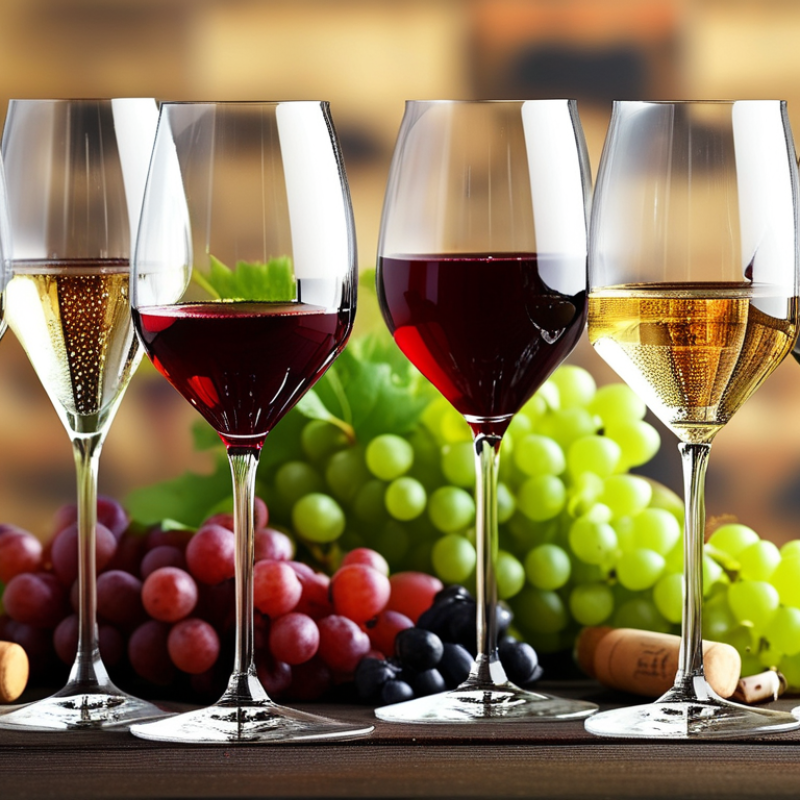
Different wine types require specific glass shapes for optimal enjoyment. For instance, red wines typically benefit from wider bowls, which enhance aeration. On the other hand, white wines often taste better in narrower glasses, preserving their crispness. A variety of shapes caters to diverse preferences.
However, selecting the right glass can be overwhelming. Many consumers overlook how glass shape impacts their enjoyment of wine. Recognizing the nuances of wine glass shapes not only enhances flavor but also elevates the overall experience, making it a worthwhile pursuit for any wine enthusiast.
Understanding Different Wine Glass Shapes and Their Purposes
Choosing the right wine glass shape can enhance your drinking experience. Different shapes serve specific purposes. For instance, red wine glasses usually have a wider bowl. This allows for greater air exposure, enhancing the wine's aromas. Research indicates that proper exposure can improve the perception of fruit flavors by up to 30%.
White wine glasses are typically narrower. This shape retains cooler temperatures longer. With a smaller opening, they focus the wine’s aromas, which can enhance its crispness. According to studies, the right glass can elevate the sensory experience, with many tasters noting a 15% improvement in flavor perception.
Sparkling wines require flutes. Their slim design minimizes the surface area. This helps maintain carbonation longer. However, some wine experts argue that flutes can limit the aroma experience. As a result, the choice of glass should reflect personal preferences and the specific wine. Balancing aesthetic and functional elements is key. Experimenting with different glass shapes can open new dimensions in wine tasting.
How to Choose the Right Wine Glass Shapes for Every Occasion?
| Wine Type |
Glass Shape |
Purpose |
Ideal Volume (ml) |
| Red Wine |
Bordeaux Glass |
Enhances the bold flavors and aromas |
450-600 |
| White Wine |
Chardonnay Glass |
Maintains freshness and crispness |
300-400 |
| Sparkling Wine |
Flute Glass |
Preserves bubbles and directs aromas |
200-250 |
| Dessert Wine |
Dessert Glass |
Highlights sweetness and aromatic qualities |
100-150 |
| Rosé Wine |
All-Purpose Glass |
Versatile for casual and formal settings |
350-450 |
Factors to Consider When Choosing Wine Glasses for Specific Wines
When selecting wine glasses, different shapes enhance various wine types. For example, red wines benefit from broader bowls, allowing them to breathe. According to the Journal of Wine Research, a wider glass can increase oxygen interaction by 30%, enhancing flavor profiles.
For white wines, a narrower glass preserves the crisp acidity. Research shows that a smaller opening helps concentrate aromas. In fact, a study by the Wine & Spirit Education Trust noted that the right glass increases aroma perception by 15%. Sparkling wines, on the other hand, perform best in taller flutes, focusing bubbles and fragrance.
It’s important to consider the glass’s design for specific occasions. A casual picnic may only require basic glasses, while a formal dinner demands elegance. Data indicates a fine dining experience is elevated by 20% with quality glassware. Balancing style and function creates a memorable experience, but it isn’t always straightforward. Finding the right fit for each occasion takes experimentation.
Matching Glass Shapes with Wine Types for Optimal Tasting Experience
Choosing the right wine glass shape can significantly enhance your tasting experience. Research indicates that the glass design directly influences the wine’s aroma and flavor perception. For example, a study from the University of California found that a narrower opening captures the bouquet of aromatic wines, while a wider bowl allows bold reds to breathe.
When pairing glass shapes with specific wine types, consider the height and width of the glass. A Bordeaux glass, characterized by its tall and broad bowl, is ideal for full-bodied red wines. This shape encourages oxygenation, which softens tannins. Conversely, white wines benefit from a more tapered glass that helps maintain cooler temperatures and highlights delicate flavors. A report from the Society of Wine Educators states that using the correct glass can improve the tasting notes by up to 20%.
There are common pitfalls to avoid. Many drinkers may not realize the impact of glass shape, often using generic cups instead. This might lead to a diminished experience, overshadowing the wine’s potential. Experimenting with different shapes can be a learning process. Remember, even experts sometimes overlook the importance of glass selection, leading to a less optimal tasting journey. The right glass can elevate your appreciation of any wine significantly.
Practical Tips for Selecting Wine Glasses for Various Occasions
Choosing the right wine glass is essential for enjoying your favorite wines fully. Different shapes can enhance the flavor and aroma of each type of wine. For red wines, a larger, broader bowl is ideal. It allows oxygen to interact with the wine, enhancing its bouquet. A Pinot Noir, for example, shines in this style, showcasing its rich complexity.
For white wines, select a narrower glass. This shape helps retain the wine's cool temperature and focus its refreshing aromas. A Sauvignon Blanc, served in a slender glass, exhibits its crisp notes beautifully. Sparkling wines benefit from flutes. Their design preserves carbonation, making each sip a bubbly delight.
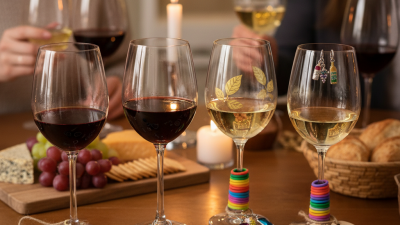
Consider the occasion too. A casual gathering might call for versatile glasses that suit both reds and whites. However, a formal dinner can warrant specific shapes for each wine served. Remember, the journey of wine appreciation is personal. Experiment with various styles to find what resonates with your palate. Don't be afraid to change things up depending on your menu or mood.
Wine Glass Shape Preferences for Different Occasions
Caring for and Maintaining Your Wine Glass Collection
Caring for your wine glass collection is essential for enhancing your enjoyment of wine. Proper maintenance ensures longevity and keeps your glasses looking pristine. Start by washing your glasses gently. Use warm, soapy water and avoid using harsh detergents. Always wash by hand; the dishwasher's heat can cause cracks. Rinse well to remove any soap residue.
Make it a habit to store your glasses upright. Storing them upside down may trap dust and odors. Consider using a protective cloth or a dedicated shelf for better organization. This prevents accidental damage and helps maintain clarity. If you notice any cloudy spots, it might be time for a carefully supervised cleaning.
Be aware of the different needs based on glass shapes. For example, wider bowls may require extra care, as they can be more delicate. Pay attention to sudden changes in temperature when cleaning. Hot water can cause thermal shock. Regular inspection is key; look for chips or cracks. Keeping your collection intact not only enhances aesthetics but also preserves the quality of your favorite wines.

 +86 13438161196
 CONTACT NUMBER
 CONTACT NUMBER