How to Choose the Best Gradient Glass for Your Projects?
When selecting the perfect Gradient Glass for your projects, it’s essential to understand the nuances involved. Renowned designer and glass artisan, Mark Thompson, emphasizes, "Quality Gradient Glass can elevate any design project." This statement underlines the importance of choosing the right materials.
Gradient Glass is not just about aesthetics; it requires careful consideration. The glass gradient can influence color perception, light transmission, and overall ambiance. Designers often face dilemmas when matching glass types with project needs. For instance, the transition from one color to another should create a seamless flow. This is more than a visual choice; it impacts functionality.
Many may overlook the significance of sourcing reputable suppliers. Not all Gradient Glass is created equal. Poor choices can lead to unsatisfactory results. Evaluating the quality of glass ensures that the final outcome meets expectations and project standards. Reflection on these aspects is crucial for achieving a successful design outcome.
Factors to Consider When Choosing Gradient Glass for Your Project
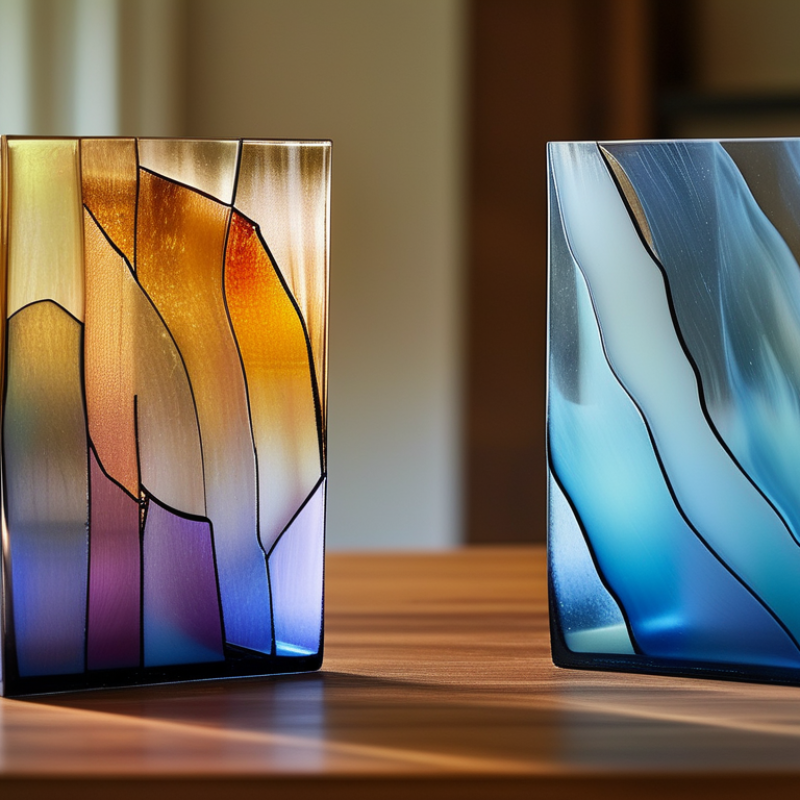
When choosing gradient glass, there are several critical factors to consider. Start with color transitions. The blend from one shade to another can affect the overall ambiance of your project. Subtle changes create a calming effect, while bold transitions can evoke stronger emotions. Analyze the purpose of your project to determine the required intensity of color.
Thickness and type of glass also play important roles. Different thicknesses can impact both durability and aesthetics. Thicker glass often provides more strength but may limit the gradient effect. Next, think about the lighting. Natural light can highlight the glass's features, enhancing the color gradients at different times of day. Poor lighting, however, can lead to dull appearances.
Reflect on your project's context as well. Environments with high humidity may require specialized glass to prevent damage. Additionally, consider the installation process. Some gradient glasses can be more challenging to fit. This complexity can lead to errors if not handled properly. Your choices should align with both your vision and practical constraints.
Understanding Different Types of Gradient Glass: Characteristics and Applications
Gradient glass comes in various types, each suited for specific applications. Understanding these differences is crucial for making the right choice for your project. One common type is etched gradient glass. It features a frosted finish that diffuses light softly. This type is often used in interior design to create privacy while maintaining a bright atmosphere.
Another popular option is tinted gradient glass. It can come in different colors and shades. This variety provides aesthetic appeal and reduces glare. It is frequently used in modern architecture and landscaping, enhancing both visual interest and functionality. The challenge lies in selecting the right tint for your space. Darker shades may decrease visibility, while lighter options might not offer enough privacy.
Laminated gradient glass offers safety benefits. It consists of multiple layers bonded together, providing additional strength. This glass is often used in high-traffic areas or applications requiring extra durability. However, it can also be heavier, potentially complicating installation. Each type has its strengths and weaknesses. Careful consideration of your needs and environment is essential to making an informed decision.
Evaluating Optical Performance Metrics of Gradient Glass in Design
Evaluating optical performance metrics is crucial when selecting gradient glass for design projects. The transmission and reflection of light play significant roles in optical quality. According to industry reports, gradient glass can offer up to 90% light transmission, which is essential for clarity in various applications. However, not all gradient glasses achieve the same optical performance. Factors such as thickness and gradient angle significantly influence these metrics.
Another important metric is the color accuracy of the glass. A study published in the Journal of Optical Materials highlighted that some gradient glasses may distort color perception under different lighting conditions. This distortion can lead to misleading visual effects in design work, which should not be overlooked. Furthermore, consistency in gradient transition is vital. Fluctuations in density can create unexpected shadows, potentially detracting from the intended aesthetic effect.
Ultimately, understanding these optical performance metrics can guide designers in making well-informed decisions. While gradient glass offers many benefits, it is essential to critically assess its characteristics. Designers should remain cautious, as the wrong choice could adversely impact the final project outcome. Balancing optical performance with design intention is necessary for achieving the desired results.
Cost Analysis: Budgeting for High-Quality Gradient Glass Options
When budgeting for high-quality gradient glass, several factors come into play. Quality matters. Cheaper options may seem tempting, yet they can compromise on both aesthetics and durability. Evaluating the source and materials used in crafting the glass is vital. This knowledge can influence the price you pay.
Consider the supplier’s reputation. An established supplier often charges more, reflecting their expertise and proven quality. Check reviews and ask for samples if possible. This way, you can gauge the glass quality without significant upfront costs. Plan for unexpected expenses, too. Shipping and installation can add to your budget, especially for larger pieces.
Moreover, think about the finish and customization options. Custom designs typically increase the price tag. Are you prepared to pay for unique patterns or specific color gradients? Each decision impacts your bottom line. Reflect on your priorities. Sometimes, less is more. Opting for a simpler design might leave more room in your budget for other project elements.
Sourcing and Supplier Considerations for Gradient Glass Materials
When sourcing gradient glass for your projects, identifying reliable suppliers is crucial. Focus on suppliers with a proven track record in delivering high-quality materials. Visit their facilities if possible. This direct approach provides insight into their manufacturing process and quality control measures.
Consider the range of gradient effects offered. Different suppliers may provide unique color gradients or thickness options. Explore samples to evaluate how these gradients interact with light. This hands-on experience can significantly influence your final decision.
Communication is vital in this process. A responsive supplier can offer guidance and address concerns promptly. However, not all suppliers possess the same level of expertise. Ensure you ask detailed questions about their production methods and sourcing of raw materials. This can reveal their commitment to quality and sustainability. There may be challenges with availability or lead times, and open discussions can mitigate potential issues.

 +86 13438161196
 CONTACT NUMBER
 CONTACT NUMBER