How to Choose the Best Glass Water Drinking Solutions?
Choosing the best glass water drinking solutions is essential for maintaining hydration and health. The glass water drinking industry has witnessed significant growth, with a market value projected to reach $5 billion by 2025, according to a recent industry report. This rise is fueled by increasing consumer awareness of health and sustainability. Experts emphasize the benefits of glass over plastic, showcasing its safety and environmental advantages. Dr. Emily Carter, a leading expert in sustainable materials, once stated, “Glass is not just a vessel; it’s a commitment to health.”
Many consumers overlook important factors while selecting glass water drinking solutions. The thickness of glass, design features, and safety ratings can greatly influence your experience. Moreover, not all glass is created equal. Some brands use high-quality borosilicate glass, which is durable and resistant to temperature changes. On the other hand, lower-quality glass might break easily and could leach substances over time.
Reflecting on personal choices in hydration can lead to better decisions. Consider the type of glassware that fits your lifestyle. Are you prioritizing ease of cleaning or aesthetic appeal? Digging deeper into these aspects can lead you to an informed choice in glass water drinking solutions that truly meet your needs.
Factors to Consider When Choosing Glass Water Drinking Solutions
Choosing the right glass water drinking solutions involves several critical factors. First, consider the type of glass. Borosilicate glass is known for its durability. It withstands temperature changes well. However, it's essential to handle all glassware with care. Glass that is too thin can easily break.
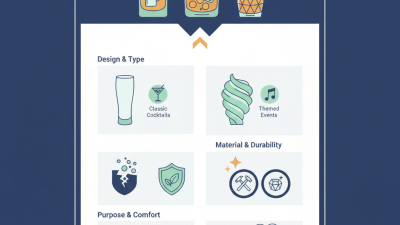
Next, think about the design and capacity. A well-designed glass should feel comfortable in your hand. Consider sizes that fit well in your refrigerator or cup holder. Some designs may look appealing but can be less functional. A tall, narrow glass may be difficult to clean. Look for options that balance aesthetics and usability.
Lastly, evaluate the health aspects. Glass is non-reactive and does not leach chemicals. This makes it a healthier choice than plastic. However, be wary of heavy metals in some recycled glasses. Always check for certifications that ensure safety. Regularly inspect your glassware for cracks or chips. These imperfections can harbor bacteria, posing a health risk.
The Impact of Glass Quality on Health and Safety Standards
When selecting a glass water drinking solution, the quality of the glass plays a crucial role in health and safety. Studies suggest that low-quality glass can leach harmful substances into drinking water. According to a report from the World Health Organization, contaminants from inferior glass can pose risks to long-term health, especially for vulnerable populations like children and pregnant women.
High-quality glass is often more durable and reduces the risk of breaking. The American Ceramic Society indicates that tempered glass, for example, has higher resistance to thermal shock. Choosing such glass can avoid accidents and ensure safety, as shards from broken glass can lead to serious injuries. However, the market is flooded with options, and not all products adhere to safety standards.
Additionally, many people overlook the potential impact of glass design on usability. While aesthetics matter, a poorly designed spout can lead to spills. Therefore, when evaluating glass options, consider both the material quality and practical design. Understanding this balance is essential for making informed choices about drinking solutions.
Comparing Different Types of Glass Water Bottles for Durability
When evaluating glass water bottles, durability is a key aspect. Different types of glass materials exhibit varying levels of strength. For instance, borosilicate glass, commonly used in laboratory settings, can withstand temperature changes better than regular glass. According to a 2021 report from the International Journal of Environmental Research, borosilicate glass can endure thermal shock and is less likely to shatter.
Another consideration is the thickness of the glass. Thicker glass generally offers more durability. However, it also adds weight. A study by the Journal of Materials Research found that thinner glass can be more prone to cracking when dropped, which is a common issue for everyday users. In contrast, while thicker glass may feel cumbersome, it often results in fewer breaks over time.
Despite these advantages, some consumers may overlook the potential for scratches. Even durable glass can become marked, affecting its appearance and safety. This insight from the Glass Research Institute emphasizes the importance of regular maintenance. Simple steps can greatly extend the life of your glass bottle. Choosing the right cleaning method can prevent wear and extend functionality.
How to Choose the Best Glass Water Drinking Solutions? - Comparing Different Types of Glass Water Bottles for Durability
| Type of Glass Bottle |
Capacity (ml) |
Durability Rating |
Weight (g) |
Price ($) |
| Standard Glass Bottle |
500 |
4.5/5 |
350 |
15 |
| Borosilicate Glass Bottle |
750 |
5/5 |
400 |
20 |
| Tempered Glass Bottle |
600 |
4.8/5 |
380 |
18 |
| Reusable Glass Bottle |
450 |
4.2/5 |
300 |
12 |
Eco-Friendly Glass Drinking Options and Their Environmental Benefits
Choosing eco-friendly glass drinking options is essential in today’s environmental climate. Glass is 100% recyclable and can be reused indefinitely without losing quality. According to a study by the Glass Packaging Institute, up to 80% of glass containers are recycled in the U.S., significantly reducing landfill waste. This contrasts with plastic, where only 9% is recycled.
By opting for glass, you eliminate harmful chemicals often found in plastics. These chemicals can leach into beverages, affecting safety and taste. Switching to glass helps reduce carbon emissions, with recycled glass using 30% less energy than producing new glass. A report from the National Recycling Coalition highlights that using recycled materials for glass production decreases greenhouse gas emissions by 20%.
However, glass isn’t universally perfect. It can be heavier and more fragile than other materials. Care is needed to avoid breakage. While glass offers many benefits for the environment, its transport and packaging still present challenges. Reflecting on these factors is crucial when considering sustainable choices.
Environmental Benefits of Glass Drinking Solutions
Understanding Maintenance and Care for Glass Water Containers
When it comes to caring for glass water containers, proper maintenance is essential. Regular cleaning prevents residue buildup. Use a gentle soap to scrub the interior. A soft sponge works well without scratching the glass. Pay special attention to the rim and any hard-to-reach spots. If a stubborn stain appears, baking soda can be an effective solution.
Storage is another crucial factor. Avoid direct sunlight for prolonged periods. UV rays can weaken glass and affect the water’s taste. Instead, store containers in a cool, dark place. Make sure the lid fits securely. Loose lids can lead to contamination.
Occasional inspection is necessary too. Look for cracks or chips that could compromise the container's integrity. A damaged glass container can pose safety risks. If you find any defects, it might be time to reconsider its use. Through mindful maintenance, the longevity and reliability of your glass water containers can be significantly enhanced.

 +86 13438161196
 CONTACT NUMBER
 CONTACT NUMBER