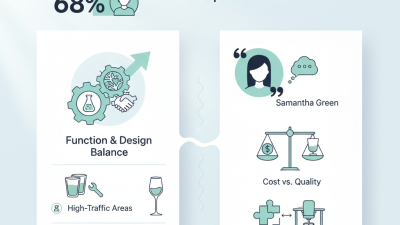
Why Choose the Right Wine Glass for Your Business Needs?
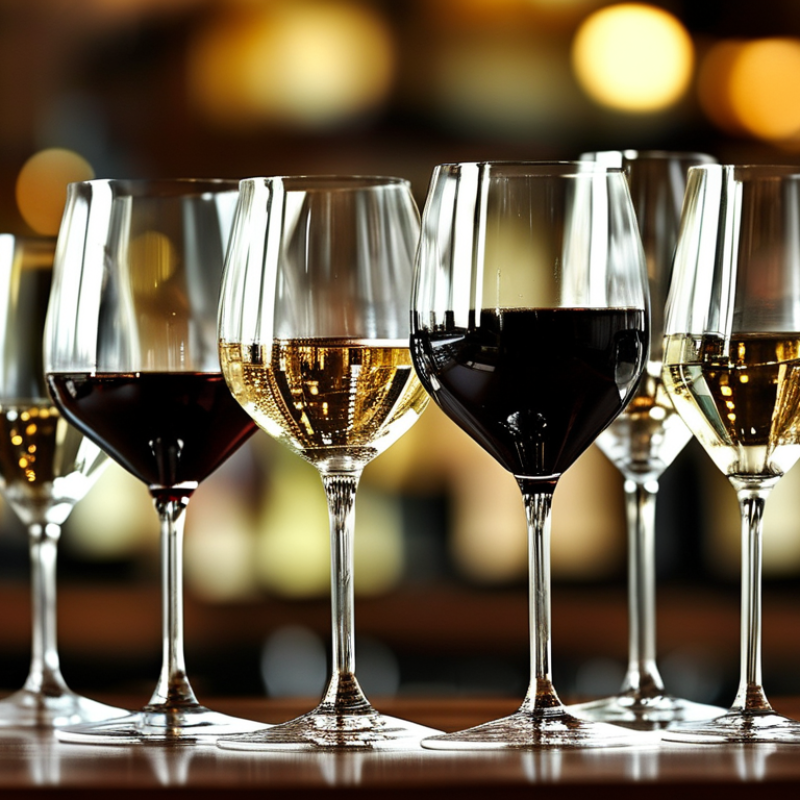
Choosing the right wine glass is crucial for any business in the hospitality industry. A well-chosen glass elevates not just the wine itself but the overall customer experience. Different wine glasses serve distinct purposes. For instance, red wine glasses enhance flavors, while white wine glasses preserve freshness.
Wine glass selection can reflect your brand’s identity. The right glass can leave a lasting impression on customers. However, many businesses overlook this detail. Investing time in selecting the perfect wine glass is essential for quality service. Customers notice the little things that enhance their enjoyment.
Working with various glasses can be challenging. Each type has its own unique shape and characteristics. It might seem overwhelming at first. Yet, understanding these differences is key to providing excellent service. A wine glass is not just a vessel; it's an integral part of the wine experience.
Understanding the Importance of Wine Glass Selection for Businesses
Choosing the right wine glass is not just about aesthetics. For businesses, this decision impacts customer experience and brand perception. Research indicates that 60% of consumers believe glassware influences their enjoyment of wine. The proper glass can enhance aromas and flavors, which is crucial for restaurants and hospitality venues.
Moreover, material and shape play significant roles. According to a study from the Beverage Testing Institute, the bowl's size and rim thickness can alter how consumers perceive taste. A glass that emphasizes the wine's acidity and tannin can elevate the dining experience. This is essential for businesses committed to quality.
However, many establishments overlook these details. A survey showed 45% of bars use generic glassware. This can lead to negative customer experiences. Lack of attention to glass selection may result in lost revenue. Investing in the right wine glass is vital for anyone in the industry. It reflects a commitment to excellence and enhances overall customer satisfaction.
Why Choose the Right Wine Glass for Your Business Needs?
| Wine Glass Type |
Ideal Use |
Material |
Average Price ($) |
Capacity (ml) |
| Red Wine Glass |
Formal Dining |
Crystal |
20 |
350 |
| White Wine Glass |
Casual Gatherings |
Glass |
15 |
300 |
| Flute Glass |
Celebrations |
Plastic |
5 |
200 |
| Tumblers |
Outdoor Events |
Polycarbonate |
8 |
250 |
The Impact of Wine Glass Design on Customer Perception and Experience
The design of wine glasses plays a crucial role in shaping customer perception.
A recent report from the Beverage Industry Association highlights that
76% of consumers feel that the
type of glass affects their overall enjoyment of wine. Aesthetics, material, and size
can create a distinct experience. For instance, a large bowl allows wine to breathe,
enhancing aromas and flavors. This detail can lead to greater customer satisfaction
and repeat visits.
When selecting wine glasses, consider the type of wine served. Research indicates that
specific glass shapes can enhance the tasting experience. For red wines,
large-bowled glasses amplify the bouquet. For whites,
narrower glasses maintain temperature. A mismatch can lead to dissatisfaction and
diminished perceptions of the establishment.
Tips: Choose glasses that reflect the character of your brand. Elegant
designs may attract upscale clientele. Regularly evaluate your glassware for wear and
tear. It can impact customers' experiences and their perception of your business.
The right glasses can elevate the entire dining experience, contributing to successful
brand storytelling. Each detail matters.
Types of Wine Glasses and Their Suitability for Different Wines
When it comes to serving wine, the choice of glass matters significantly. Different types of wine glasses enhance various wine flavors and aromas. For example, a Bordeaux glass has a wide bowl. This design allows robust red wines to breathe, bringing out their complex scents. A narrow rim helps to direct the wine to the back of the palate, enhancing the tasting experience.
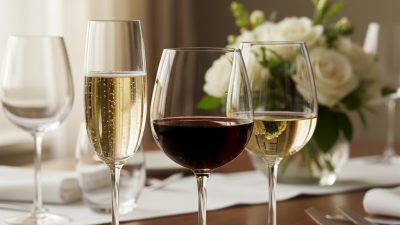
On the other hand, a white wine glass is typically smaller. Its shape helps maintain the cooler temperature of the wine. This glass style often has a tapered bowl, concentrating the delicate aromas. Sparkling wine glasses, such as flutes, allow for the visual appeal of the bubbles to shine. Yet, they can sometimes trap aromas, making the wine less expressive.
Choosing the wrong glass can hinder the wine's potential. It’s easy to overlook how glassware impacts the overall experience. Investing in a variety of glass styles can optimize wine service and delight customers. Understanding these subtleties is crucial for professionals in the wine industry. It's not just about aesthetics; it’s also about creating memorable tasting moments.
Factors to Consider When Choosing Wine Glasses for Your Establishment
When selecting wine glasses for your establishment, several factors come into play. The shape and size of the glass affect the wine's aroma and taste. Studies show that customers are more likely to enjoy their wine when served in the right glass. A narrow opening can concentrate aromas, enhancing the overall drinking experience. In fact, a survey by Wine Enthusiast found that 88% of wine drinkers believe glassware impacts flavor.
Durability is another critical factor. Restaurants face high turnover and frequent glass breakage. Choosing glasses that withstand commercial use is vital. According to a report from the National Restaurant Association, establishments experience an average of 15% glassware loss per month. Investing in shatter-resistant options can minimize costs and operational disruptions.
Consider the aesthetic appeal as well. Elegant glassware can elevate the dining experience. Customers often associate quality wine with well-designed glasses. However, balancing aesthetics with practicality is essential. If glassware is too delicate, it may lead to dissatisfaction. Ultimately, finding the right balance between functionality and style cannot be overlooked. Understanding these factors will help you make informed decisions for your business needs.
Cost vs. Quality: Making Financial Decisions on Wine Glass Purchases
Choosing the right wine glass for your business is essential. It's a decision that involves balancing cost and quality. According to a 2023 industry report, establishments that invest in higher-quality glassware see an increase in customer satisfaction by 25%. Wine is a sensory experience, and the right glass enhances aroma and flavor. However, budget constraints often complicate this.
Many businesses opt for cheaper options. While they save money upfront, the impact on perceived value can be detrimental. A study highlighted that 35% of customers judged overall dining quality based on glassware alone. Shattered glasses due to poor quality can lead to additional costs, damaging the business's reputation. Investing in durable, high-quality options may seem expensive initially, but it’s often cost-effective long-term.
Reflecting on financial decisions is crucial. Investing in glassware can elevate the experience, but it requires thoughtful consideration. Low-cost glasses might wear out quickly, forcing repeated purchases. A careful analysis of the cost-per-use can clarify the better investment, leading to better profitability. Ultimately, balancing cost and quality leads to smarter business decisions that resonate with customers.

 +86 13438161196
 CONTACT NUMBER
 CONTACT NUMBER