What is Borosilicate Glassware and Why is it Important?
Borosilicate Glassware has gained significant popularity in laboratories, kitchens, and homes. This unique glass is renowned for its exceptional resistance to thermal shock and chemical stability. Dr. Emily Johnson, a leading expert in materials science, states, "Borosilicate glass is a game changer in both culinary and scientific applications."
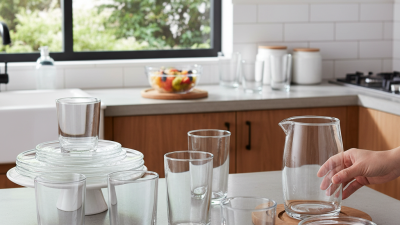
Its ability to withstand extreme temperature changes makes it ideal for a wide range of uses. From beakers and test tubes to measuring cups and baking dishes, Borosilicate Glassware has become essential. High durability ensures that it remains a reliable choice for both professionals and amateurs alike.
Despite its benefits, some users may overlook the importance of proper handling. Improper usage can still lead to breakage or thermal stress. Thus, understanding the limitations of Borosilicate Glassware is crucial for maximizing its potential. Acknowledging these factors ensures this valuable material continues to serve effectively in its various applications.

Definition and Composition of Borosilicate Glassware
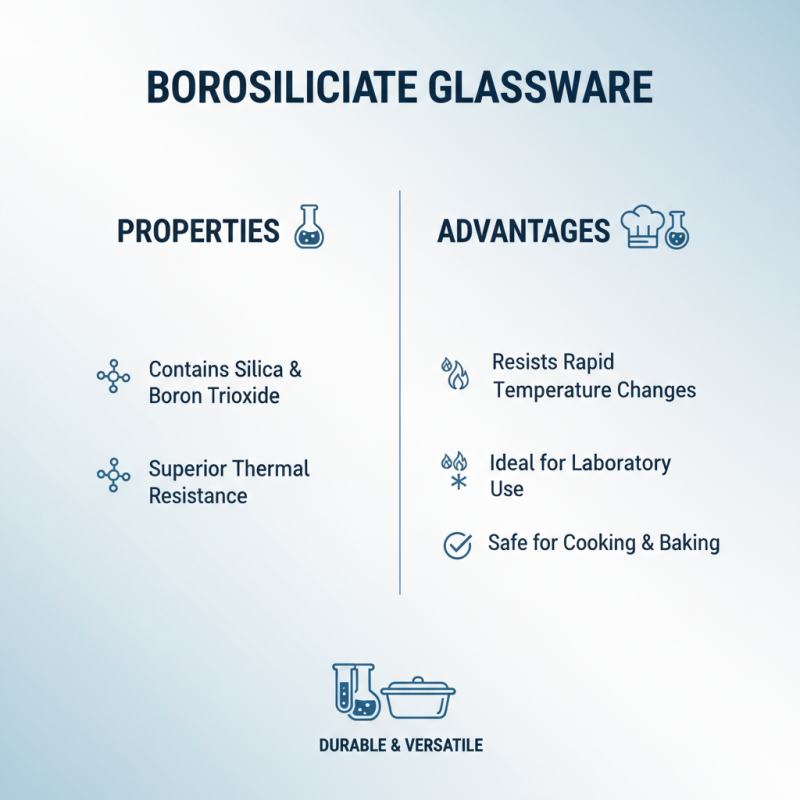
Borosilicate glassware is a specialized type of glass known for its durability and resistance to thermal shock. The primary components of borosilicate glass include silica and boron trioxide. This combination gives the glass its unique properties. Silica provides strength, while boron helps it withstand sudden changes in temperature.
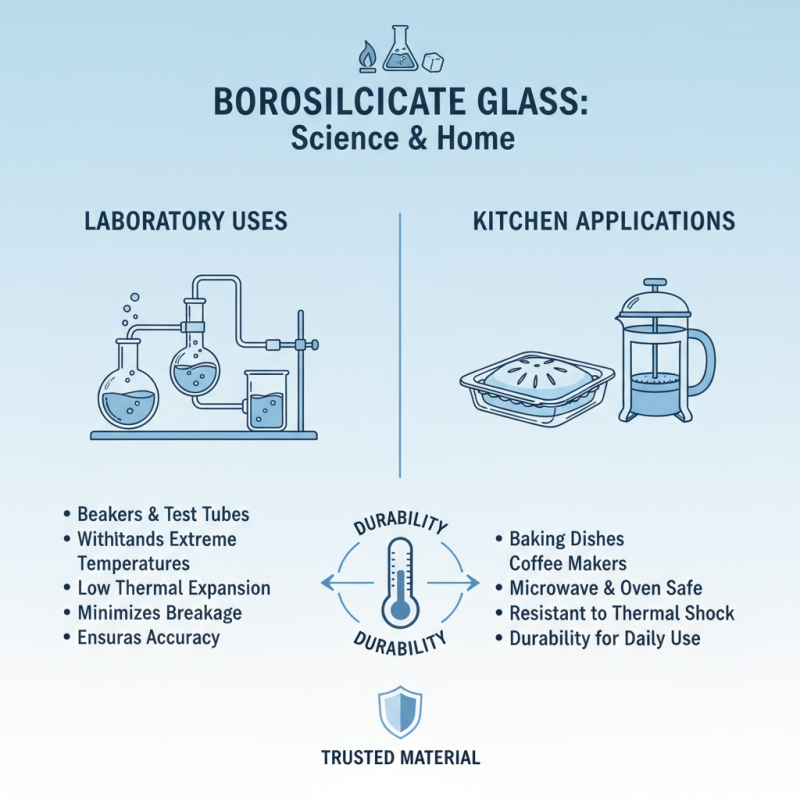
Practical applications of borosilicate glass are found in laboratories and kitchens. Laboratory glassware, such as beakers and flasks, benefits from its robustness and clarity. In kitchens, items like measuring jugs or baking dishes made from borosilicate glass can endure high heat. However, users should be cautious; even borosilicate glass can crack under extreme conditions or rapid temperature shifts.
Not all borosilicate glass is created equally. Variations in manufacturing can lead to differences in quality and performance. It’s crucial to consider the intended use. Not every piece of borosilicate glass will perform optimally under every condition. Understanding these factors can help users navigate their choices more effectively.
Borosilicate Glassware Properties
This bar chart illustrates the various properties of borosilicate glassware, showcasing its superior performance compared to standard glass. The data highlights thermal resistance, chemical durability, and mechanical strength.
Common Uses and Applications of Borosilicate Glassware
Borosilicate glassware is widely known for its durability and resistance to thermal shock. This unique material is essential in various scientific and kitchen applications. Its ability to withstand extreme temperatures makes it ideal for laboratory glassware, such as beakers and test tubes. Scientists trust borosilicate glass due to its low expansion coefficient, minimizing breakage and ensuring accuracy in experiments.
In cooking, borosilicate glassware is a popular choice for baking dishes and storage containers. It’s non-reactive, meaning it won’t leach harmful substances into food. Many home chefs appreciate how it transitions easily from oven to fridge. However, it can be fragile if dropped. Users must handle it with care.
Artisans often use borosilicate glass for decorative purposes and jewelry. Its clarity allows for stunning designs. Nevertheless, creating intricate pieces requires skill and practice. The learning curve can be steep, and failures may occur, but the results can be breathtaking. This balance of utility and artistry highlights why borosilicate glassware is important in multiple fields.
Comparison with Other Types of Glassware
Borosilicate glassware is renowned for its durability and resistance to thermal shock. Compared to regular glass, it can withstand sudden temperature changes without breaking. This makes it ideal for laboratory use and cooking. The composition includes silica and boron trioxide, giving it unique properties.
When looking at other types of glassware, such as soda-lime glass, the differences are striking. Soda-lime glass is more common but less heat resistant. It's often used in everyday items like windows and bottles. While it serves its purpose well, it lacks the thermal stability needed for intense applications. This is where borosilicate stands out.
However, borosilicate glassware is not without flaws. Its cost is typically higher than that of other glass types. This might deter some users. Additionally, while it's more durable, it is still vulnerable to scratching and chipping. Awareness of these limitations is essential for anyone making an informed choice in glassware.
Care and Maintenance Tips for Borosilicate Glassware
Borosilicate glassware is popular in kitchens and laboratories. Its ability to withstand temperature changes makes it a favorite among many.
However, caring for this type of glass requires some attention to detail.
To maintain borosilicate glassware, start by washing it carefully.
Handwashing is often recommended, using mild dish soap and a soft sponge.
Avoid abrasive cleaners that could scratch the surface. Ensure each piece dries completely to prevent cloudiness from water spots.
Storing borosilicate glass properly is crucial. Place items in a secure, padded area to avoid chipping.
If stacking glass items, separate them with cloth or silicone pads.
While borosilicate glass is durable, it’s not unbreakable. Handle with care to prevent accidents. Always inspect pieces for cracks before use.
Addressing these details can prolong the life of your glassware.

 +86 13438161196
 CONTACT NUMBER
 CONTACT NUMBER