+86 13438161196


In 2026, the best Glassware Styles will need to do more than look striking on a shelf. They must feel comfortable in the hand, suit everyday drinks, and hold up to repeated use. A thin-stemmed wine glass catches the light beautifully, but a sturdy tumbler may be the better choice for a busy kitchen. Small details matter.
Market data offers useful context, not a crystal ball. Grand View Research estimated the global glass tableware market at about $8.3 billion in 2023 and projected annual growth of roughly 4.8% from 2024 to 2030. That figure covers a broad product category; it does not prove that one shape or finish will dominate in 2026. The National Restaurant Association’s 2025 State of the Restaurant Industry report projected U.S. restaurant sales of $1.5 trillion, signaling the scale of the dining sector where glassware choices also shape presentation. Still, sales forecasts cannot tell us what customers will love at home.
This guide compares the styles likely to earn a place at the table: sculptural silhouettes, colored glass, vintage-inspired cuts, and practical everyday sets. It weighs appearance against grip, weight, clarity, and care. Trends can be persuasive. They can also date quickly. The most useful choice may be the glass you reach for without thinking.
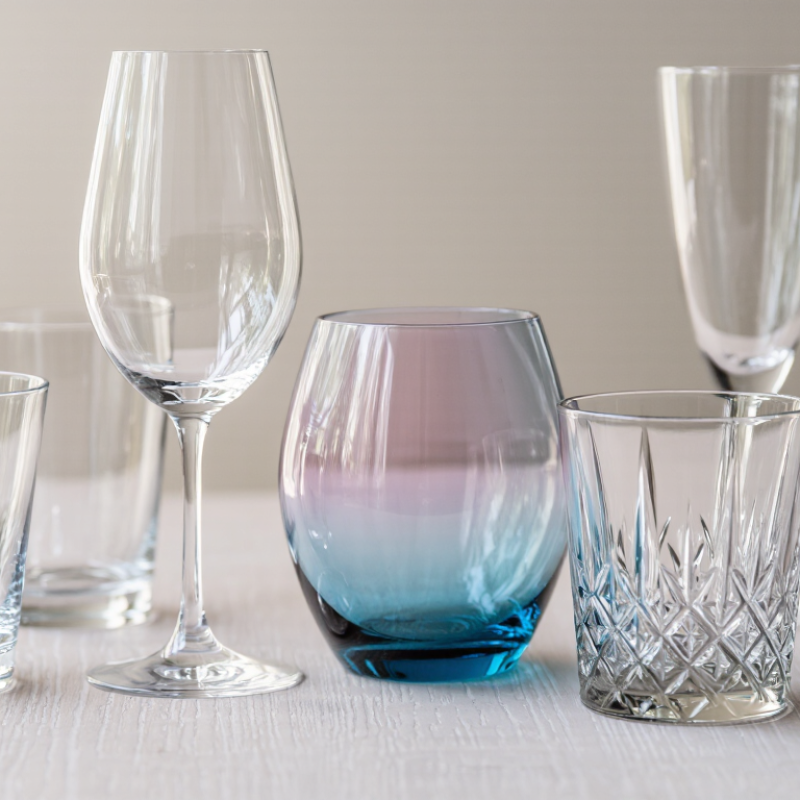
In 2026, a glassware style is defined by how shape, material, and use work together. A tall, slender glass may suit a crisp drink, while a low, wide tumbler feels steady in the hand. The details matter: rim thickness changes the feel of each sip, and a narrow base can make a glass easier to hold. Style is not just appearance.
Material and finish also shape the experience. Clear glass shows a drink’s color; a lightly textured surface can soften reflections and improve grip. In daily use, weight matters more than a product photo suggests. A heavy glass feels substantial, but it may be tiring to lift or awkward to stack. Feel matters.
A useful 2026 style balances visual character with practical care. Look for stable bases, comfortable rims, and shapes that fit your usual drinks and storage space. Some sculptural designs look striking but are difficult to wash. That trade-off is easy to overlook. There is no single best style; the right choice depends on how a glass performs after the table is cleared.
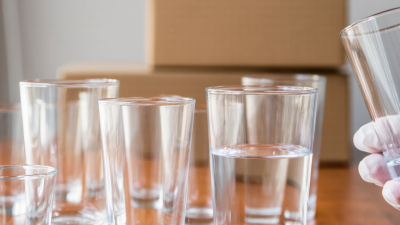
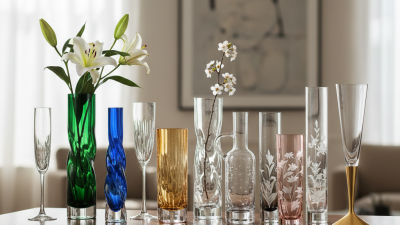
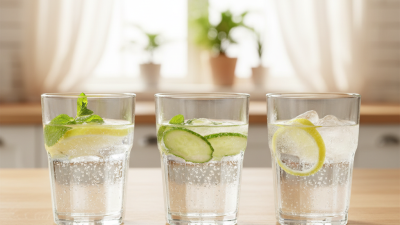
In 2026, glassware is moving beyond plain, uniform tumblers. Softly tinted bowls, ribbed sides, and gently irregular rims bring texture to everyday tables. Short, wide wine glasses feel relaxed beside dinner, while narrow highballs suit sparkling water with visible citrus slices. These shapes are not just decorative; they change how a glass feels in the hand and how it sits on a crowded shelf. Small details matter. Grand View Research estimated the global glassware market at about $3.8 billion in 2023, with projected annual growth of 4.3% through 2030. That market forecast signals commercial interest, but it does not prove that any single style will dominate.
A noticeable design direction is visual contrast: clear glass paired with a colored foot, or a smooth bowl above a textured base. Stackable forms are also practical for smaller kitchens, though their silhouettes can look less distinctive. Recycled glass and handmade-looking finishes appeal to shoppers seeking character and material transparency. Here, expectations deserve a little scrutiny: recycled content and handmade appearance are not always clearly explained by sellers. Check product specifications rather than judging by color or texture alone. For a considered table, mix one expressive shape with simple everyday pieces. A deep green goblet beside a clear tumbler can feel intentional without making each place setting compete for attention.
Material determines how a glass feels, handles heat, and survives daily use. Soda-lime glass suits everyday tumblers, while borosilicate glass tolerates sharper temperature changes. Lead-free crystal can offer a thinner rim and brighter sparkle, but delicate stems need careful storage. Hold a glass by its bowl and stem; wobble and weight become obvious fast. Tiny details matter.
Finishes change both upkeep and end-of-life options. Etched patterns feel tactile, while metallic rims and bonded coatings may limit dishwasher use. Check care guidance rather than assuming every glass is dishwasher-safe. FEVE’s 2022 report put Europe’s glass packaging recycling rate at 80.1%; the figure concerns packaging, not tableware. The U.S. EPA reported a 25% recycling rate for glass containers in 2018. Different systems, different results. That gap matters when choosing decorated pieces: coatings and mixed materials can complicate sorting, and drinking glasses may not belong in packaging-glass collection. I still find a plain, sturdy glass less exciting on a shelf. But it is often easier to care for, and less frustrating after a chipped rim.
| Style | Typical Material | Finish or Design Detail | Good For | How Material and Finish Affect the Choice |
|---|---|---|---|---|
| Classic clear stemware | Soda-lime glass or lead-free crystal | Clear, smooth bowl with a stem | Wine service, formal meals, and versatile table settings | Clear glass keeps color and clarity visible. Lead-free crystal can be made thin and bright, while everyday soda-lime options are often more affordable. Check care instructions before using a dishwasher. |
| Stemless glassware | Soda-lime glass or tempered glass | Simple, low-profile silhouette | Casual dining, water, and mixed drinks | The compact shape is easy to store and handle, though the bowl warms more readily from hand contact than a stemmed glass. Tempered versions are designed for improved impact resistance, but are not unbreakable. |
| Ribbed or fluted tumblers | Soda-lime glass | Raised vertical ribs or fluting | Water, juice, iced drinks, and everyday table settings | The textured surface adds visual interest and can make a glass easier to grip. Deep grooves may take more effort to clean, so check whether the shape is dishwasher-safe and easy to reach inside. |
| Colored glassware | Colored soda-lime glass or clear glass with a color coating | Tinted, opaque, or softly colored finish | Accent settings and coordinated drinkware collections | Color integrated into the glass generally avoids a surface layer that can wear away. Coated finishes may need gentler washing; verify care guidance and avoid abrasive cleaning unless the maker says otherwise. |
| Etched or frosted glass | Soda-lime glass | Matte, acid-etched, or sandblasted surface | Subtle decoration, casual entertaining, and privacy from visible contents | A matte surface diffuses light and softens the appearance of drinks. Because it can show residue or fingerprints differently from polished glass, regular rinsing and gentle cleaning help maintain its look. |
| Cut or faceted glass | Soda-lime glass or lead-free crystal | Geometric cuts that catch and reflect light | Cocktails, special occasions, and decorative serving | Facets create sparkle and tactile detail, but can add weight and make cleaning more involved. Thin, highly detailed pieces may need careful handling and handwashing. |
| Double-wall glass | Borosilicate glass | Two glass walls with an insulating air gap | Hot or cold drinks where reduced exterior condensation is useful | Borosilicate glass is commonly used for its relatively good resistance to thermal shock, and the air gap helps insulate the drink. It can still break; avoid sudden temperature changes and follow product-specific heating instructions. |
| Stackable everyday tumblers | Soda-lime glass or tempered glass | Straight-sided or gently tapered shape | Small kitchens, frequent use, and space-efficient storage | A tapered profile can make stacking easier, but glasses should only be stacked as intended to reduce sticking or chipping. Tempered glass offers added impact resistance compared with ordinary glass, not immunity to breakage. |
Selection tip: Match the glass to its main use, storage space, preferred feel, and care routine. “Best” depends on these practical needs; glass composition, thickness, construction, and manufacturer care instructions all affect durability.
Glassware & Wine
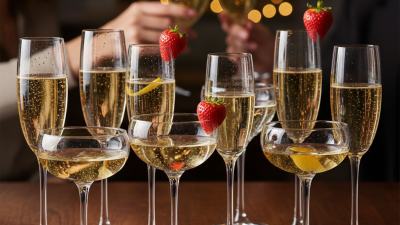
For 2026, choose glassware by drink, pace, and setting—not by trend alone. A narrow flute keeps sparkling wine lively and suits a toast, while a wider wine bowl gives aromatic reds room to open. ISO 3591:1977 specifies a standardized glass for sensory wine assessment, underscoring how shape can support tasting.
It is guidance, not magic. A better glass cannot fix a poor pour.
Cocktails & Entertaining
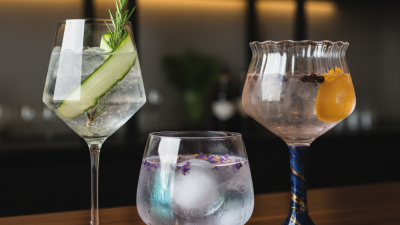
For cocktails, use a short, heavy tumbler for spirit-forward drinks served over a large cube; its broad rim makes the aroma easy to notice. Tall, slim highballs suit fizzy mixes and casual gatherings. Keep it simple. For dinner parties, stemmed glasses feel polished; sturdy stemless versions are easier to handle outdoors. IWSR’s 2024 No- and Low-Alcohol Strategic Study reported 9% volume growth for no-alcohol drinks across ten key markets in 2023. That makes versatile stemmed glasses and tall tumblers useful for alcohol-free serves, too.
One small caveat: oversized bowls look elegant, but can crowd a compact table.
Choosing glassware starts with how you will use it. For everyday water, a sturdy tumbler with a broad base is easier to handle than a delicate, narrow-stemmed glass. For wine, compare rim thickness, bowl shape, and balance in your hand; a beautiful glass that feels awkward may stay in the cupboard. Check whether pieces are dishwasher-safe, and avoid sudden temperature changes, especially with chilled or hot drinks. Small detail. Inspect the rim for chips before use, since even a tiny flaw can worsen with repeated washing.
Care affects both clarity and lifespan. ENERGY STAR’s residential dishwasher data put a certified standard-size machine at about 3.2 gallons per cycle, so washing a full load can use water efficiently. Still, keep glasses from touching, and choose a gentle cycle when the maker permits it. Hard-water spots can look like permanent damage. The USGS Water Science School classifies water above 120 milligrams per liter of calcium carbonate as hard; rinse aid or a soft cloth may help reduce residue. For delicate stemware, hand-wash with lukewarm water and a mild detergent, then dry with a lint-free cloth. I’d rather accept a few water marks than scrub too hard and risk a scratch.
Compare common glass styles by approximate typical capacity to help choose the right shape for your drinks and serving needs.
How to choose and care: Select capacity and shape for the drinks you serve most often. Check care instructions before washing; hand-wash delicate stemware, avoid sudden temperature changes, and store glasses securely.