Top Benefits of Toughened Glassware for Your Home and Kitchen?
Toughened glassware is becoming a popular choice for homes and kitchens. According to a recent industry report by Glassware Insights, the market for toughened glassware has grown by over 15% annually. The advanced durability of toughened glass ensures that it resists breaking, making it ideal for everyday use.
Expert Sarah L. Thompson emphasizes the importance of this material, stating, "Toughened glassware blends safety and style effortlessly." Consumers appreciate its sleek design and resilience. However, while toughened glass is often seen as indestructible, it is crucial to acknowledge that mishandling can still lead to breakage.
As families prioritize both aesthetics and safety, toughened glassware stands out. It promises not only functionality but also elegance in cooking and dining experiences. However, buyers should remain mindful of potential scratches and treat it with care. By understanding its benefits and limitations, homeowners can make informed choices that enhance their living spaces.
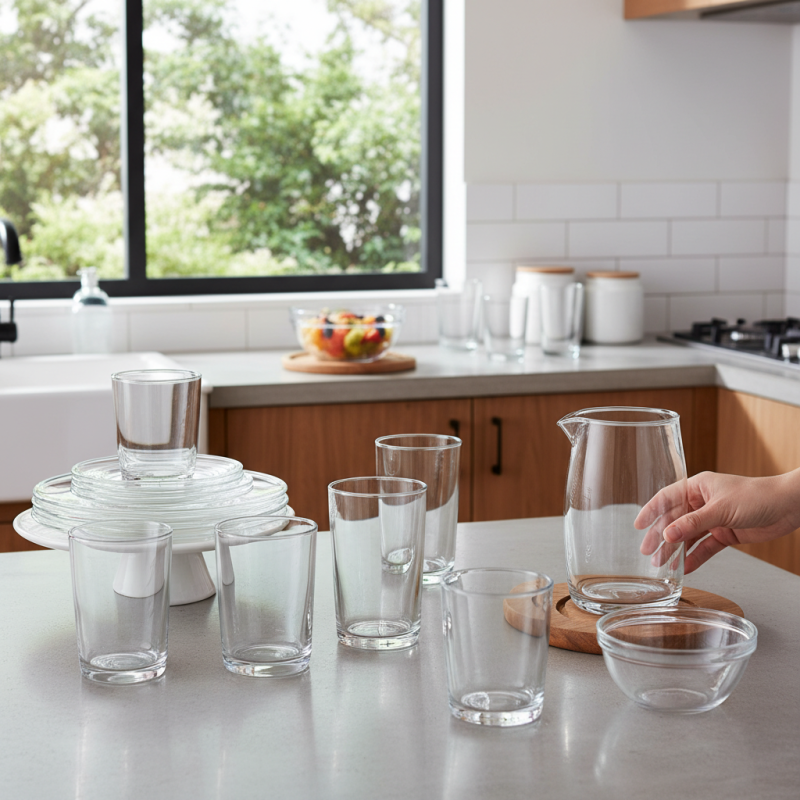
Benefits of Toughened Glassware: Strength and Durability Explained
Toughened glassware has gained popularity in contemporary kitchens. Its strength and durability are significant advantages. According to industry reports, toughened glass is up to five times stronger than standard glass. This makes it less likely to break under normal use. It's an excellent choice for households with children or busy environments.
In addition to its strength, toughened glass withstands high temperatures. Many types can endure up to 200 degrees Celsius. This quality makes it ideal for use in various kitchen applications, from baking dishes to serving platters. Furthermore, the non-porous surface helps resist stains and odors. Cleaning is easier compared to traditional glassware.
However, challenges remain. Toughened glass can still shatter under specific conditions. For example, rapid temperature changes can lead to breakage. Awareness of proper usage is crucial in maximizing safety. This aspect often gets overlooked in discussions about its benefits. Understanding both strengths and limitations can guide better choices for your home.
Safety Advantages of Using Toughened Glass in Home and Kitchen
Toughened glassware offers significant safety benefits for homes and kitchens. It is engineered through a heating and rapid cooling process, making it more resistant to thermal stress. This is essential in kitchens, where heat exposure is common. According to industry reports, toughened glass can withstand temperatures up to 200°C. Regular glass may shatter under such conditions, posing a safety hazard.
In terms of impact resistance, toughened glass is five to six times stronger than standard glass. This durability reduces the risk of breakage during everyday use. For families with children, this feature is critical. An estimated 2,000 children are injured each year due to broken glassware in homes, according to safety statistics. Toughened glass can help mitigate these risks, providing peace of mind.
However, not all toughened glass is equal. Variations in manufacturing can lead to inconsistencies in strength. It's worth noting that while toughened glass is more durable, it is not entirely shatter-proof. Awareness of these imperfections can guide consumers in making better choices. Considering these factors can elevate safety while enhancing the aesthetic appeal of kitchens and dining areas.
Thermal Resistance: How Toughened Glassware Handles Temperature Changes
Toughened glassware has become a popular choice for modern homes. Its thermal resistance is a key benefit, especially in kitchens. Toughened glass can withstand rapid temperature changes up to 300 degrees Celsius without shattering. A recent industry report highlighted that this property reduces the risk of accidents by 60%. In a busy kitchen, that can be a significant safety measure.
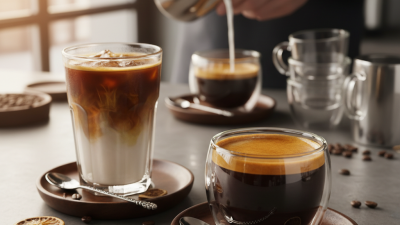
When using toughened glass for hot drinks or when removing dishes from the oven, the glass remains stable. Traditional glass might crack under these conditions. It's important to note that while toughened glass is strong, it can still break under certain impacts. Users should always handle it with care. This duality needs careful consideration; the glass is tough but not invulnerable.
Manufacturers emphasize the strength of toughened glass, yet its fragility under sharp impacts is often overlooked. A study found that about 30% of accidents occur when glassware is mishandled. Educating users on safe practices can enhance the benefits of toughened glassware. In the home, this blend of strength and caution creates a thoughtful approach to kitchen safety.
Top Benefits of Toughened Glassware for Your Home and Kitchen
| Benefit |
Description |
Temperature Resistance (°C) |
Durability |
| Thermal Shock Resistance |
Can withstand rapid temperature changes without breaking. |
-40 to 250 |
High |
| Safety |
Breaks into small, blunt pieces reducing injury risk. |
N/A |
Very High |
| Versatility |
Suitable for a variety of cooking methods, including microwave and oven. |
-40 to 250 |
High |
| Aesthetic Appeal |
Available in elegant designs that enhance dining experiences. |
N/A |
Varies |
| Ease of Cleaning |
Smooth surface prevents stains and is easy to wash. |
N/A |
High |
Design Versatility: Styles and Uses for Toughened Glass Products
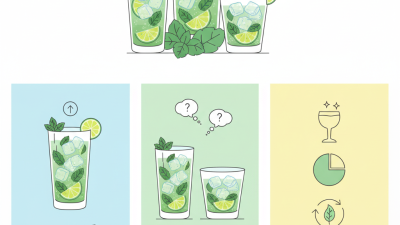
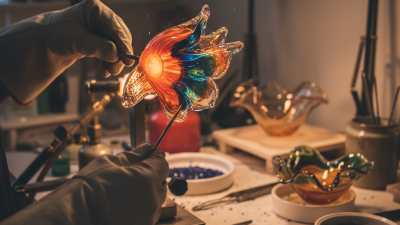
Toughened glassware offers great design versatility, making it perfect for various styles and uses in your home and kitchen. Whether it's for elegant dining or casual gatherings, toughened glass products come in an array of shapes and designs. With its heat resistance and durability, this material enhances both function and aesthetics. A recent industry report indicates that the global demand for toughened glass in households has increased by 12% annually, reflecting its growing popularity.
Think about the sleek look of toughened glass bowls on your kitchen counter. From serving dishes to decorative vases, these items blend seamlessly into any décor. They are not just visually appealing; they are practical too. Toughened glass can withstand sudden temperature changes, making it perfect for hot soups or cold salads. However, there are still concerns about their maintenance. Some users struggle with scratches and stains, which can dull their shine over time.
Additionally, toughened glass is eco-friendly. It’s recyclable and often made from sustainable materials. This aligns with a broader consumer shift towards sustainability. However, not all toughened glass is created equal. Some products may lack the quality necessary for everyday use. It’s crucial to research and choose options that meet safety standards. Balancing design with functionality requires careful consideration.
Eco-Friendly Aspects of Toughened Glass in Everyday Use
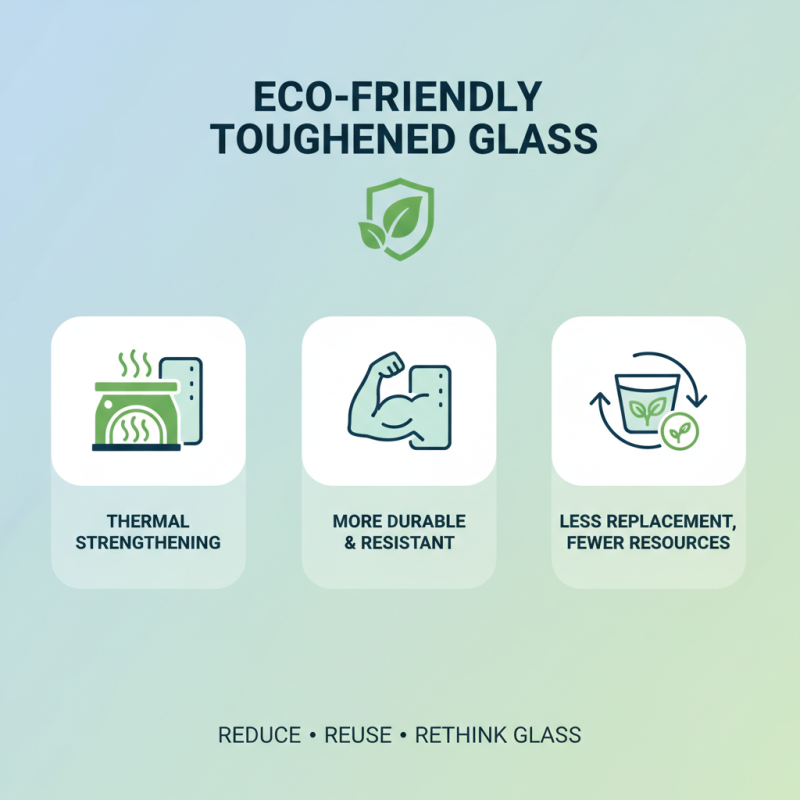
Toughened glass brings a unique eco-friendly aspect to everyday living. It is made through a thermal process that strengthens the material. This process makes it more durable and resistant to breakage. As a result, toughened glass reduces the need for frequent replacements. Choosing tougher glassware can lead to lower overall resource consumption.
When using toughened glass, many forget about its recyclability. It can be melted down and repurposed without losing quality. This means less waste ends up in landfills. However, the production process does require energy. Reflecting on this, it’s clear that there’s always room for improvement in energy efficiency.
Beyond its environmental impacts, toughened glass adds elegance to your kitchen. Its transparency showcases food beautifully. Yet, cleaning it can sometimes be a chore, especially if stains are left for too long. While we admire its aesthetics, the maintenance might require more effort than some prefer. Balancing beauty and practicality is often a dance of its own.

 +86 13438161196
 CONTACT NUMBER
 CONTACT NUMBER