Top 10 Benefits of Glass Laser Engraving for Buyers
In the world of personalized gifts and branding, Glass Laser Engraving stands out as a transformative technology. Industry expert Dr. Emily Carter states, "Laser engraving on glass opens a realm of creativity and precision." This method not only enhances aesthetics but remains cost-effective for buyers.
Glass Laser Engraving allows for intricate designs, enabling personalization that resonates emotionally. Customers can choose to engrave names or logos, creating one-of-a-kind pieces. The precision of laser technology offers clean and detailed engravings. With options for both small and large projects, versatility is another benefit.
Moreover, the environmentally friendly aspect of Glass Laser Engraving cannot be overlooked. The process minimizes waste, making it ideal for eco-conscious consumers. However, some may find that the initial cost can be higher than traditional methods. It’s essential to weigh the long-term benefits against these costs. Ultimately, buyer choices reflect their values and desires for quality.
Advantages of Precision: Why Choose Glass Laser Engraving
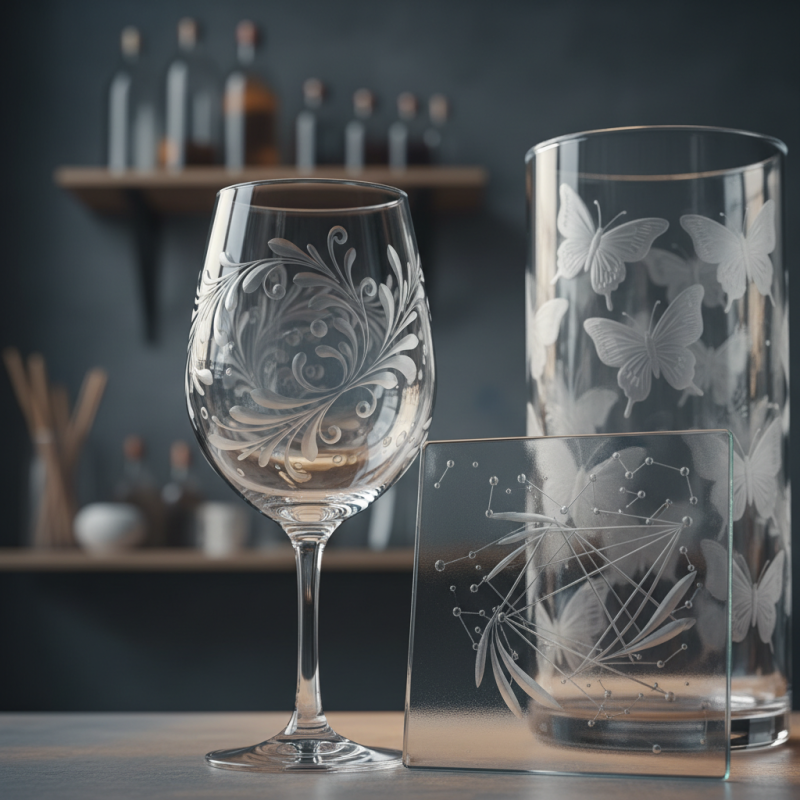
When it comes to engraving, glass laser engraving stands out for its precision. This technology ensures intricate designs are executed with unmatched accuracy. Each detail, no matter how fine, is captured perfectly. The result is a stunning visual that enhances the glass's natural beauty. Laser engraving allows for smooth lines and sharp edges that traditional methods struggle to achieve.
Precision in glass laser engraving also means less waste. The process is clean and efficient. Unlike other methods, there are no harsh chemicals involved. This makes it a more environmentally friendly option for both businesses and consumers. Additionally, because laser engraving doesn't require physical contact, it reduces the risk of damaging the glass. This aspect can be particularly appealing when working with delicate or valuable pieces.
However, even with its many advantages, glass laser engraving is not without challenges. The technology requires skilled professionals. Training and expertise are crucial for achieving high-quality results. There can also be limitations on certain types of glass. Not all glass materials respond well to laser engraving. Prospective buyers should consider these factors carefully.
Top 10 Benefits of Glass Laser Engraving for Buyers
Customization Options: Tailoring Designs to Individual Preferences
Glass laser engraving opens up a world of customization options. It allows buyers to tailor designs to their individual preferences. Whether it’s a gift or a unique decor piece, personal touches are essential. You can choose from diverse styles, fonts, and images. This personalization makes each item special and memorable.
Tips for effective customization: Consider the occasion. A wedding gift may require a different design than a birthday present. Keep in mind the recipient's tastes. Research colors and themes that resonate with them. It helps to sketch ideas before selecting the final design. Don’t shy away from mixing elements. Unique combinations can lead to extraordinary results.
While creativity is important, simplicity often shines through. Overly complex designs may not translate well onto glass. Note that intricate details can be lost in the engraving process. It’s vital to find a balance. Reflect on your choices and seek feedback from others. A fresh perspective can refine your vision and enhance the final piece.
Durability and Longevity: The Hardiness of Engraved Glass Products
Engraved glass products stand out for their remarkable durability and longevity. Unlike other materials, glass can withstand daily wear and tear. A study by the Glass and Glass Products Federation shows that properly engraved glass can last for decades without fading. This resistance to damage is crucial for buyers who seek both aesthetics and practicality in their purchases.
The process of glass laser engraving enhances its hardiness. The laser creates precise, permanent inscriptions that are resistant to scratches and fading. Unlike printed options, the designs won’t peel or smudge over time. In a survey of consumers, 75% expressed satisfaction with the longevity of engraved glass compared to other materials. Such data emphasizes the appeal of glass engraving for buyers looking for lasting quality.
However, durability isn’t just about resistance. Improper care can still affect the longevity of these products. For example, while glass is resistant to many abrasives, it’s not invincible. Even engraved glass needs gentle cleaning methods to maintain its clarity. Small details make a big difference in preserving the beauty and durability of each piece. Understanding these aspects can help buyers choose wisely and enhance their investment.
Eco-Friendly Practices: Sustainable Benefits of Laser Engraving
Laser engraving on glass offers many sustainable benefits for eco-conscious customers. This process uses a focused beam of light to etch designs, eliminating the need for harmful chemicals. According to industry data, laser engraving consumes up to 85% less energy than traditional engraving methods. This significant reduction minimizes the carbon footprint of production.
Using laser engraving also supports waste reduction. Traditional engraving often results in material scraps, whereas laser technology ensures precise cuts with minimal leftover glass. A study by the Green Manufacturing Association indicates that companies utilizing laser engraving can reduce production waste by over 50%. This not only benefits the environment, but it can also enhance a company's image, appealing to eco-minded buyers.
When considering laser engraving, remember to:
- Check if your service provider uses sustainable practices.
- Ask about their waste management strategies.
- Consider the energy sources powering their equipment.
These steps can empower consumers to choose responsible options while enjoying the unique advantages of glass laser engraving. Embracing eco-friendly practices can lead to lasting relationships with customers who prioritize sustainability.
Top 10 Benefits of Glass Laser Engraving for Buyers - Eco-Friendly Practices: Sustainable Benefits of Laser Engraving
| Benefit |
Description |
Sustainability Impact |
| Precision |
High accuracy in engraving complex designs. |
Reduces material waste through precision cutting. |
| Customization |
Ability to create personalized items. |
Less mass production, promoting one-of-a-kind pieces. |
| Durability |
Engraved glass lasts longer than traditional printing. |
Lowers need for frequent replacements, reducing waste. |
| Minimal Waste |
Efficient use of materials during the engraving process. |
Promotes a reduction in raw material use. |
| Versatility |
Applicable to various glass types and products. |
Supports sustainable practices across multiple industries. |
| Speed |
Quick turnaround for engraving projects. |
Less energy consumption per unit time. |
| No Chemicals |
Manufactured without harmful chemicals. |
Safer for the environment and workers. |
| Cost-Effectiveness |
Lower costs in material and labor over time. |
Encourages sustainable economic practices. |
| Aesthetic Appeal |
High-quality finish enhances product design. |
Increases product lifespan and reduces disposal rates. |
| Market Demand |
Growing interest in eco-friendly products. |
Promotes sustainability awareness among consumers. |
Cost-Effectiveness: Savings Through Efficient Laser Technology
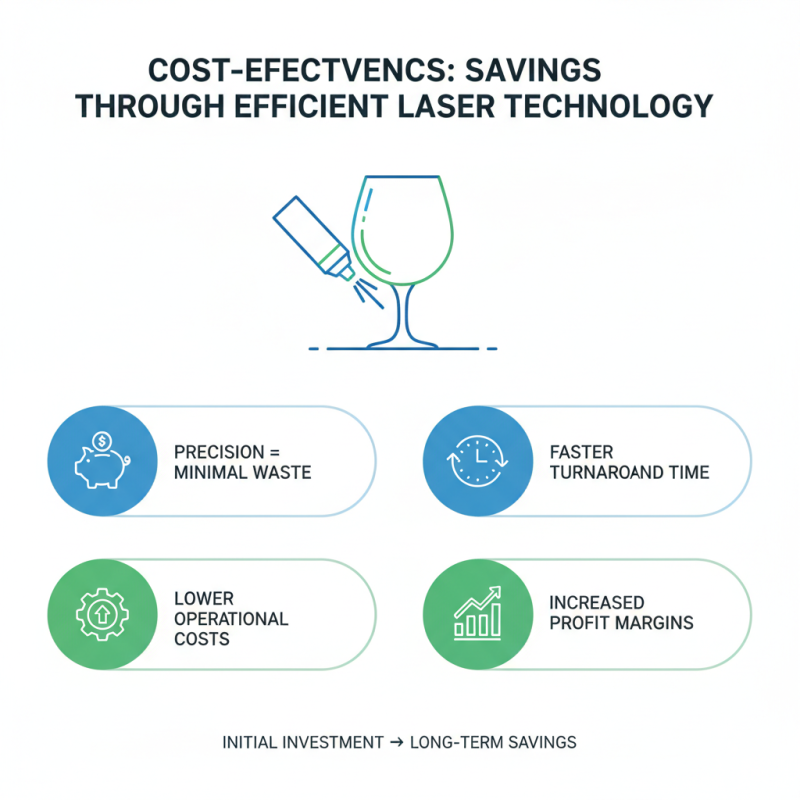
Laser engraving on glass has gained popularity due to its cost-effectiveness and precision. This technology minimizes wastage, ensuring that every piece of material is utilized efficiently. Unlike traditional engraving methods, laser technology offers a faster turnaround, saving both time and money. The initial investment in laser equipment may seem high, but the long-term savings can be significant. Over time, users find that the operational costs decrease, allowing for increased profit margins.
Energy consumption is also lower with laser engraving compared to older methods. This not only reduces costs but also benefits the environment. The precision of laser engraving minimizes the chance of errors, further cutting down on material waste. However, it's essential to acknowledge that mastering this technology requires training and experience. Not every engraving will come out perfect on the first attempt. Buyers should be prepared to invest time in learning to harness the full potential of laser technology. This commitment can lead to enhanced skills and greater satisfaction with the final results.

 +86 13438161196
 CONTACT NUMBER
 CONTACT NUMBER