+86 13438161196


Choosing products from images alone can be risky for wholesale buyers. The 2026 market demands clearer evidence, not only attractive colors and polished layouts. This guide examines Tumbler Pictures through a practical purchasing lens, focusing on design, construction, customization, and supplier credibility.
A useful image should reveal the tumbler’s proportions, lid fit, handle shape, base stability, and surface finish. Close-up views can expose uneven printing, weak seams, scratches, or inconsistent coating. Lifestyle photos may show how the product looks in daily use, but they rarely confirm capacity or material quality. Details matter. Buyers should request dimensions, weight, insulation claims, packaging photos, and production samples before placing large orders.
Our approach combines visual evaluation with common wholesale quality checks. We consider stainless steel grades, leak-resistant lid structures, powder coating durability, logo placement, and color consistency across batches. Supplier photographs should match technical documents and recent sample evidence. Ask for proof. A beautiful catalog image can hide disappointing production results. This is where judgment becomes important, and even experienced buyers can overlook small defects when deadlines feel urgent. Some visual standards may also vary by market, customer age group, or retail channel. That limitation deserves attention. Reliable decisions come from comparing Tumbler Pictures with verified specifications, sample inspections, clear communication, and documented quality controls. This overview aims to help buyers build a more realistic shortlist for 2026, without treating attractive imagery as a substitute for professional due diligence.
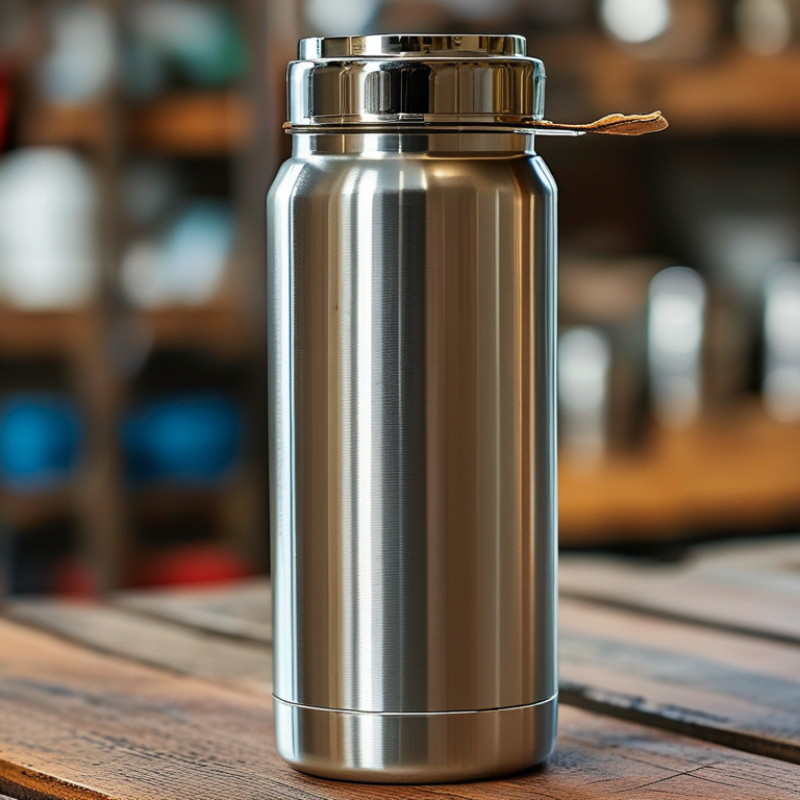
2026 Best Tumbler Pictures for Wholesale Buyers?
Wholesale buyers need more than attractive tumbler pictures in 2026. They need clear evidence of function, sizing, and production quality. A useful product image should show the lid seal, straw opening, handle shape, base, and surface finish. Small details often reveal larger manufacturing risks.
Double-wall stainless steel tumblers remain practical for hot and cold drinks. Common wholesale sizes include 20 and 30 ounces. Larger models attract attention, but they may increase shipping costs and packaging damage. Plastic tumblers can reduce weight and price. They may suit events, schools, and short-term promotions. Reusable options should include material details and food-contact documentation.
Check the lid carefully.
A leak-resistant lid is valuable, but “leakproof” should not be accepted without testing. Turn filled samples upside down, shake them, and leave them in a bag overnight. Inspect the silicone gasket for gaps. Test the sliding cover repeatedly. I have found that a smooth powder-coated surface can look excellent in photos but feel uneven near the base. This is easy to miss.
Wholesale buyers should compare printed images with physical samples. Look for consistent color, clean logos, stable handles, and cartons that protect the rim. Features such as cup holders, interchangeable lids, straw covers, and stacking designs can improve retail appeal. However, extra parts may increase assembly errors. A simpler tumbler can sometimes deliver better reliability and fewer customer complaints.
2026 Best Tumbler Pictures for Wholesale Buyers?
For wholesale buyers, pictures should reveal materials, sizes, capacities, and lid designs clearly. Stainless steel remains a practical choice for daily tumblers. Food-grade 18/8 stainless steel offers durability and corrosion resistance. Plastic models usually weigh less and reduce shipping costs. However, material claims need supplier documentation, not attractive photography alone.
Grand View Research valued the global reusable water bottle market at about USD 9.67 billion in 2023. Its report also projects a 4.4% compound annual growth rate from 2024 to 2030. Definitions vary, so this figure does not represent tumblers alone. Still, it signals continuing demand for reusable drinkware. Popular wholesale capacities range from 12 to 40 ounces. Smaller cups suit desks and children. Larger 30-ounce or 40-ounce formats serve commuting and outdoor use. Lid details matter more than many buyers expect. Show straw lids, flip lids, sliding covers, and handle designs from several angles. Include seal areas. Include the base.
Tips: Request real samples before placing volume orders. Test leakage after repeated opening and closing. Check the lid’s silicone gasket, thread fit, and drinking opening. Ask for temperature-use guidance and migration-test documents. A glossy finish may hide scratches. A perfect tumbler does not exist. I would compare weight, balance, cleaning access, and packaging space together. That small review often prevents expensive mistakes.
Wholesale comparison guide covering common tumbler formats, practical capacity ranges, materials, insulation performance, and lid configurations.
| Tumbler Format | Typical Capacity | Approx. Height | Key Material | Insulation & Wall | Common Lid Design | Best Wholesale Use |
|---|---|---|---|---|---|---|
| Slim Travel Tumbler | 12–16 fl oz 355–473 ml |
6.3–7.5 in 16–19 cm |
Food-grade 18/8 stainless steel body; BPA-free polypropylene lid | Usually double-wall vacuum insulated; suitable for hot and cold beverages | Slide-open sipping lid, often with a silicone gasket; some versions include a reusable straw opening | Office gifts, commuting, café programs, and compact retail displays |
| Standard Travel Tumbler | 20–24 fl oz 591–710 ml |
7.0–8.5 in 18–22 cm |
18/8 or 18/10 stainless steel; polypropylene or Tritan-style lid components | Double-wall vacuum construction; commonly designed to fit many vehicle cup holders | Slider lid, flip-top lid, or straw-compatible lid with removable silicone seal | Corporate merchandise, outdoor activities, daily hydration, and travel retail |
| Large Commuter Tumbler | 30–32 fl oz 887–946 ml |
8.0–9.5 in 20–24 cm |
Food-grade stainless steel with powder-coated or polished exterior | Double-wall vacuum insulation; larger body may fit only wider cup holders | Leak-resistant slider lid or flip lid; wide straw port is common for iced drinks | Fitness promotions, long commutes, events, and high-volume hydration programs |
| Handled Quencher Tumbler | 30–40 fl oz 887–1,183 ml |
9.0–11.0 in 23–28 cm |
18/8 stainless steel; polypropylene handle and lid; silicone grip details | Typically double-wall vacuum insulated; large diameter improves stability but reduces cup-holder compatibility | Rotating or dual-position lid with straw opening, sip opening, and silicone stopper | Sports, wellness campaigns, campus merchandise, and lifestyle retail |
| Straight-Sided Bottle Tumbler | 16–24 fl oz 473–710 ml |
8.0–10.0 in 20–25 cm |
Stainless steel or BPA-free Tritan-style plastic for lightweight versions | Available as single-wall or double-wall; vacuum versions provide stronger temperature retention | Screw-top, push-button, or leak-resistant flip lid with carry loop | Travel, hospitality, promotional kits, and lightweight shipping programs |
| Glass-Lined Tumbler | 12–20 fl oz 355–591 ml |
6.5–8.5 in 17–22 cm |
Borosilicate glass inner vessel with protective silicone sleeve or stainless-steel exterior | Often single-wall or insulated with an air gap; glass is odor- and stain-resistant but more fragile | Screw-on or press-fit lid with silicone seal; straw use depends on lid opening | Tea, wellness, premium gifting, and customers prioritizing neutral taste |
| Ceramic-Coated Tumbler | 12–16 fl oz 355–473 ml |
6.5–8.0 in 17–20 cm |
Stainless-steel core with ceramic interior coating and BPA-free lid | Usually double-wall insulated; ceramic coating helps reduce metallic taste and odor retention | Slide lid or sip-through lid with silicone gasket; generally not fully leakproof | Coffee programs, premium office gifts, cafés, and promotional bundles |
| Cold Drink Straw Tumbler | 20–40 fl oz 591–1,183 ml |
8.0–11.0 in 20–28 cm |
Stainless steel body with polypropylene lid, silicone straw tip, and reusable straw | Double-wall vacuum insulation is common; optimized for iced beverages | Wide straw port, flip cover, removable straw, and silicone sealing plug | Summer campaigns, beverage promotions, gyms, festivals, and social-commerce collections |
| Stackable Café Tumbler | 8–16 fl oz 237–473 ml |
4.5–7.0 in 11–18 cm |
Stainless steel, polypropylene, or reusable food-grade plastic | Often single-wall or compact double-wall to preserve stackability and reduce storage volume | Simple press-fit lid, sip lid, or slide lid; usually splash-resistant rather than leakproof | Cafés, hotels, event catering, office pantries, and space-efficient warehouse storage |
2026 Best Tumbler Pictures for Wholesale Buyers
A polished photo proves very little. Wholesale buyers should request close images of the rim, lid seal, weld points, and inner coating. The surface should look even, without pinholes, sharp edges, or cloudy patches. A practical test is simple: fill the tumbler, close it, and turn it upside down for ten minutes. Check the thread and gasket afterward. Small leaks become expensive returns.
Material claims need evidence. Ask for food-contact compliance documents, migration-test results, and the exact steel or plastic grade. FDA food-contact requirements and NSF/ANSI 51 provide useful reference points for material safety. The 2024 Grand View Research report estimated the global reusable water bottle market at more than 8 billion U.S. dollars, showing strong demand but not guaranteed quality. Demand can hide shortcuts. Do not rely on a certificate photo alone; verify its laboratory, test scope, and date.
Durability needs numbers. Request cycle-test results for lids, vacuum insulation, coating adhesion, and dishwasher exposure. A tumbler that keeps liquid hot for six hours may still fail after repeated drops. ASTM methods can help structure impact and coating checks, although they may not represent every buyer’s use. Factory pictures often omit scratches and uneven printing. Ask for unedited samples. My own evaluation standard would be stricter: inspect ten units, not one. Even then, defects can escape. That is the uncomfortable part.
How to evaluate tumbler quality, safety, and durability using a practical wholesale inspection score.
Evaluation guide: Prioritize food-contact material safety and leak resistance before appearance. Thermal performance, drop durability, and finish quality help confirm whether a tumbler can withstand regular commercial use and reduce return rates.
For wholesale buyers, attractive tumbler pictures must show more than color and shape. Include lid structure, handle strength, base diameter, capacity, and surface finish. Grand View Research valued the global reusable water bottle market at about USD 9.67 billion in 2023. Its forecast suggests steady growth through 2030. This growth creates opportunity, but crowded catalogs make clear product evidence essential. Show a hand-held image, a desk scene, and a close-up of logo placement. Customization should specify print area, decoration method, color references, and sample approval. A beautiful mockup can still fail during mass production.
Packaging also affects landed cost and customer experience. McKinsey’s 2023 packaging research reported that 60% to 70% of surveyed consumers would pay more for sustainable packaging. Buyers should request carton dimensions, inner protection, material details, and packaging photos before ordering. Avoid vague terms such as “eco-friendly.” Ask for measurable claims and supporting documents. Order requirements should cover minimum order quantity, sample fees, production time, inspection standards, spare-unit policy, and shipping marks. These details feel slow. They prevent expensive surprises.
Tips: Request one physical sample before approving bulk production. Compare the printed logo under warm and cool light. Test the lid for leakage and fit. Keep a written tolerance for color, scratches, and logo position. Do not rely on pictures alone; they often hide packaging damage and finish inconsistencies.
For 2026 tumbler sourcing, wholesale price depends on steel grade, capacity, lid design, coating, and decoration. A basic 20-ounce stainless-steel model may cost about US$3–6 at factory level. Double-wall insulation, handles, and custom packaging can raise the price to US$7–12.
The global reusable water bottle market was valued at approximately US$8.9 billion in 2023, according to Fortune Business Insights. That growth supports demand, but it does not guarantee healthy margins.
Minimum order quantities often range from 100 to 1,000 pieces. Simple colors usually allow smaller orders. Custom molds and printed artwork may require larger commitments.
Ask suppliers for sample fees, production time, carton dimensions, and replacement policies. Also request a written quotation with shipping terms.
Small details matter. A low unit price can hide expensive packaging or freight charges.
Supplier selection should include material certificates, leak testing, coating durability, and production photos. The U.S. Consumer Product Safety Commission reports that consumer products require careful traceability and hazard controls. This makes documentation essential, even for ordinary drinkware.
I once underestimated color consistency across batches; the result looked uneven on arrival.
Therefore, approve a physical sample and define acceptable defects before payment. Reports from Grand View Research also identify customization and reusable-product demand as major market drivers.
Still, forecasts are not purchase guarantees. Test demand with a smaller order when cash flow is limited.